Packaging Machinery Insights & Knowledge Hub
Knowledge Center

Packaging Machinery Blog & Insights

Expert technical guides, machine buying advice, cost analysis, and industrial updates.
Stick Pack and Sachet Machine Articles
Buyer Guides

Comprehensive Machinery Purchasing Guides

VFFS and Sachet Machine Technology
Industry News

Packaging Automation Trends & Innovations

Blog

How to Choose a Stick Pack Packaging Machine in 2026?

How to Choose a Stick Pack Packaging Machine in 2026?

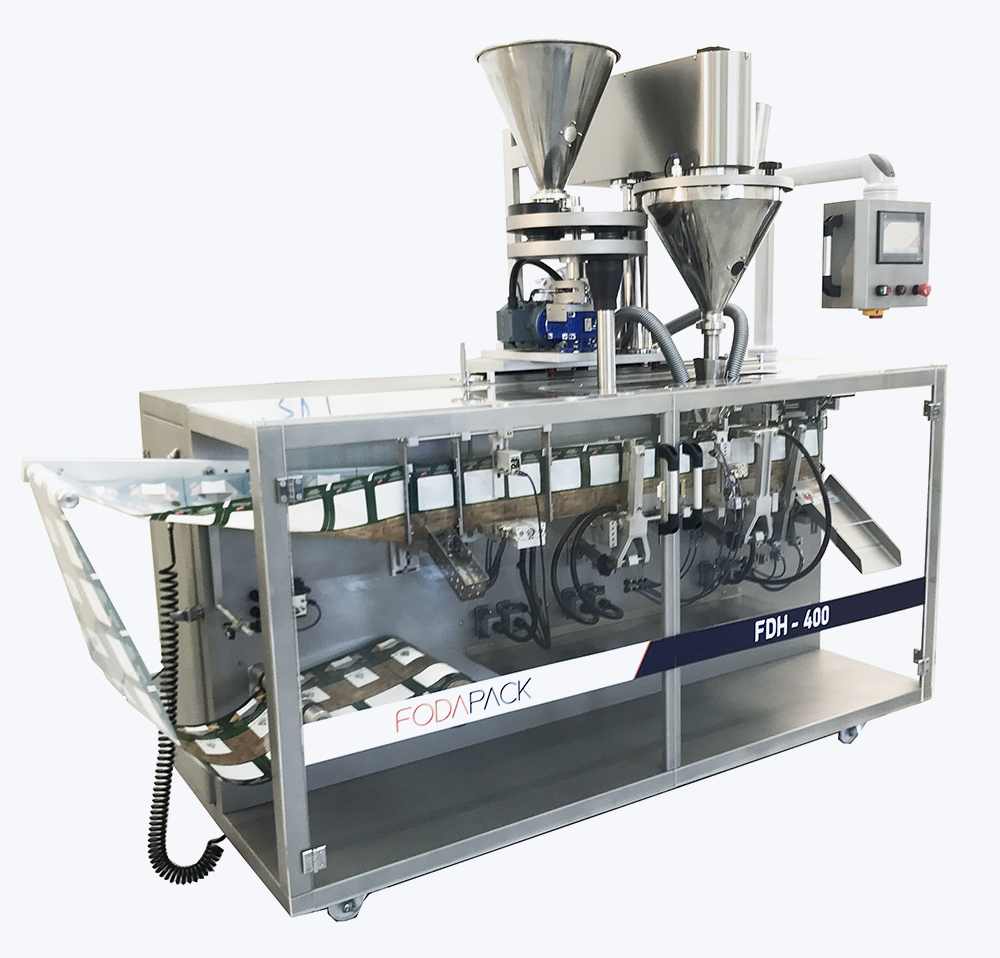
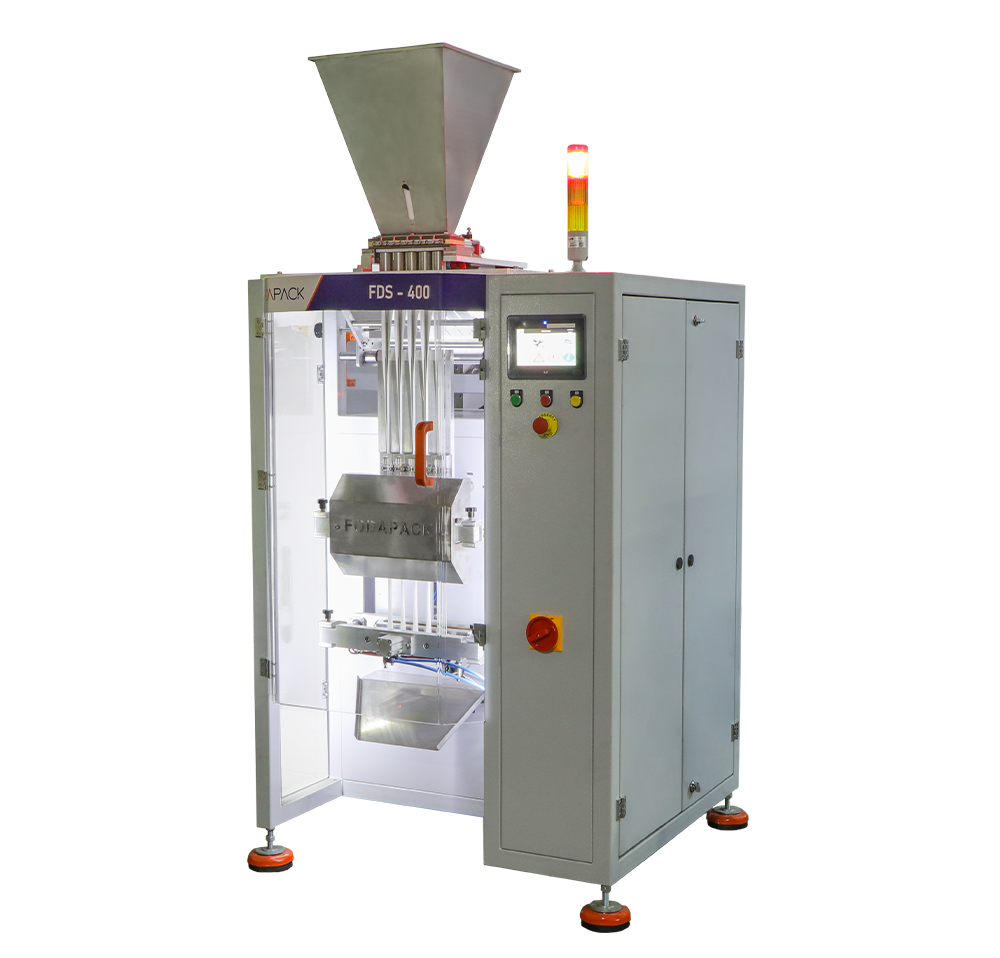
Choosing a Stick Pack Packaging Machine in 2026 requires more than comparing speed, price, or supplier reputation. The correct decision must connect product texture, fill weight, film structure, sealing performance, cleaning time, and future production changes. A fine powder behaves differently from granules or liquid supplements. Small errors can create leaking seals, inconsistent doses, and expensive product waste. Industry data shows why this decision deserves careful attention. PMMI’s 2024 State of the Industry report identified automation, labor shortages, digital monitoring, and flexible equipment as major packaging priorities. Smithers also forecasts continued growth in global flexible packaging demand through the decade. These reports do not guarantee every market prediction. They offer useful direction, but machine buyers still need factory trials and verified performance data. Jorge Izquierdo, Vice President of Market Development at PMMI, has emphasized that “automation is becoming essential for packaging operations facing labor challenges.” That observation matters on a stick pack line. Operators may monitor film alignment, temperature curves, auger dosing, and rejected sachets through one control interface. However, automation is not a substitute for sound engineering. A fast machine with poor changeover access can become a daily bottleneck. A cheaper system may also cost more after repeated seal failures. This guide examines practical selection criteria for 2026. It considers speed, accuracy, material compatibility, hygiene, maintenance, integration, and total cost of ownership. Some recommendations may not suit every factory. That is the uncomfortable part. The best Stick Pack Packaging Machine is the one that performs reliably under your actual product, film, climate, and production schedule.
Read more »
Ethan By:Ethan - September 9, 2026
7 Best Wet Wipe Sachet Packaging Machines for Global Buyers

7 Best Wet Wipe Sachet Packaging Machines for Global Buyers

Global demand for convenient, hygienic wipes continues to influence packaging investment. Grand View Research valued the global wet wipes market at approximately USD 23.63 billion in 2023. Its report also projects continued growth through 2030. Smithers’ “The Future of Global Wet Wipes to 2029” identifies personal care, healthcare, and household applications as important growth areas. These figures suggest strong opportunities for reliable sachet production. They do not guarantee success for every buyer. This guide examines seven leading Wet Wipe Sachet Packaging Machine options for international purchasers. The comparison considers sealing consistency, dosing accuracy, film compatibility, production speed, changeover time, and after-sales support. It also considers practical details. Operators need clear touchscreen controls, accessible cleaning areas, and stable performance during long shifts. A machine may advertise 120 sachets per minute. Yet real output can fall when wetness, material thickness, or format changes. Jorge Izquierdo, PMMI’s vice president of market development, has emphasized that automation should improve productivity, quality, and safety, rather than simply increase speed. That principle remains useful here. The most expensive machine is not always the best fit. A compact model may suit a regional producer better than a high-output line. Buyers should request factory acceptance tests, sample sachets, utility requirements, and documented service response times. Those checks reveal weaknesses that brochures often hide. This ranking is therefore practical, not absolute. Local regulations, approved wipe formulations, and packaging-recycling requirements can change the final decision. Mistakes are possible, especially when specifications appear comparable. Careful validation remains essential.
Read more »
Olivia By:Olivia - September 9, 2026
2026 Best 4 Side Seal Sachet Packaging Machine Buying Guide

2026 Best 4 Side Seal Sachet Packaging Machine Buying Guide

Choosing the right 4 Side Seal Sachet Packaging Machine can shape production speed, product protection, and daily operating costs in 2026. This guide introduces the practical factors buyers should examine before signing a purchase agreement. It focuses on real packaging conditions, not only attractive catalogue figures. A modern machine may produce neat sachets with four sealed edges, accurate filling, and stable film tracking. Yet performance depends on material thickness, powder flow, liquid viscosity, seal temperature, and required sachet dimensions. A machine running smoothly during a short demonstration may behave differently after eight hours of continuous production. That matters. Reliable evaluation should include sealing strength, dosing accuracy, changeover time, cleaning access, electrical requirements, and spare-parts support. Ask suppliers for test samples using your actual product and packaging film. Inspect the seals closely. Wrinkles, weak corners, or inconsistent fill levels can reveal problems early. Operators also need clear controls, safe guarding, and practical maintenance instructions. Experienced manufacturers should explain tolerance ranges instead of promising perfect results. No machine is perfect. Buyers should question impressive speed claims when they exclude setup, cleaning, or rejected sachets. This 2026 buying guide compares essential machine features, suitable applications, supplier qualifications, and long-term ownership concerns. It also considers installation training and after-sales response, because a production stoppage can quickly become expensive. Some recommendations may require adjustment as technology and packaging materials develop. Careful testing remains more dependable than assumptions.
Read more »
Olivia By:Olivia - September 9, 2026