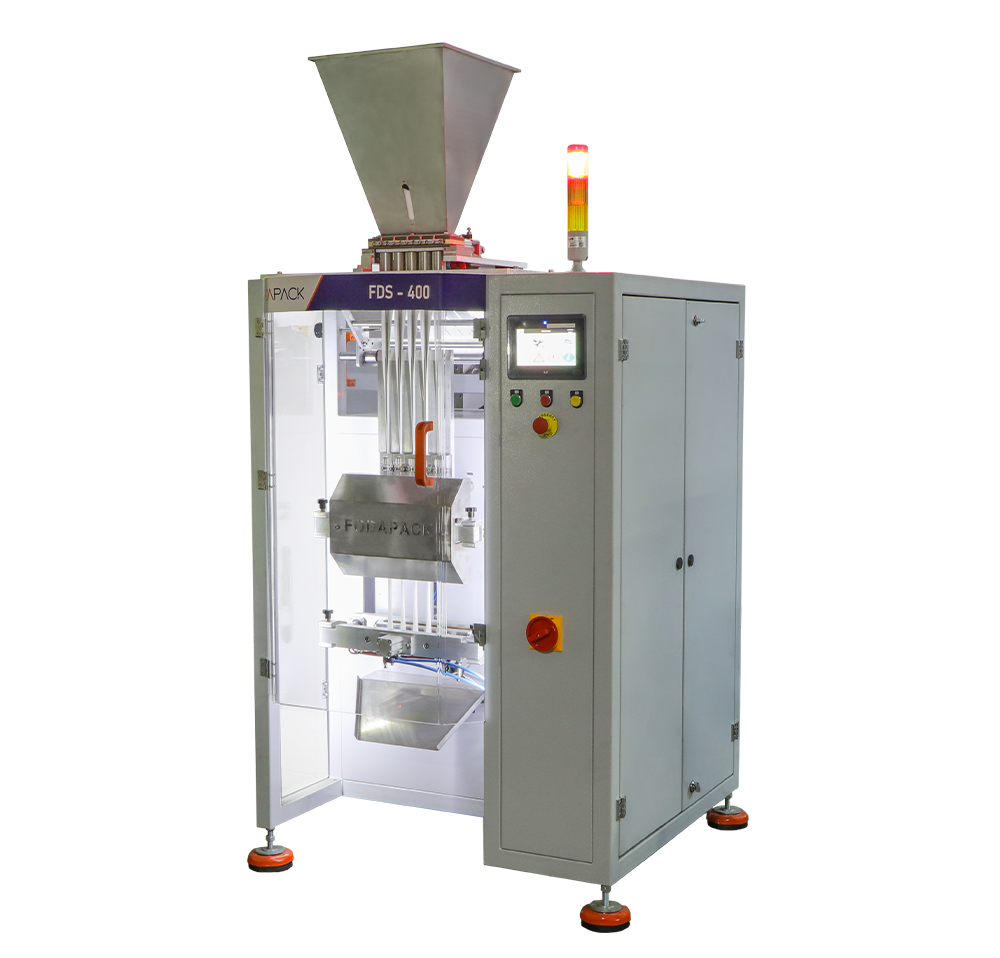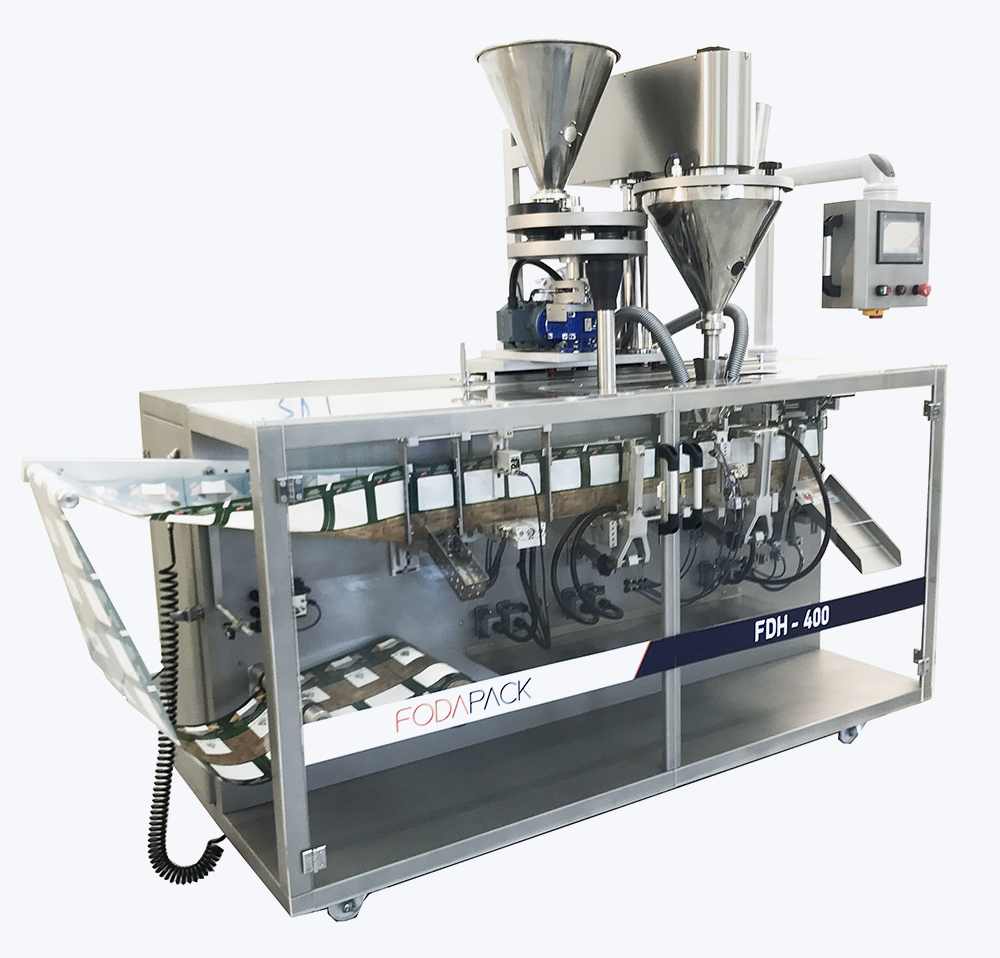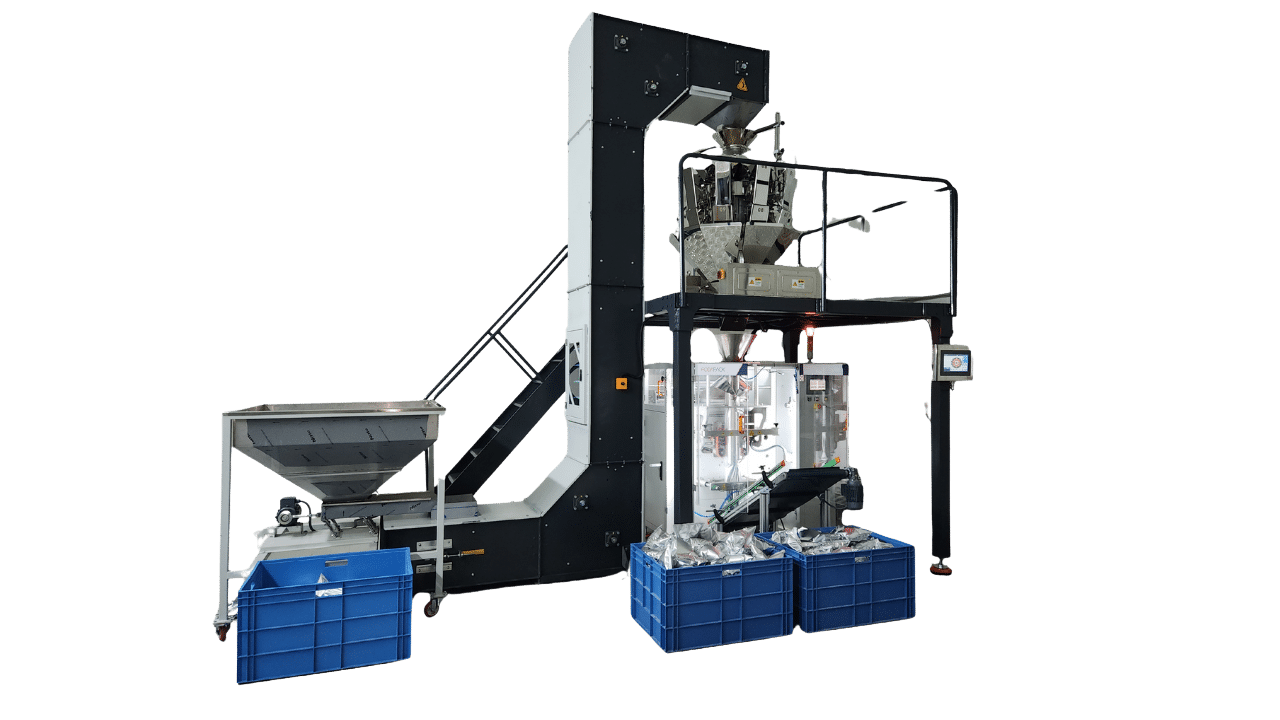
Choosing the right 4 Side Seal Sachet Packaging Machine can shape production speed, product protection, and daily operating costs in 2026. This guide introduces the practical factors buyers should examine before signing a purchase agreement. It focuses on real packaging conditions, not only attractive catalogue figures.
A modern machine may produce neat sachets with four sealed edges, accurate filling, and stable film tracking. Yet performance depends on material thickness, powder flow, liquid viscosity, seal temperature, and required sachet dimensions. A machine running smoothly during a short demonstration may behave differently after eight hours of continuous production. That matters.
Reliable evaluation should include sealing strength, dosing accuracy, changeover time, cleaning access, electrical requirements, and spare-parts support. Ask suppliers for test samples using your actual product and packaging film. Inspect the seals closely. Wrinkles, weak corners, or inconsistent fill levels can reveal problems early.
Operators also need clear controls, safe guarding, and practical maintenance instructions. Experienced manufacturers should explain tolerance ranges instead of promising perfect results. No machine is perfect. Buyers should question impressive speed claims when they exclude setup, cleaning, or rejected sachets.
This 2026 buying guide compares essential machine features, suitable applications, supplier qualifications, and long-term ownership concerns. It also considers installation training and after-sales response, because a production stoppage can quickly become expensive. Some recommendations may require adjustment as technology and packaging materials develop. Careful testing remains more dependable than assumptions.
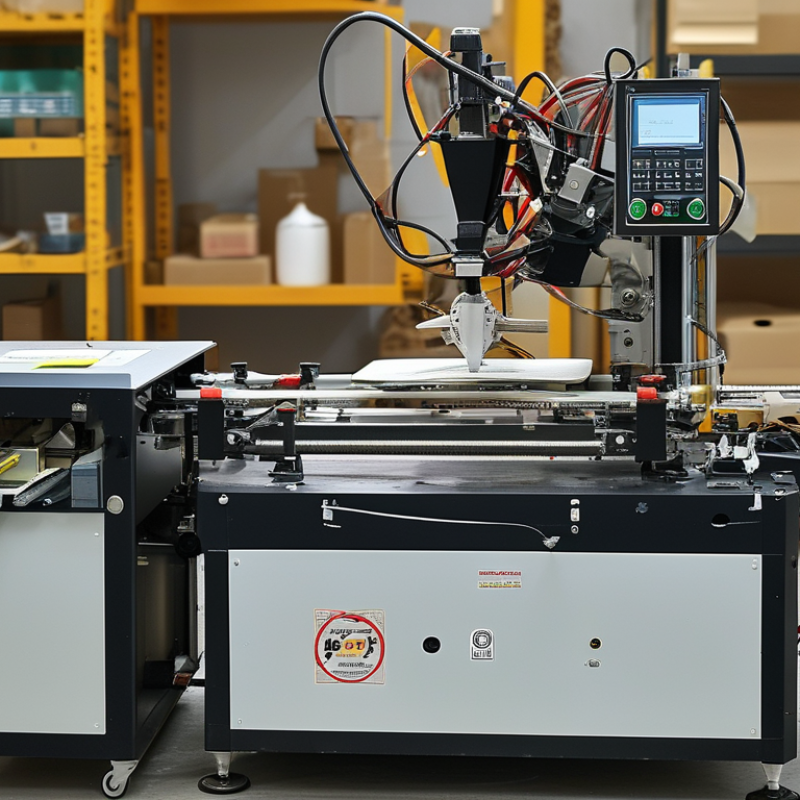
A 4-side seal sachet packaging machine creates small, flat pouches sealed on all four edges. It forms the pouch from a roll of heat-sealable film. Then, it doses the product, seals the top and bottom, and cuts each sachet. The side seals usually come from longitudinal sealing jaws. This structure protects powders, liquids, and small portions from dust and moisture.
The machine combines film unwinding, registration control, dosing, temperature control, sealing, and cutting. A photoelectric sensor follows printed marks on the film. That detail matters. Without accurate registration, logos and tear notches may shift noticeably. According to Smithers’ flexible packaging forecasts, global demand is expected to keep growing through 2029, supported by lightweight and portion-sized formats. Grand View Research also reports continued expansion in single-use sachet packaging, with food, personal care, and household products among important applications.
From practical testing, seal quality depends on more than machine speed. Film structure, jaw pressure, dwell time, and product contamination all matter. A faster setting may reduce stability. It can also create weak corners. PMMI industry reports repeatedly identify automation, waste reduction, and flexible format changes as key packaging equipment priorities. Buyers should therefore check actual seal strength, dosing accuracy, film waste, and changeover time. Ask for test data using your own product. Laboratory results alone can mislead. A machine may perform well with dry powder but struggle with oily or sticky materials. That difference deserves careful review.
2026 Best 4 Side Seal Sachet Packaging Machine Buying Guide
A four-side seal sachet machine creates a sealed pouch through a controlled film-forming process. First, a driven unwinder feeds laminated film at a stable speed. Sensors read printed registration marks. A dosing system then delivers powder, granules, or liquid into each forming pocket. Vertical sealing creates the side edges. Heated cross-sealing jaws close the top and bottom. A cutter separates each sachet with a clean edge.
The process looks simple, but small errors become expensive quickly. Uneven film tension can shift the artwork. Excessive heat may wrinkle the seal. Insufficient pressure may cause leakage. PMMI’s U.S. Packaging Machinery Shipments Report placed 2023 shipments at approximately 10.3 billion dollars, showing strong investment in automated packaging equipment. Smithers’ flexible packaging research also forecasts continued market growth through 2028. These figures support automation, but they do not guarantee good output. Film structure, sealant layers, dosing accuracy, and operator training still matter. I would not choose a machine from speed alone. A faster line can create more waste when calibration is weak.
Tips: Request a factory test with your actual film and product. Check seal strength, sachet weight variation, reject rates, and changeover time. Ask for recorded data, not only catalog claims. Keep in mind that the ideal machine on paper may perform differently during humid days, dusty production, or frequent product changes.
When buying a four-side seal sachet packaging machine, compare output with real production needs. Smithers’ report, The Future of Global Flexible Packaging to 2028, forecasts steady annual growth of about 3%. That pressure favors reliable equipment, not simply faster equipment. Check rated speed, actual speed, and reject rates using your target film and product. A machine claiming 120 sachets per minute may deliver less after filling, sealing, and changeovers.
Seal control deserves close attention. Independent temperature zones, stable jaw pressure, and servo-driven film feeding reduce leaking edges and uneven sachets. Ask for test runs with your thinnest and thickest materials. Flexible packaging remains highly important, while PMMI industry reports continue to identify automation, labor efficiency, and machine data as major investment drivers. Choose a PLC with clear alarms, production records, and remote diagnostic capability. Stainless-steel contact areas, tool-free cleaning, and safe access also matter in daily operation. Small details become expensive later.
Tips: Request a factory acceptance test with your actual film. Measure seal strength, weight variation, changeover time, and compressed-air use. Also inspect the reject system. It should remove defective sachets without stopping the line. A perfect specification sheet is not enough; I have seen impressive machines struggle with dusty products and unstable film. Leave room for maintenance access, spare parts, and operator training. The cheapest purchase can become the slowest investment.
| Comparison Dimension | Compact Intermittent Machine | Standard Intermittent Machine | Continuous-Motion Machine | Multi-Lane High-Output Machine |
|---|---|---|---|---|
| Application and Production Profile | ||||
| Best suited for | Small production runs, product trials, seasonal products and multiple sachet sizes | General-purpose production of powders, granules, liquids and pastes | High-volume production where consistent output and reduced indexing time are priorities | Large-volume production of standardized products with limited format changes |
| Typical lane configuration | 1 lane | 1 lane | 1 lane | 2–10 lanes, depending on sachet width, product and machine design |
| Typical output range | 30–70 sachets/min | 40–100 sachets/min | 80–160 sachets/min | 150–600 sachets/min across all lanes |
| Recommended operating pattern | Short to medium runs | Medium runs with regular product changes | Long, stable production runs | Long runs with high daily volume |
| Sachet Format and Packaging Material | ||||
| Sachet construction | Four-side-sealed sachets made from roll-fed heat-sealable web material | |||
| Typical sachet width | 30–120 mm | 40–150 mm | 40–180 mm | 20–120 mm per lane |
| Typical sachet length | 40–180 mm | 50–220 mm | 50–250 mm | 30–180 mm per lane |
| Common film structures | Heat-sealable laminated films such as PET/PE, BOPP/PE, paper/PE, metallized laminate and other structures validated for the product | |||
| Film thickness | Approximately 50–120 microns | Approximately 50–150 microns | Approximately 50–150 microns | Approximately 40–120 microns per the approved film specification |
| Film requirements | Stable web width, suitable coefficient of friction, adequate heat-seal range and sufficient tensile strength; final suitability must be confirmed through machine trials | |||
| Product and Dosing Compatibility | ||||
| Suitable product types | Powders, granules, liquids and low-viscosity pastes | Powders, granules, liquids, pastes and selected irregular pieces | Free-flowing powders, granules, liquids and pumpable pastes | High-volume powders, granules, liquids or pastes with a dedicated multi-lane dosing system |
| Common dosing systems | Auger, volumetric cup, pump or small weigh filler | Auger, multi-head or linear weigher, cup filler, piston pump or liquid pump | Servo auger, multi-head weigher, cup filler, piston pump or flowmeter | Multi-lane auger, multi-lane cup filler, multi-lane pump or synchronized weigh filler |
| Typical fill range | Approximately 0.2–100 g or ml, depending on the dosing unit | Approximately 0.5–250 g or ml, depending on the dosing unit | Approximately 1–500 g or ml, depending on the dosing unit | Approximately 0.1–200 g or ml per lane, depending on product and dosing system |
| Accuracy considerations | Usually about ±1–5% for volumetric dosing; product properties strongly affect results | Often about ±0.5–3% with a properly selected dosing system and stable product | Often about ±0.5–2% with controlled product flow and calibrated dosing equipment | Typically about ±0.5–3% per lane; the actual result depends on dosing technology and product consistency |
| Sealing, Control and Quality Features | ||||
| Sealing method | Heat sealing with independently adjustable longitudinal and transverse sealing temperature, pressure and dwell time | |||
| Temperature control | Digital PID control with temperature display | Independent PID control for sealing zones and alarm monitoring | Multi-zone PID control with recipe-based temperature settings | Independent control of common and lane-related sealing parameters where applicable |
| Film registration | Photoelectric mark sensor; manual or servo length adjustment | Photoelectric mark sensor with adjustable registration correction | High-response registration sensor with servo-driven film transport | Registration control for each web or lane group, depending on machine architecture |
| Recommended inspection options | Low-film sensor, no-product/no-seal function and basic seal inspection | Product-in-seal detection, film-splice detection, date-code verification and reject confirmation | Automatic seal inspection, checkweigher integration, metal detection and vision inspection | Multi-lane reject management, checkweighing, vision inspection and production data collection |
| Control interface | PLC with color touchscreen and stored settings | PLC and touchscreen with recipe management | PLC, servo control and touchscreen with electronic diagnostics | Central PLC/HMI with lane-level alarms, recipes and production monitoring |
| Utilities, Footprint and Maintenance | ||||
| Electrical supply | Commonly 220–240 V, single or three phase, 50/60 Hz | Commonly 220–240 V or 380–415 V, three phase, 50/60 Hz | Commonly 380–415 V, three phase, 50/60 Hz | Commonly 380–415 V, three phase, 50/60 Hz |
| Installed power | Approximately 2–5 kW | Approximately 3–8 kW | Approximately 5–15 kW | Approximately 8–30 kW, depending on lane count and dosing equipment |
| Compressed air requirement | Approximately 0.4–0.6 MPa; about 50–150 L/min when pneumatic devices are fitted | Approximately 0.5–0.7 MPa; about 100–250 L/min | Approximately 0.5–0.7 MPa; about 150–400 L/min | Approximately 0.5–0.7 MPa; about 300–1,000 L/min, depending on lane count |
| Approximate machine footprint | 0.8–1.5 m² | 1.2–2.5 m² | 2–4 m² | 4–12 m², excluding conveyors, hoppers and auxiliary equipment |
| Changeover requirements | Manual forming-collar and dosing-part adjustment; generally the simplest to change | Tool-less or quick-release parts are preferred for frequent changeovers | Servo recipes and guided adjustments reduce setup time during long production schedules | Changeover can be more complex because multiple lanes and dosing stations must be synchronized |
| Maintenance priorities | Seal jaws, film guides, temperature sensors, cutting blades and dosing components | Seal jaws, servo belts, sensors, dosing parts and pneumatic valves | Servo drives, registration system, seal assemblies, pumps or augers and lubrication points | All lane-specific dosing, sealing, registration and reject components require coordinated maintenance |
| Buying Decision Criteria | ||||
| Main advantage | Lower initial complexity and flexible small-batch operation | Balanced flexibility, output and investment for general production | Higher speed and stable performance during extended production runs | Maximum output per machine footprint when demand justifies multi-lane operation |
| Main limitation | Lower output and more dependence on operator setup | May require additional dosing modules for difficult products | Higher investment and less economical for frequent short runs | Higher capital cost, more complex sanitation and longer multi-lane changeovers |
| Best selection trigger | Choose when flexibility and low-to-medium demand are more important than maximum speed | Choose when one machine must handle several products and moderate production volumes | Choose when demand is predictable and the machine will run for long shifts | Choose when confirmed demand requires high output and products are standardized |
| Factory acceptance tests to request |
|
|||
| The performance figures above are typical planning ranges for 2026 equipment comparisons, not universal machine specifications. Actual speed, filling accuracy, utility consumption and sachet size depend on the product, film structure, dosing system, lane count, seal conditions and local electrical standards. Final values should be confirmed through a product-and-film trial before purchase. | ||||
For a 2026 purchase, choosing a side seal sachet machine starts with your product, not its advertised speed. During packaging trials, measure powder flow, granule size, moisture, and bulk density. A free-flowing salt behaves differently from sticky seasoning or liquid sauce. Test it. Product behavior determines the dosing system, film path, and sealing method. Check target sachet dimensions carefully. Four-side sealing requires accurate registration and steady film tension. If the pouch contains sharp particles, choose stronger laminate and wider seal margins. Small details matter.
Match machine output to real production conditions. Quoted cycles may assume ideal settings, skilled operators, and minimal cleaning. Ask for speeds at your fill weight, film width, and sealing temperature. Request a sample run using your material. Watch for leaking corners, wrinkled seals, dust near the jaws, and inconsistent fills. These signs reveal more than a brochure. Confirm changeover time and adjustment steps. Tool-free adjustment sounds useful, yet operators may still need special access tools. Do not ignore cleaning. Smooth contact surfaces and removable dosing parts reduce downtime.
Reliable selection also includes controls and technical support. The interface should record recipes, alarm history, and sealing temperature trends. Verify calibration procedures before signing an order. Ask about spare parts, maintenance training, and response times. A machine can be technically excellent but impractical when support is distant. I once approved a faster unit and underestimated cleaning time; the line lost hours each week. That mistake changed my checklist. Leave capacity margin, but avoid paying for unused complexity.
2026 Best 4 Side Seal Sachet Packaging Machine Buying Guide
Installation, Operation, and Maintenance Requirements
A four-side seal sachet machine needs a rigid, level floor and enough service space. Leave room around the sealing jaws, film holder, and electrical cabinet. An experienced technician should check grounding, compressed air quality, voltage, and emergency stops before startup. Moisture in the air line can damage pneumatic parts. This detail is often missed.
Thread the packaging film according to the machine diagram, keeping the web centered and tension stable. Confirm the forming path is clean. During operation, begin with conservative speed and approved temperature settings. Check seal width, pouch alignment, filling accuracy, and leakage from the first samples. Small wrinkles may indicate uneven tension, worn rollers, or incorrect pressure. Do not adjust several settings at once. That makes troubleshooting unclear.
Operators should record temperature, speed, product changeovers, and rejected sachets. Clean product contact areas after each shift, using materials suitable for the machine and product environment. Inspect sealing jaws, cutting blades, sensors, belts, and thermocouples regularly. Lubricate only approved points and follow the equipment manual. A weekly inspection is useful, but it is not universal; dusty rooms may require more frequent cleaning. Lock out power before servicing. Even careful teams occasionally overlook hidden film dust near sensors. That weakness deserves review.
: It forms flat sachets from heat-sealable film. It fills, seals, and cuts each sachet on all four edges. The package helps protect small portions from dust and moisture.
It can handle powders, liquids, and other small portions. Performance depends on product behavior. Dry powder may run smoothly, while oily or sticky material may cause problems.
A photoelectric sensor tracks printed marks on the film. It helps align logos, cuts, and tear notches. Poor registration can make each feature visibly shift.
Compare actual output, dosing accuracy, seal strength, reject rates, and film waste. Also review changeover time and compressed-air use. Rated speed alone can mislead.
Temperature, jaw pressure, sealing time, and film structure affect seal quality. Stable settings help prevent leaks and weak corners. Higher speed is not always better.
Request testing with your actual product and film. Measure seal strength, weight variation, waste, and changeover time. Laboratory results may not reflect daily production.
Stainless-steel contact areas support easier cleaning. Tool-free access can shorten routine maintenance. Leave space around the machine for repairs and inspection.
Clear alarms, production records, and remote diagnostic access can help operators. A reject system should remove defective sachets without stopping the line. That feature deserves practical testing.
No. A fast machine may produce more unstable seals or higher waste. A slower machine can perform better with difficult products. The cheapest purchase may become the slowest investment.
A 4 Side Seal Sachet Packaging Machine is designed to form, fill, and seal individual sachets with four secure sealed edges, providing reliable protection, clean presentation, and convenient handling. This type of equipment is suitable for a wide range of legal products, including powders, granules, liquids, and small-dose solid items. Before purchasing, buyers should understand how the machine unwinds packaging film, creates the sachet structure, measures the product, completes four-side sealing, cuts the finished packs, and manages quality control throughout the process.
The best machine depends on product characteristics, sachet size, filling accuracy, production speed, packaging material, and available workspace. Important features to compare include dosing technology, sealing temperature control, film compatibility, automation level, user-interface functions, safety systems, and changeover flexibility. Buyers should also evaluate installation conditions, operator training, cleaning procedures, spare-part access, and routine maintenance requirements. Choosing equipment that matches current production needs while allowing future adjustment can improve efficiency, reduce waste, and support consistent packaging performance over time.