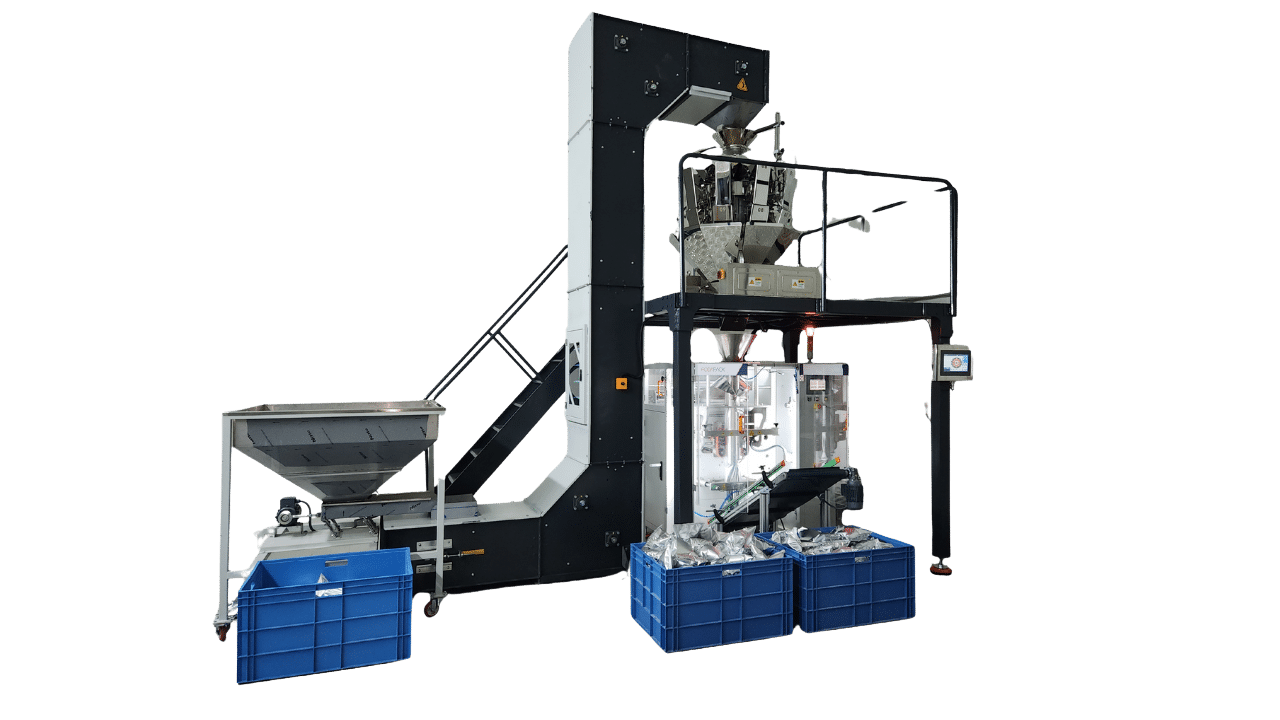
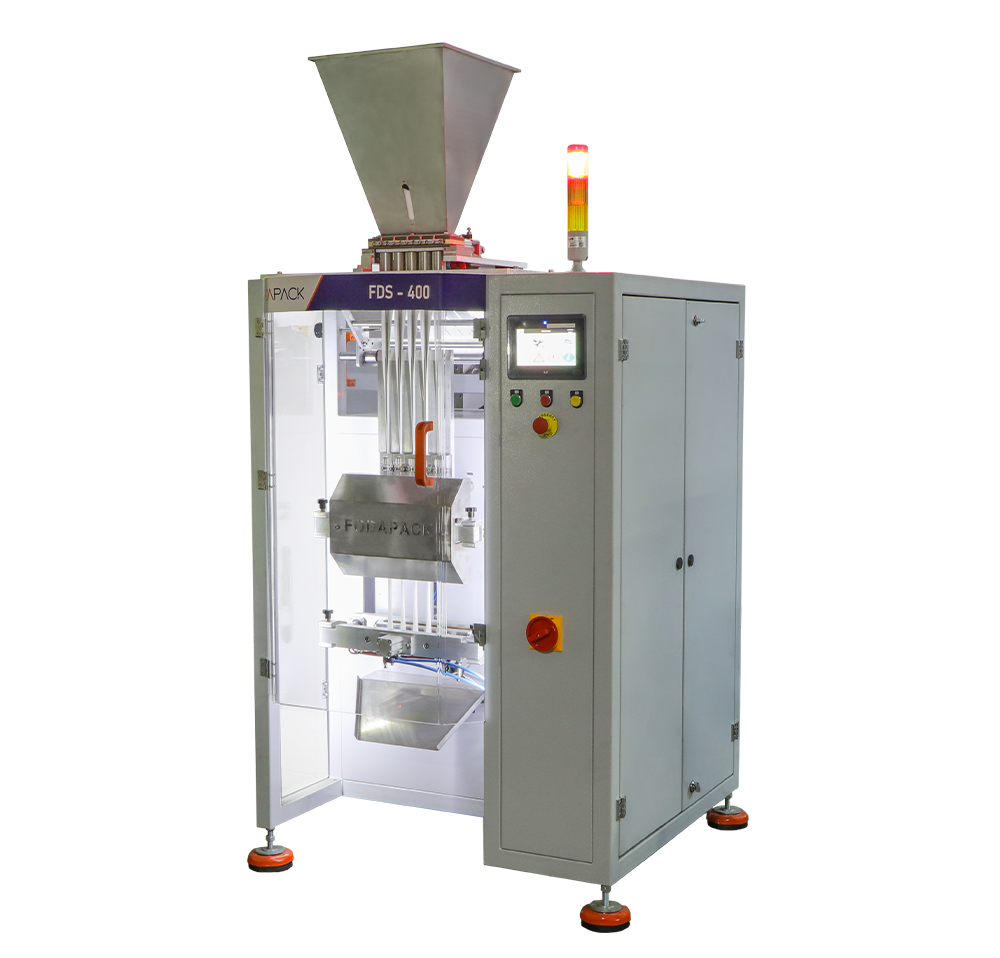
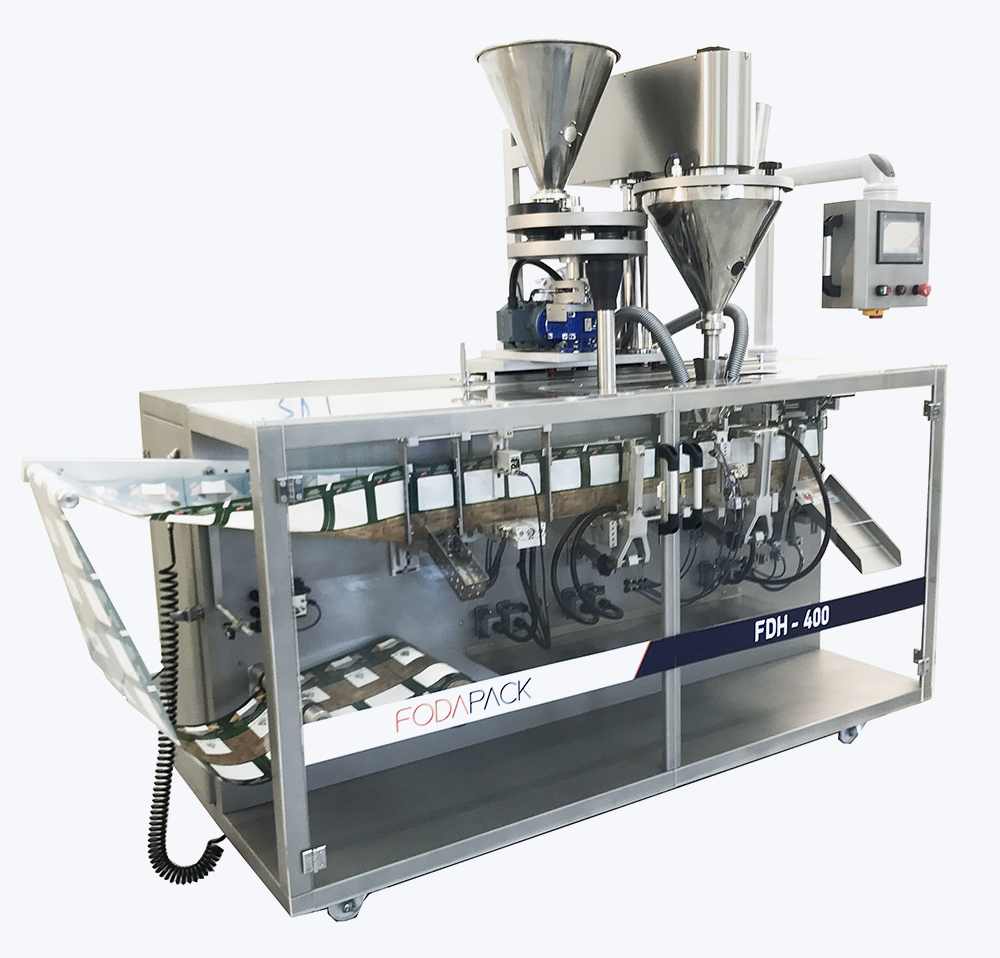
Choosing a Horizontal Flow Pack Machine in 2026 means matching real production needs to measurable machine capabilities—not simply comparing advertised speeds. PMMI’s 2024 State of the Industry report discusses automation, workforce challenges, and manufacturers’ investment priorities across packaging operations. These pressures make practical details matter: film changeover time, seal consistency, operator training, and access to service. A machine that runs quickly in a demonstration may behave differently when handling your actual product, film, and shift schedule.
Before comparing models, record your target output, package dimensions, product fragility, and expected format changes. Ask suppliers to test your product on the proposed machine. Watch the seals, inspect the finished packs, and time the changeover. Then check how clearly the supplier documents throughput, supported film types, and maintenance needs. Small details count. A cramped access panel or hard-to-source sealing component can disrupt a busy line.
One caution: industry reports describe broad trends; they cannot predict performance at your plant. I can’t verify a named Horizontal Flow Pack Machine specialist’s exact quotation from the information provided, so I won’t invent one. Treat supplier claims as claims until a documented trial supports them. A careful choice begins with evidence—and with a willingness to question impressive numbers.
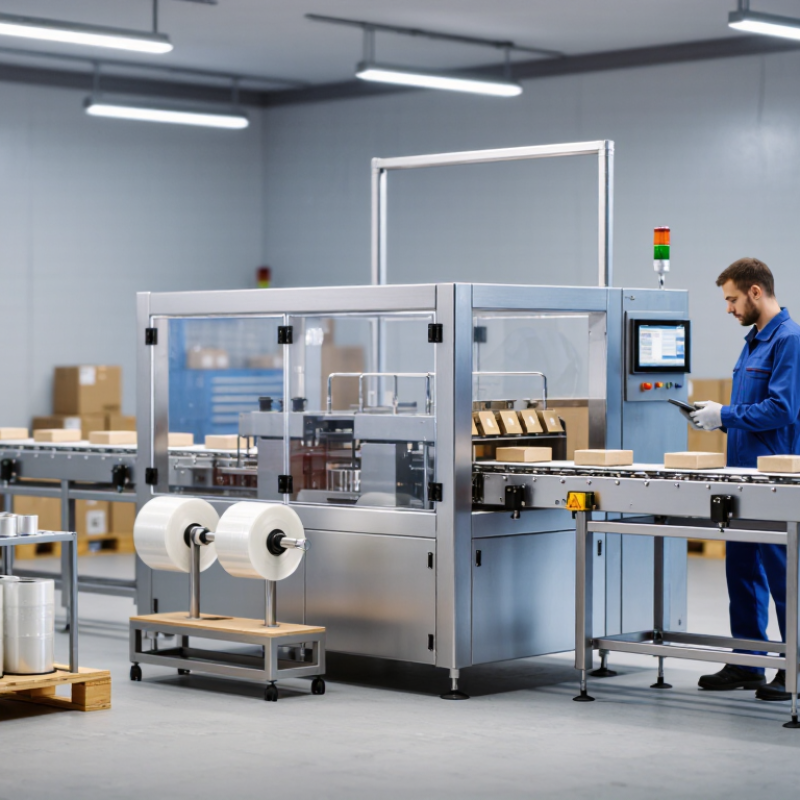
Define Product, Pack Size, and Required Output in Packs per Minute
Before comparing horizontal flow pack machines, define the product precisely. Record its length, width, height, weight, shape, and surface condition. A soft bakery item behaves differently from a rigid bar, even when both fit the same film width. Note whether products arrive individually or in a steady stream, and whether spacing changes during a shift. Small details matter. A crumbly edge or slippery coating can affect feeding, sealing, and reject rates.
Next, fix the pack size and required output in good packs per minute. Specify the finished pouch dimensions, seal style, date-code area, and film type. Then calculate demand from actual production: if a line must deliver 12,000 saleable packs over a 60-minute hour, its target is 200 good packs per minute—not merely a machine’s advertised maximum. Allow for changeovers, film splices, minor stoppages, and rejected packs. The PMMI report Packaging Machinery Shipments Forecast to Grow 4.7% in 2023 describes a growing equipment market, but market growth cannot determine your line speed. Your product trial can.
Ask suppliers to run your product using the intended film and pack dimensions. Measure sustained output across a realistic run, not just a brief demonstration. Check seal consistency and product alignment. Record the result. It may still be imperfect: one sample run cannot represent every shift, operator, or seasonal product variation. Use it as evidence, then leave room in the specification for real operating conditions.
Match Film Width, Roll Diameter, and Seal Type to the Product
Choosing a horizontal flow pack machine in 2026 starts with the package, not the machine’s maximum speed. Measure the product at its widest point, then allow room for the fin seal and end seals. A snack bar may need only a modest film width; a tray with raised edges needs more. Too little film can pull tight around corners. Too much can create loose, wrinkled packs. Small details matter.
Check roll diameter against the space available on the unwind stand and how often operators can change rolls. A larger roll can reduce changeovers during a long shift, but it may be heavier to load and harder to handle. Confirm the core size, maximum roll weight, and whether the machine can maintain steady film tension as the roll gets smaller. Ask for a trial with your actual film. Sample specifications do not always predict real behavior.
Seal type must suit both the product and its packaging material. Fin seals are common for pillow packs, while lap seals may create a flatter appearance, depending on the film. End seals need enough strength to contain the product without crushing it. Heat, pressure, and dwell time all affect the result. Test packs after cooling, and check for leaks or weak corners. Test it first. A rushed trial can miss problems that appear after hours of production, so leave time to adjust settings and repeat the test.
Compare Rated Speed with OEE: Availability × Performance × Quality
How to Choose a Horizontal Flow Pack Machine in 2026
A machine rated at 180 packs per minute may not deliver 180 saleable packs. Rated speed usually reflects ideal film, stable products, and uninterrupted operation. OEE provides a more realistic measure: Availability × Performance × Quality.
For example, 85% availability, 90% performance, and 98% quality produce only 134 saleable packs per minute from a 180-pack rating. The difference matters during production planning.
Ask for production records, not only brochure figures. Check hourly output, minor stops, film changes, rejected seals, and cleaning time. A machine may run quickly but lose fifteen minutes every hour through sensor adjustments. Watch the sealing jaws during a trial. Uneven product spacing, wrinkled film, or weak end seals can reduce quality without stopping the line. These details reveal more than a maximum-speed claim.
I have seen teams choose speed first and calculate labor later. That decision looked efficient, but frequent changeovers damaged the real output. A better evaluation uses your actual product, film, pack dimensions, and shift pattern. Test several runs, including the least stable product. Measure OEE by shift, not by one impressive trial. Be careful with the data. Manual counting can hide short stops and small defects, so independent verification is worthwhile. A slower machine with steady availability may outperform a faster machine that needs constant intervention.
Check Food-Contact Materials Against EU Regulation 1935/2004
When choosing a horizontal flow pack machine in 2026, inspect every food-contact surface, not only the main forming parts. EU Regulation 1935/2004 requires materials to avoid harmful migration, unacceptable taste, and odor changes. Stainless steel is common, but seals, belts, guides, coatings, and lubricants also need attention. Small parts matter.
Ask for a clear Declaration of Compliance for each contact material. It should match the intended food, temperature, contact time, and packaging process. Request migration test evidence where appropriate, especially for oily, acidic, or high-temperature products. Check whether the packaging film, ink, and adhesive are suitable for direct contact. Do not accept a general certificate without technical details.
Look closely at the machine during a cleaning trial. Are there narrow gaps near the sealing jaws? Can residue collect beneath the forming shoulder? Smooth welds and accessible surfaces reduce hygiene risks. Traceability records should identify material batches and replacement parts. A digital file is useful, but it does not replace physical inspection.
My checklist is not perfect. Suppliers may provide incomplete documents, and operators may overlook a replacement gasket. Build a review step into commissioning and maintenance. Confirm compliance again after changing films, lubricants, or contact components. Get independent testing when the application is unusual or the evidence seems vague.
Verify Machine Safety Under ISO 12100:2010 and IEC 60204-1:2016
How to Choose a Horizontal Flow Pack Machine in 2026
Safety verification should begin with ISO 12100:2010, not a sales brochure. The standard guides hazard identification, risk estimation, and risk reduction throughout machine design. Ask the supplier for the documented risk assessment. It should address sealing jaws, film rollers, cutting areas, hot surfaces, noise, cleaning, and unexpected startup.
Look closely at the machine during a practical inspection. Guards should prevent hand access to moving parts. Interlocked doors should stop hazardous motion when opened. Emergency-stop buttons must be visible, reachable, and tested under realistic operating conditions. Do not accept a button that only stops the conveyor while the sealing jaw still moves. That detail matters.
IEC 60204-1:2016 provides a useful framework for electrical safety. Check protective bonding, short-circuit protection, control-circuit design, cable identification, and enclosure protection. Request test records for insulation resistance, protective conductor continuity, and emergency-stop functions. The control panel should remain clean, labeled, and accessible for maintenance. Simple is safer.
I would also watch a full production cycle, including film changes and jam clearing. Operators often create risks that factory demonstrations hide. Ask what happens after power returns. Does the machine restart automatically? It should not. Documentation may look complete yet miss local installation conditions. Verify the final configuration with a qualified safety professional and your site’s applicable requirements.
How to Choose a Horizontal Flow Pack Machine in 2026
Verify machine safety against the current reference editions: ISO 12100:2010 for risk assessment and risk reduction, and IEC 60204-1:2016 for the electrical equipment of machines.
The chart shows the publication year of the two key safety standards used when evaluating a horizontal flow pack machine. During supplier selection, request documented risk assessments, safeguarding validation, emergency-stop verification, protective bonding checks, and electrical test records that correspond to the applicable standard.
FAQS
Check forming parts, seals, belts, guides, coatings, and lubricants. Small parts matter.
It should identify the material and match the food, temperature, contact time, and packaging process. A generic certificate may not be enough.
Request it for oily, acidic, or high-temperature products when appropriate. The details matter.
Look for narrow gaps near sealing jaws and residue beneath the forming shoulder. Smooth welds help.
Keep batch records for materials and replacement parts. Review compliance after changing films, lubricants, or contact components.
Ask for a documented risk assessment and electrical test records. Check that they cover the installed machine.
Inspect sealing jaws, film rollers, and cutting areas. Guards should block hand access, and interlocked doors should stop hazardous motion.
Test emergency stops during realistic operation. After power returns, the machine should not restart automatically.
Film changes and jam clearing can expose risks hidden by factory demonstrations. The checklist may still miss something, so verify the final setup.
Conclusion
Choosing the right Horizontal Flow Pack Machine starts with a clear definition of the product, package dimensions, sealing requirements, and target output in packs per minute. Product characteristics such as shape, fragility, temperature, and surface condition will influence the film width, roll diameter, feeding system, and suitable seal type. It is also important to confirm that the machine can accommodate the required packaging materials and pack sizes without frequent adjustments or production interruptions.
Rated speed alone does not determine real productivity. Evaluate expected OEE by considering availability, performance, and quality, including changeover time, maintenance, downtime, and reject rates. For food applications, verify that all product-contact materials comply with EU Regulation 1935/2004 and are suitable for the intended use. Finally, review the machine’s risk assessment and safety design against ISO 12100:2010 and IEC 60204-1:2016. A careful comparison of these factors will support reliable, efficient, and compliant equipment selection.