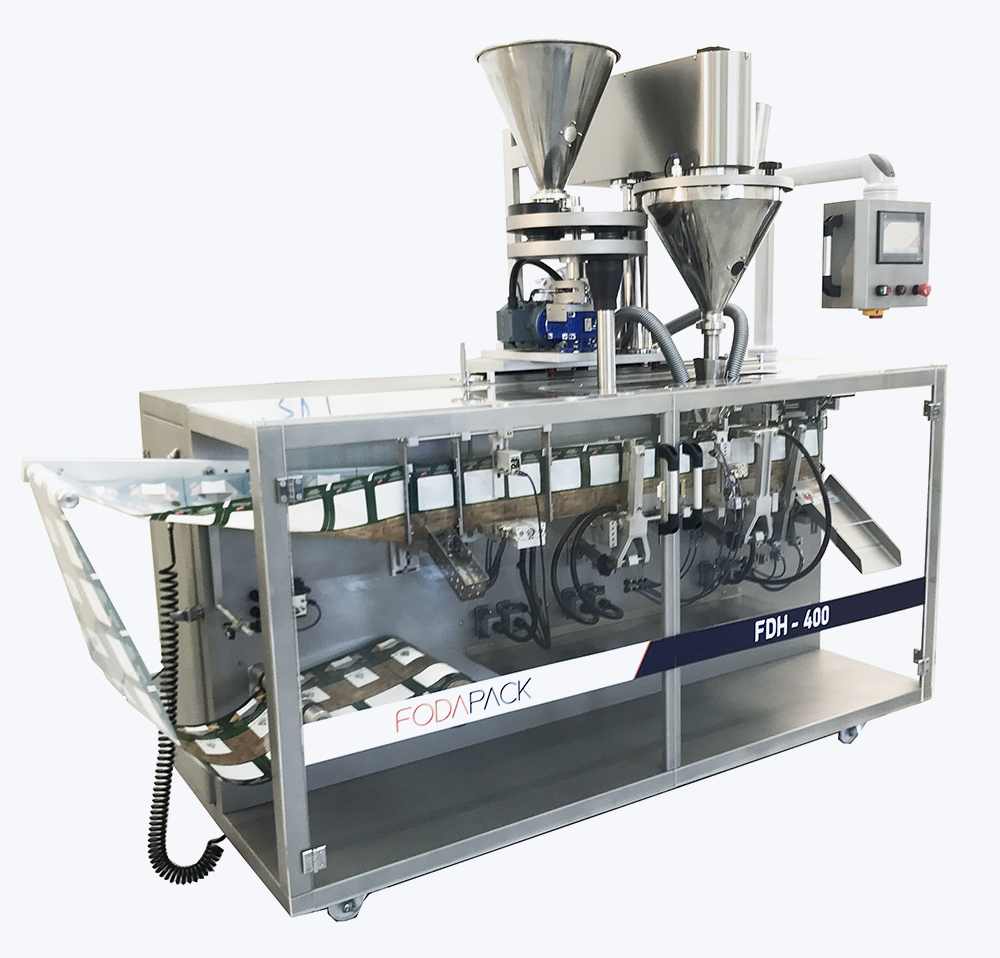
Packaging Machinery Insights & Knowledge Hub
Knowledge Center

Packaging Machinery Blog & Insights

Expert technical guides, machine buying advice, cost analysis, and industrial updates.
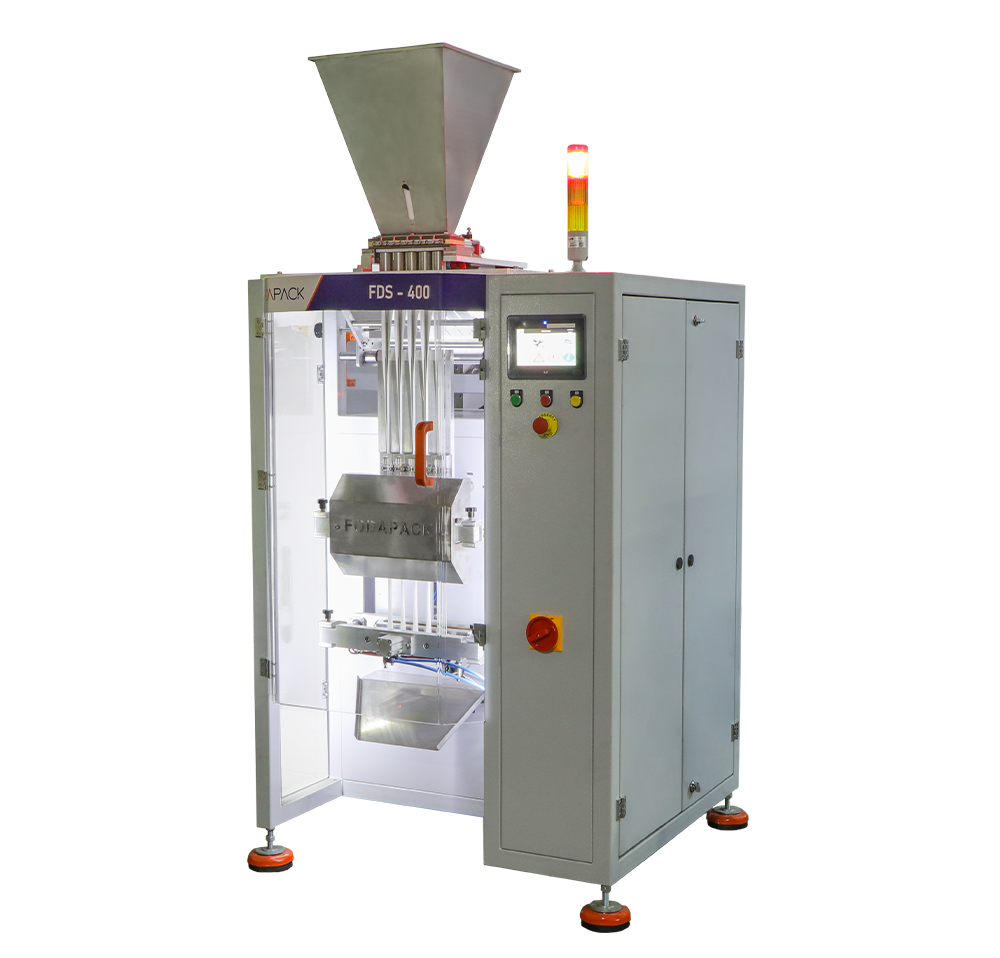
Stick Pack and Sachet Machine Articles
Buyer Guides

Comprehensive Machinery Purchasing Guides

VFFS and Sachet Machine Technology
Industry News

Packaging Automation Trends & Innovations

0%

Choosing the right Vertical Form Fill Seal VFFS Machine can reshape an entire packaging line. It affects speed, product protection, labor, and daily operating costs. In 2026, manufacturers face more choices than ever. Some machines promise impressive output. Others focus on accuracy, flexibility, or easier maintenance.

This guide reviews ten leading VFFS machines for different production environments. The comparison considers filling accuracy, sealing performance, film compatibility, changeover time, hygiene, controls, and technical support. These factors matter when a machine runs through thousands of bags each shift. A reliable system should handle real production pressure, not only perform well in a showroom. Small details can decide the result. A weak seal jaw, delayed sensor, or difficult cleaning routine may create costly interruptions.

Our assessment combines manufacturer specifications, practical packaging experience, and common operator concerns. We also consider how each machine performs with powders, granules, snacks, frozen products, and other applications. However, no machine is perfect for every factory. Product characteristics, bag dimensions, local service access, and budget can change the final choice. That part is easy to underestimate.

The ranking is therefore a practical reference, not an absolute verdict. Readers should confirm test results with their own materials before purchasing. Request sample runs. Check actual energy use. Ask how quickly replacement parts arrive. A careful decision today can prevent avoidable downtime tomorrow.
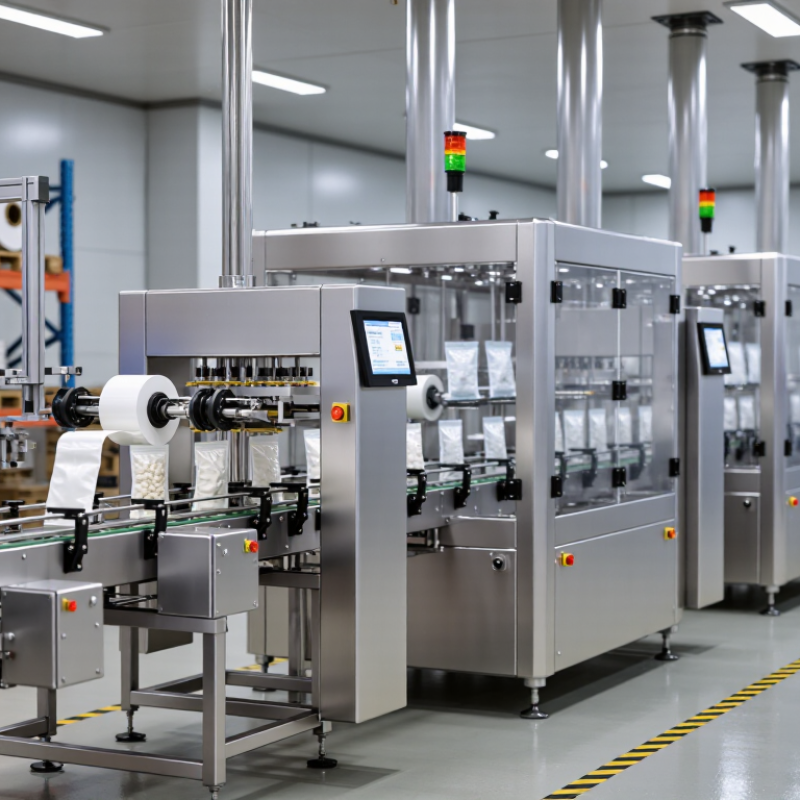
Top 10 Vertical Form Fill Seal VFFS Machines for 2026

What VFFS Machines Are and How They Work

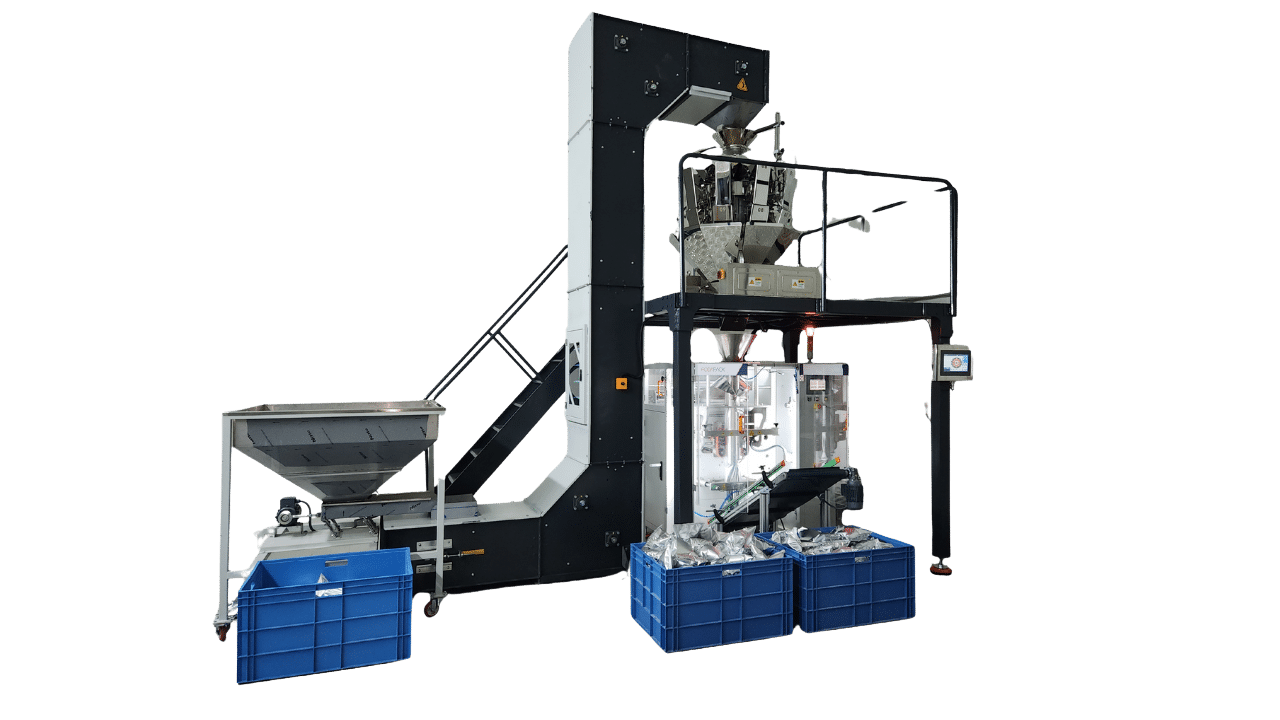
Top 10 Vertical Form Fill Seal VFFS Machines for 2026

Vertical Form Fill Seal, or VFFS, machines create bags from a continuous roll of flexible film. They form, fill, and seal each package in a vertical sequence. This compact design suits powders, grains, snacks, and other measured products.

The film unwinds around a forming collar, which shapes it into a tube. A vertical sealing unit closes the back seam. A dosing system then drops a measured product into the tube. Finally, heated jaws create the top seal and bottom seal before a knife separates the bag. Sensors track film marks, while a programmable controller coordinates timing, temperature, and motion.

Small details affect real performance. Seal temperature must match the film structure. Excessive heat can distort the package, while insufficient heat may cause leaks. Product dust can also weaken seals. Operators should check seal strength, fill accuracy, film tracking, and rejected bags during production. A clean forming tube helps.

The process is not flawless. A machine may run smoothly during testing, then struggle with humid powder or uneven product flow. A tidy specification sheet can mislead. Practical trials using the intended film and product remain essential. Maintenance access matters too, because difficult cleaning can reduce consistency over time. An experienced evaluation should examine changeover speed, guarding, calibration records, and actual output rather than relying only on advertised capacity.

Top 10 Vertical Form Fill Seal VFFS Machines for 2026

VFFS machines form bags from a continuous roll of flexible film, fill them with a measured product, and seal the package vertically. The chart compares representative nominal output speeds for ten common VFFS configurations. Actual performance depends on product characteristics, bag size, film type, dosing system, and sealing requirements.

Output is shown in bags per minute. These figures are practical industry-reference values for typical applications rather than a ranking of individual manufacturers or brands.

Key Criteria for Evaluating VFFS Machines in 2026

Top 10 Vertical Form Fill Seal VFFS Machines for 2026

Key Criteria for Evaluating VFFS Machines in 2026

Selecting a VFFS machine requires more than comparing advertised speeds. In production trials, I watch film tracking, seal consistency, and rejected packs. A machine rated at 100 bags per minute may perform differently with dusty products or delicate films. Measure it twice. Check actual output during a continuous run, not only during a short demonstration.

The forming tube should create stable bags without excessive film tension. Seals must remain clean, even, and secure across changing temperatures. Useful controls include recipe storage, automatic registration, weight feedback, and clear fault messages. Operators should adjust settings without searching through complicated menus. Fast changeover matters when package sizes vary. Ten minutes saved per change can significantly improve daily capacity.

Hygiene and maintenance also deserve careful testing. Look for accessible contact surfaces, simple tool-free cleaning, and protected electrical components. Inspect welds, corners, and drainage areas in person. I have seen impressive machines lose productivity because small sensors were difficult to replace. Service training, spare-part availability, and documented performance data strengthen reliability. Energy use should be measured under real operating conditions, because idle consumption can distort comparisons. A practical evaluation may reveal weaknesses in noise, dust control, or operator access. Those details are easy to overlook.

Top 10 Vertical Form Fill Seal VFFS Machines for 2026 - Key Criteria for Evaluating VFFS Machines in 2026
Rank Machine Profile Best Use Bag Format Typical Speed Filling Range Film Width Target Weight Accuracy Sealing System Product Compatibility Recommended Evaluation Priority
1 High-Speed Multihead Weigher VFFS Snack foods, confectionery, frozen products and irregular pieces Center-seal or block-bottom pillow bags 70–120 bags/min 10–2,000 g 420–800 mm Typically ±0.5–1.0% Continuous or intermittent heat sealing Free-flowing, dry and non-sticky products Weighing synchronization, speed, film tracking and changeover time
2 Auger-Filler VFFS Powders, spices, flour, coffee and nutritional products Center-seal pillow bags or gusseted bags 25–70 bags/min 5–2,000 g 250–650 mm Typically ±1.0–2.0% Heat-sealed fin or lap seal Fine, dry and moderately cohesive powders Dust control, auger design, dosing repeatability and cleaning access
3 Volumetric Cup VFFS Rice, pasta, grains, pulses and uniform granules Pillow bags, gusseted bags or four-corner bags 35–90 bags/min 20–2,500 ml 300–750 mm Typically ±1.0–2.5% Intermittent or continuous heat sealing Consistent free-flowing granules Cup adjustment range, product bridging control and low product damage
4 Linear Weigher VFFS Cost-sensitive packing of grains, seeds, hardware and dry goods Pillow bags and gusseted bags 20–55 bags/min 50–3,000 g 300–750 mm Typically ±0.5–1.5% Heat-seal jaws with adjustable dwell time Free-flowing products with moderate size variation Number of weighing heads, hopper capacity and ease of calibration
5 Stick-Pack and Sachet VFFS Sugar, salt, instant beverages, sauces and single-serve powders Multi-lane stick packs or three-side-seal sachets 30–100 lanes/min 1–100 g 120–600 mm Typically ±1.0–2.0% Three-side or four-side heat sealing Powders, liquids and low-viscosity products Lane balancing, dosing stability, tear-notch quality and film registration
6 Liquid and Paste VFFS Sauces, detergents, creams, oils and ready-to-use liquids Pillow bags, sachets and spouted pouch formats 20–60 bags/min 10–2,000 ml 250–700 mm Typically ±0.5–1.5% Heat sealing with controlled product cut-off Free-flowing liquids and medium-viscosity pastes Nozzle shut-off performance, drip prevention, sanitation and seal cleanliness
7 Ultrasonic-Seal VFFS Products sensitive to contamination in the sealing area Pillow bags and gusseted bags 30–80 bags/min 20–1,500 g 300–700 mm Typically ±0.5–1.5% Ultrasonic longitudinal or transverse sealing Powders, oily products and particulate-filled products Seal strength, energy consumption, film compatibility and residue tolerance
8 Hygienic Washdown VFFS Fresh produce, meat alternatives, pet food and wet food products Sanitary pillow bags, gusseted bags or block-bottom bags 25–70 bags/min 50–5,000 g 350–900 mm Typically ±0.5–1.5% Heat sealing with protected sealing assemblies Wet, oily, chilled or corrosive products Ingress protection, stainless-steel construction, drainage and tool-free cleaning
9 Recyclable-Monomaterial Film VFFS Packaging lines transitioning to recyclable PE or PP structures Pillow bags, gusseted bags and block-bottom bags 35–90 bags/min 20–2,000 g 300–800 mm Typically ±0.5–1.5% Temperature-controlled heat sealing Dry foods, snacks, pet food and household products Film sealing window, jaw pressure, registration accuracy and material testing
10 Flexible Modular VFFS Contract packers and manufacturers handling multiple product types Pillow, gusseted, block-bottom and quad-seal bags 20–80 bags/min 10–3,000 g 250–850 mm Typically ±0.5–2.0% Intermittent or continuous heat sealing Powders, granules, snacks, liquids and mixed product portfolios Tool-less changeover, modular dosing, recipe management and spare-parts availability
Performance figures are typical commercial specification ranges for comparable VFFS configurations. Actual results depend on product characteristics, film structure, bag dimensions, dosing equipment, operator settings and factory conditions.

Top 10 Vertical Form Fill Seal Machines for 2026

The top 10 vertical form fill seal machines for 2026 should be judged by application, not appearance. Intermittent-motion models suit small bags and frequent product changes. Continuous-motion systems deliver higher speeds for stable, high-volume lines. Auger fillers handle powders, while multihead weighers support snacks and irregular solids. Liquid pumps need precise control and clean product paths.

Market evidence supports this focus. Fortune Business Insights estimates the global VFFS machine market could grow from about USD 6 billion in 2023 to more than USD 8 billion by 2030. Smithers also reports continued growth in flexible packaging through 2028. These figures suggest stronger demand for compact, automated equipment. Yet speed alone can mislead. A faster machine may create more film waste during setup.

For a practical 2026 shortlist, compare seal consistency, changeover time, digital diagnostics, washdown access, and film tolerance. PMMI’s recent packaging reports repeatedly identify labor shortages and automation as major purchasing pressures. That makes recipe storage and guided adjustments valuable. Very important. Energy use deserves closer attention too. Manufacturers often publish maximum cycle rates, but real output depends on product density, film behavior, and operator skill. Some specifications remain optimistic. Buyers should request test runs using their actual product, film, and target bag weight before ranking any machine.

Comparing Machine Features, Applications, and Packaging Materials

Top 10 Vertical Form Fill Seal VFFS Machines for 2026

Comparing Machine Features, Applications, and Packaging Materials

The leading VFFS machines for 2026 differ more in configuration than appearance. Servo-driven film control improves registration and reduces material waste. Multi-head weighers suit snacks, grains, and other free-flowing products. Auger fillers handle powders with better dosing stability. Volumetric cups remain practical for uniform granules. Checkweighers add a useful quality-control layer.

Speed is not everything. A machine producing 120 bags per minute may struggle with fragile products. Gentle product handling matters for chips, dried fruit, and delicate bakery items. Pneumatic systems can simplify operation, while fully electric designs often offer cleaner adjustments. Tool-free forming collars also reduce changeover time. Small details matter.

Material compatibility needs careful testing. Polyethylene films support flexible packaging, while laminated structures improve barrier protection against moisture and oxygen. Recyclable mono-material films can reduce packaging complexity, but they may require tighter sealing controls. Paper-based structures often need different temperature settings. Operators should test seal strength, film tracking, and actual shelf-life performance before approval. In my experience, supplier specifications are helpful, but real production trials reveal weaknesses. A ranking can guide purchasing, yet it cannot replace product-specific validation. Even a well-designed machine may need slower speeds during humid shifts.

How to Select the Right VFFS Machine for Your Production Needs

Selecting the right VFFS machine starts with the product, not the advertised speed. Powder, granules, snacks, and fragile pieces require different feeding systems. Observe how the material flows through a test hopper. Clumping, dust, and inconsistent density can quickly reduce accuracy.

Measure your target output during realistic production conditions. A machine rated for 100 bags per minute may run slower with delicate film or difficult products. Check the sealing range, bag dimensions, film thickness, and changeover time.

Small details matter. A ten-minute adjustment saved twice per shift can recover hours each week.

Ask suppliers for documented trial results, maintenance records, and operator training plans. Inspect the sealing jaws after extended operation, not only during a clean demonstration. Confirm access to replacement parts and technical support in your region. Integration also matters; verify communication with scales, printers, metal detectors, and downstream conveyors. A compact footprint may look attractive, but limited access can make cleaning frustrating. I have seen teams choose maximum speed and later struggle with waste, noise, and frequent adjustments. That choice was not entirely wrong, but it lacked production evidence. Compare total ownership cost, including film waste, energy use, labor, maintenance, and downtime. Leave room for future products, yet avoid paying for capacity your line cannot use. A practical factory trial usually reveals more than a polished specification sheet.

FAQS

What should I evaluate beyond a VFFS machine’s advertised speed?

Measure actual output during a continuous production run. Dusty products and delicate film may reduce speed. Short demonstrations can mislead.

How does the product affect machine selection?

Powders, granules, snacks, and fragile pieces need different feeding systems. Watch the product flow through the test hopper. Clumping and dust can reduce accuracy.

Which sealing features deserve close attention?

Check seal cleanliness, evenness, and strength across changing temperatures. Inspect the sealing jaws after extended operation, not only during a clean demonstration.

Why is film tracking important?

Stable film tracking helps create consistent bags. Excessive tension may distort the package. Test different film thicknesses and bag dimensions during trials.

What controls can make operation easier?

Useful controls include recipe storage, automatic registration, weight feedback, and clear fault messages. Operators should adjust settings without exploring complicated menus.

How important is changeover time?

Very important. Saving ten minutes per change can recover hours each week. Record the adjustment time for every package size.

What hygiene and maintenance details should I inspect?

Look for accessible contact surfaces and tool-free cleaning. Inspect welds, corners, drainage areas, and protected electrical components. Small sensors can become large delays.

How should total ownership cost be compared?

Include film waste, energy, labor, maintenance, and downtime. Measure energy during real operation, because idle consumption can distort comparisons. I might still overlook noise.

What integration checks are necessary?

Confirm communication with scales, printers, inspection equipment, and downstream conveyors. A compact footprint may limit cleaning and operator access.

What evidence should suppliers provide?

Request documented trial results, maintenance records, spare-part details, and training plans. A factory trial usually reveals more than a polished specification sheet.

Conclusion

This guide explains how a Vertical Form Fill Seal VFFS Machine creates bags from a continuous roll of packaging film by forming, filling, and sealing each package in an efficient vertical workflow. It introduces the main machine types, operating principles, and essential evaluation criteria for 2026, including production speed, dosing accuracy, seal quality, automation, changeover time, control systems, maintenance needs, safety features, and overall operating cost.

The ranking of the top 10 machines focuses on practical differences in performance, flexibility, applications, and compatibility with materials such as laminated films, polyethylene-based films, recyclable structures, and other approved packaging substrates. It also compares suitable uses for powders, granules, snacks, fresh products, and other standard goods. Finally, the guide provides a clear selection framework to help manufacturers match machine capacity, bag style, filling method, product characteristics, available space, and future expansion plans with the right packaging solution.


Avery

Avery

Avery is a skilled marketing professional with a deep understanding of the company’s products, customers, and market landscape. With a strong ability to translate complex product features into clear, practical value, Avery helps audiences understand how the company’s solutions can support more......