Knowledge Center
Packaging Machinery Blog & Insights
Expert technical guides, machine buying advice, cost analysis, and industrial updates.
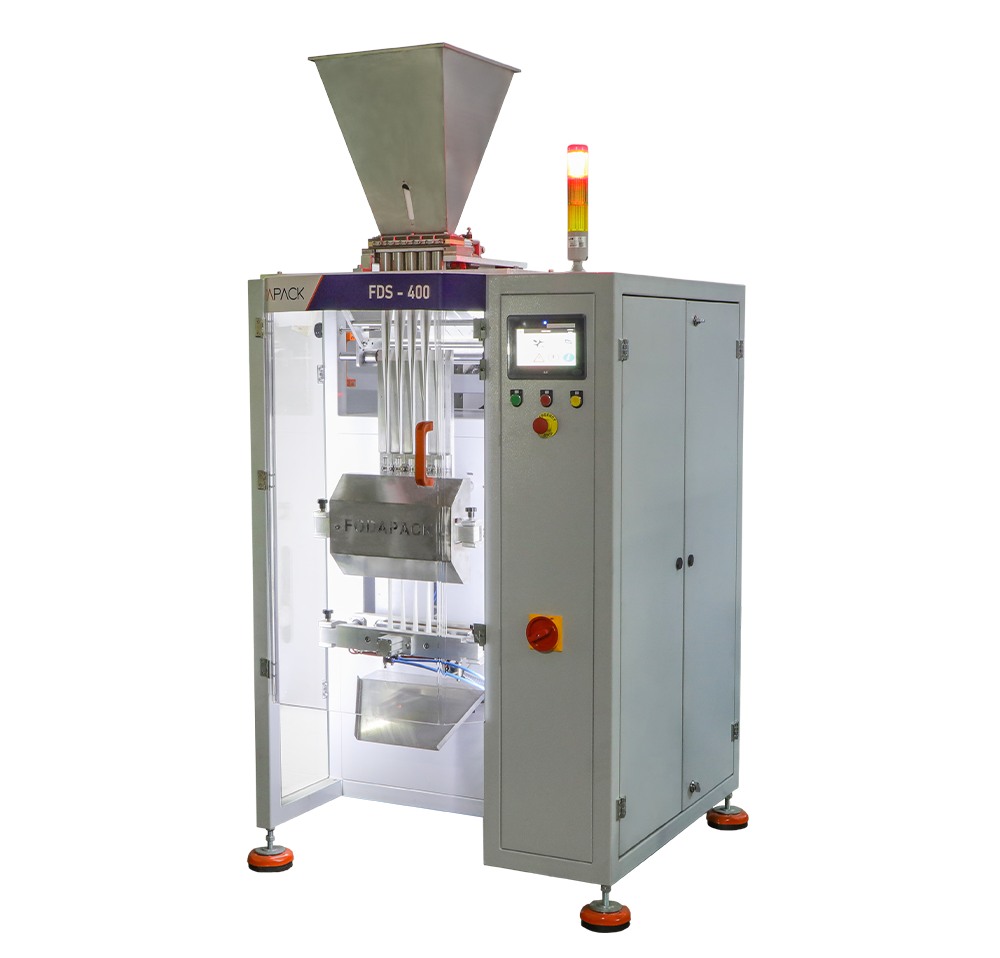
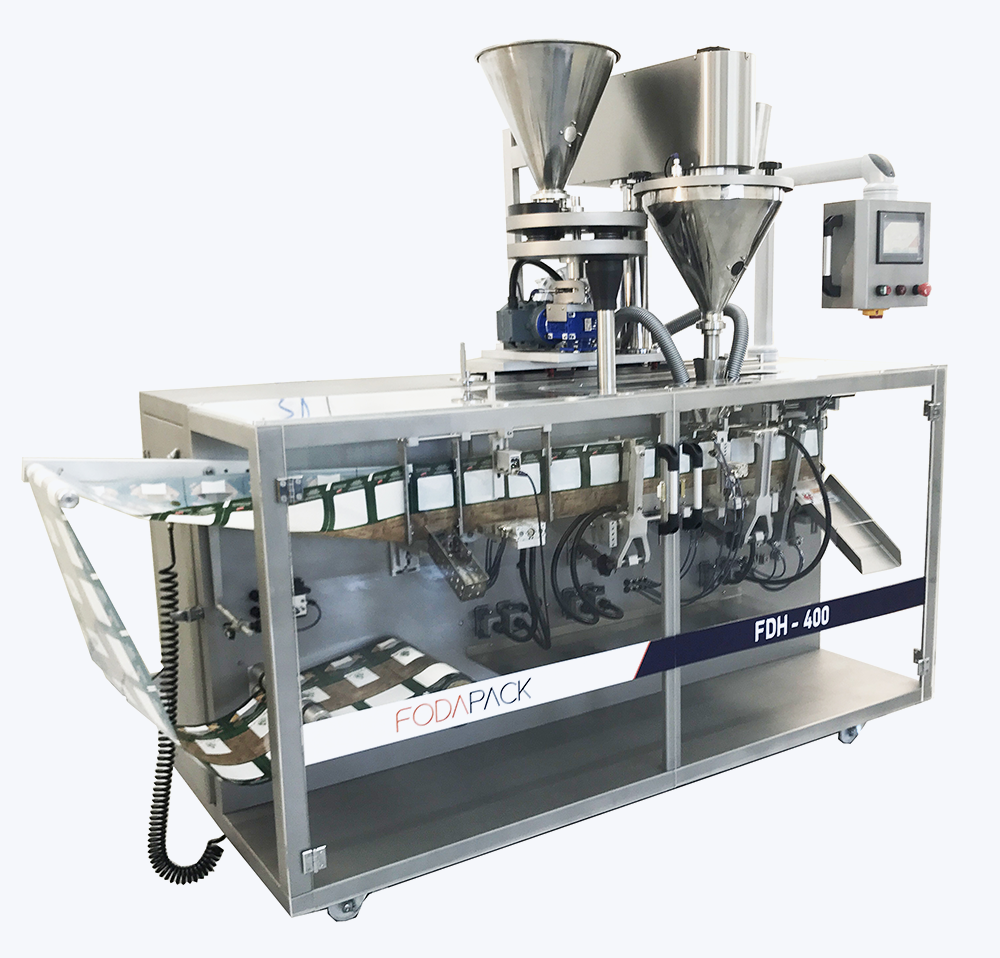
Choosing a Powder Sachet Packaging Machine in 2026 starts with the product, not the brochure. A fine, dusty powder may behave differently from a free-flowing granule, even when both fit the same sachet size. Consider the product’s flow, bulk density, and sensitivity to moisture before comparing machine speeds. Small details matter. A powder that clings to a filling tube can cause inconsistent doses and extra cleaning. Ask suppliers how they test with products similar to yours, and request sample sachets you can inspect and weigh.
The best machine also needs to fit your production routine. Check the sachet dimensions, target fill range, sealing method, changeover time, and available floor space. Operators should be able to adjust settings clearly and access contact parts for cleaning. Ask what routine maintenance involves, which spare parts are recommended, and how technical support is provided. Then compare the full cost of ownership, not only the purchase price. Faster output can look attractive, but it may not help if changeovers are frequent or the line is often waiting for material. Be candid about uncertainty: supplier figures may come from ideal test conditions, not your actual shift. A practical evaluation includes product trials, clear acceptance criteria, and time to review the results. This guide outlines the questions and trade-offs that help buyers choose with care. There is no perfect machine for every powder. There is a better-fit machine for your product, people, and production plan.
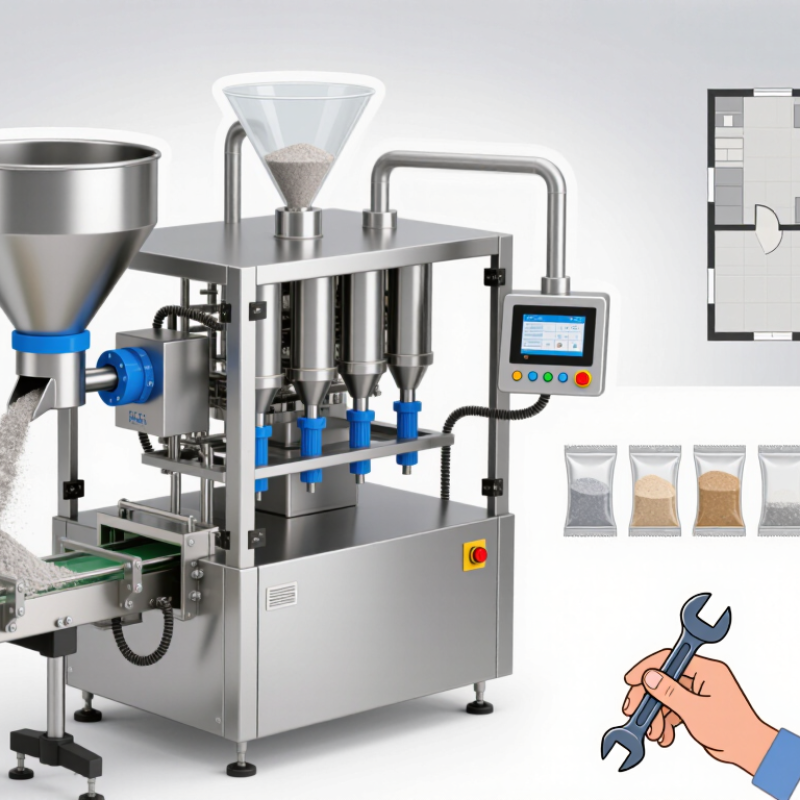
Powder sachet machines form small, sealed packs for single-use products such as instant coffee, flour, spices, and protein mixes. A typical line meters powder through an auger filler, forms a film tube, then seals and cuts each sachet. The format suits samples, travel portions, and controlled servings. Different powders behave differently: fine flour can create airborne dust, while coarse drink mixes may bridge inside a hopper. Small details matter. Operators should test the actual product, not just a similar-looking powder.
The choice of machine depends on flow, dose size, pack style, and required output. Four-side-seal sachets use separate film panels; stick packs make narrow, elongated portions. Check whether the dosing system handles the target weight consistently, and whether seals stay clean when powder settles near the jaws. Grand View Research estimated the global flexible packaging market at USD 261.4 billion in 2024, with projected annual growth of 4.2% from 2025 to 2030. This broad market figure is not specific to sachet machinery, but it shows the scale of flexible-pack applications. Ask suppliers for product trials, changeover times, and cleaning access. A fast machine can still be a poor fit if powder dust causes frequent stoppages. And specifications alone do not tell the whole story.
| Decision Factor | Common Options or Considerations | Best Fit | What to Verify Before Purchase |
|---|---|---|---|
| Powder behavior | Free-flowing, cohesive, dusty, or prone to bridging powders behave differently during feeding and dosing. | The machine and feed system should be selected using the actual product, not only its general category. | Run product trials and check for consistent feeding, dust control, and repeatable fill weights. |
| Dosing method | An auger filler is commonly used for powdered products. Other dosing arrangements may suit particular product and accuracy requirements. | Auger dosing is often considered for powders that need controlled, repeatable portioning. | Confirm the target dose range, changeover needs, calibration method, and fill-weight performance with the intended powder. |
| Sachet format | Common formats include three-side-seal and four-side-seal sachets; stick packs are a narrow, elongated format. | Choose the format based on portion size, opening preference, presentation, and distribution needs. | Check the supported sachet dimensions, seal layout, cutting pattern, and tooling required for each format. |
| Packaging material | Flexible packaging may use single-layer or laminated structures, depending on product protection and sealing requirements. | The material must be compatible with the machine’s film handling and heat-sealing system. | Test the actual film for feed stability, seal integrity, seal contamination, and suitability for the product’s storage conditions. |
| Production output | Output depends on the machine configuration, number of lanes, sachet dimensions, dose, material, and operating conditions. | Match capacity to the required saleable output rather than relying only on a nominal machine-speed figure. | Request a production trial using the target product and film, and clarify how output is measured. |
| Seal quality and cleanliness | Powder around the sealing area can interfere with seal formation; dusty products may also require containment measures. | Important for all powder sachets, especially products that are fine, dusty, or sensitive to moisture. | Evaluate dust extraction or containment, sealing-jaw access, seal testing, and cleaning procedures. |
| Changeover and cleaning | Product changes may require cleaning, format-part changes, dosing adjustments, and verification before restart. | Frequent product or sachet changes benefit from accessible components and clearly defined setup procedures. | Ask for changeover steps, cleaning access, tool requirements, and the time needed under realistic conditions. |
| Controls and inspection | Controls may support parameter adjustment and fault alerts; inspection devices can help identify selected packaging or filling issues. | Useful where operators need repeatable setups, traceable checks, or automatic detection of defined faults. | Confirm which checks are included, what faults are detected, and how rejected sachets are handled. |
| Installation and support | Installation may require suitable floor space, electrical supply, compressed air, extraction, and operator training. | A good fit depends on the full production line and available maintenance capabilities. | Review utility requirements, spare-parts availability, documentation, training, and service arrangements. |
It can pack instant coffee, flour, spices, and protein mixes. Sachets suit samples, travel portions, and measured servings.
An auger filler measures powder into film formed as a tube. The machine seals and cuts each sachet. Small details matter.
Stick packs are narrow and elongated, which may limit dose size. Four-side-seal sachets use separate film panels and offer a different pack shape.
Auger fillers often suit fine or cohesive powders. Volumetric cups may work for free-flowing powders, but changes in density can affect weight. Test the actual product.
Check fill weights, seals, and dust near the sealing jaws. Fine flour can become airborne, while coarse blends may flow unevenly. A similar sample is not enough.
Compare rated speed with your daily target, allowing time for film changes, powder refills, cleaning, and rejected packs. The real output may be lower.
Review product-contact materials, electrical safety, guarding, and cleaning procedures. Confirm the machine can support required weight checks and batch records. Requirements can vary.
Confirm film width, sachet dimensions, discharge height, conveyor speed, and available floor space. Ask for cleaning and changeover demonstrations. Drawings can miss awkward details.
Choosing a Powder Sachet Packaging Machine in 2026 starts with understanding the product and how it will be used. Powder density, flowability, particle size, and sensitivity to moisture can all affect filling accuracy and package performance. Sachet size, material, seal style, and target fill weight should also be defined before comparing equipment.
Next, evaluate machine formats, filling systems, speed, accuracy, and changeover needs against your production goals. Consider whether the machine can meet relevant quality and safety requirements, integrate with existing equipment, and support future capacity changes. Compare the full cost of ownership—not just the purchase price—including installation, maintenance, training, spare parts, and energy use. A supplier’s technical support and service availability can be just as important as the machine’s specifications. Careful assessment of these factors helps identify a practical solution that delivers consistent packaging, reliable operation, and long-term value.