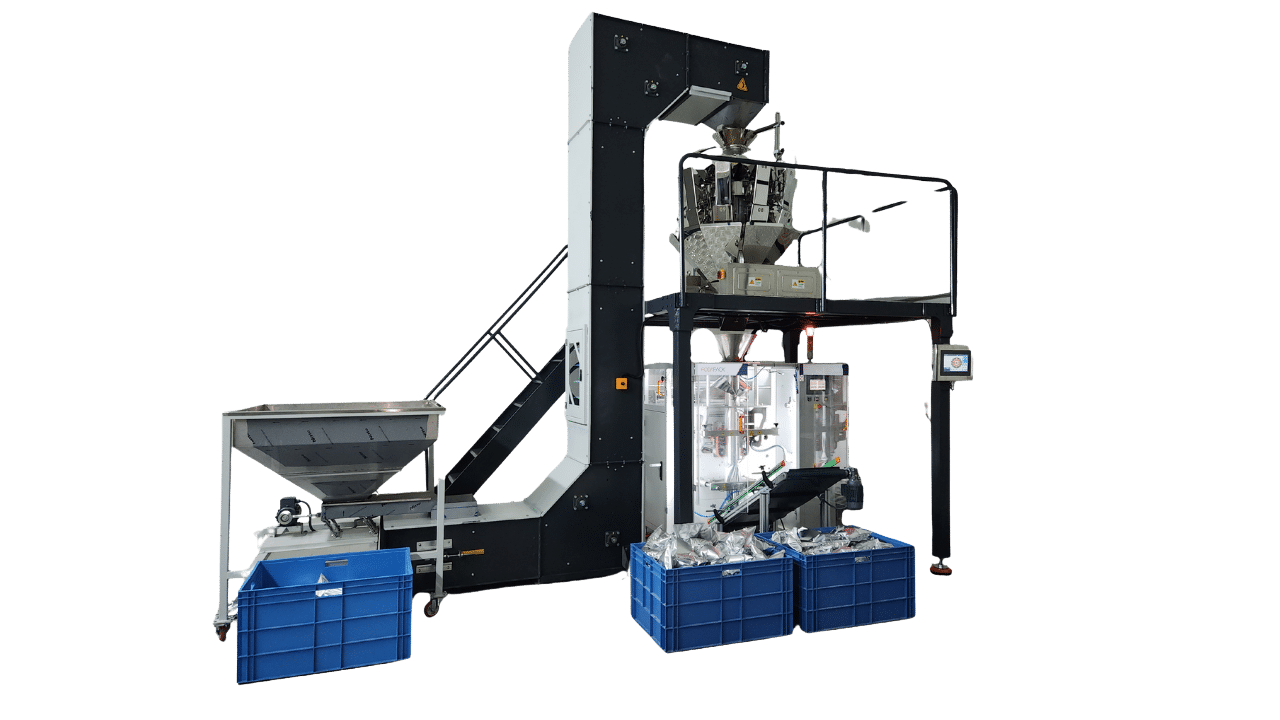
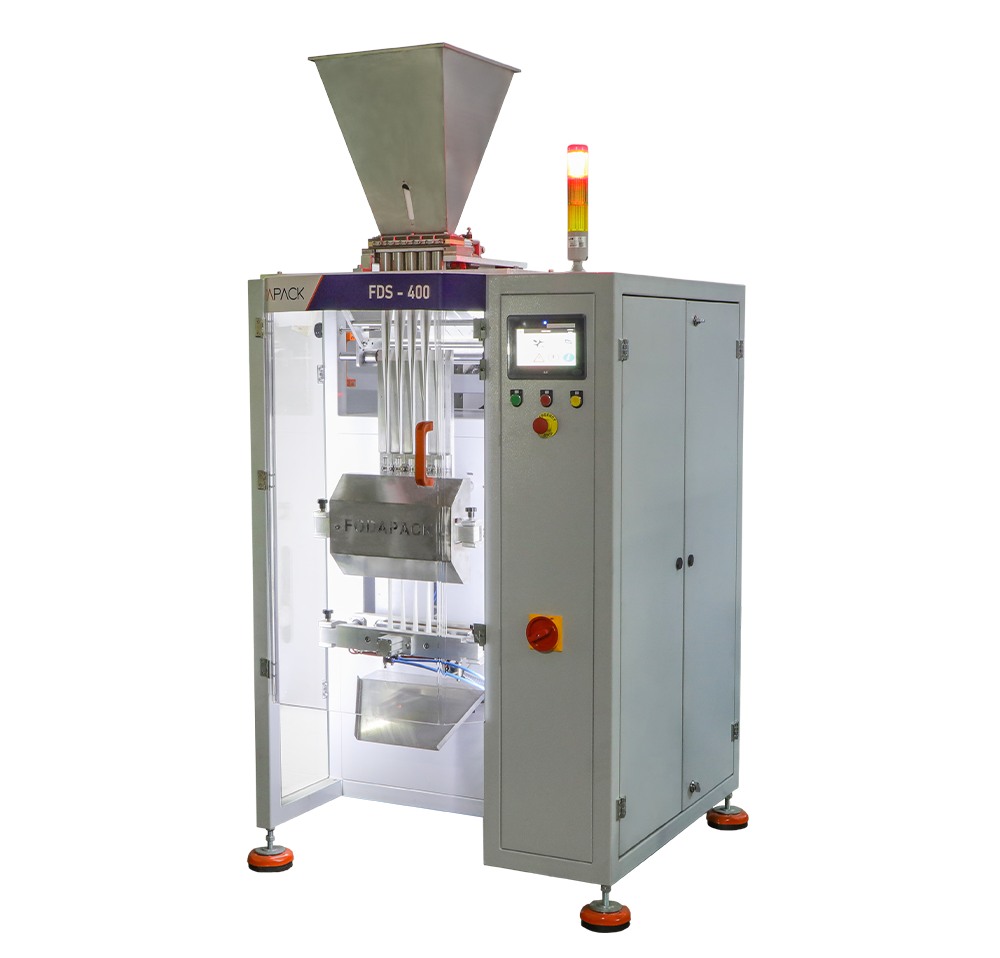
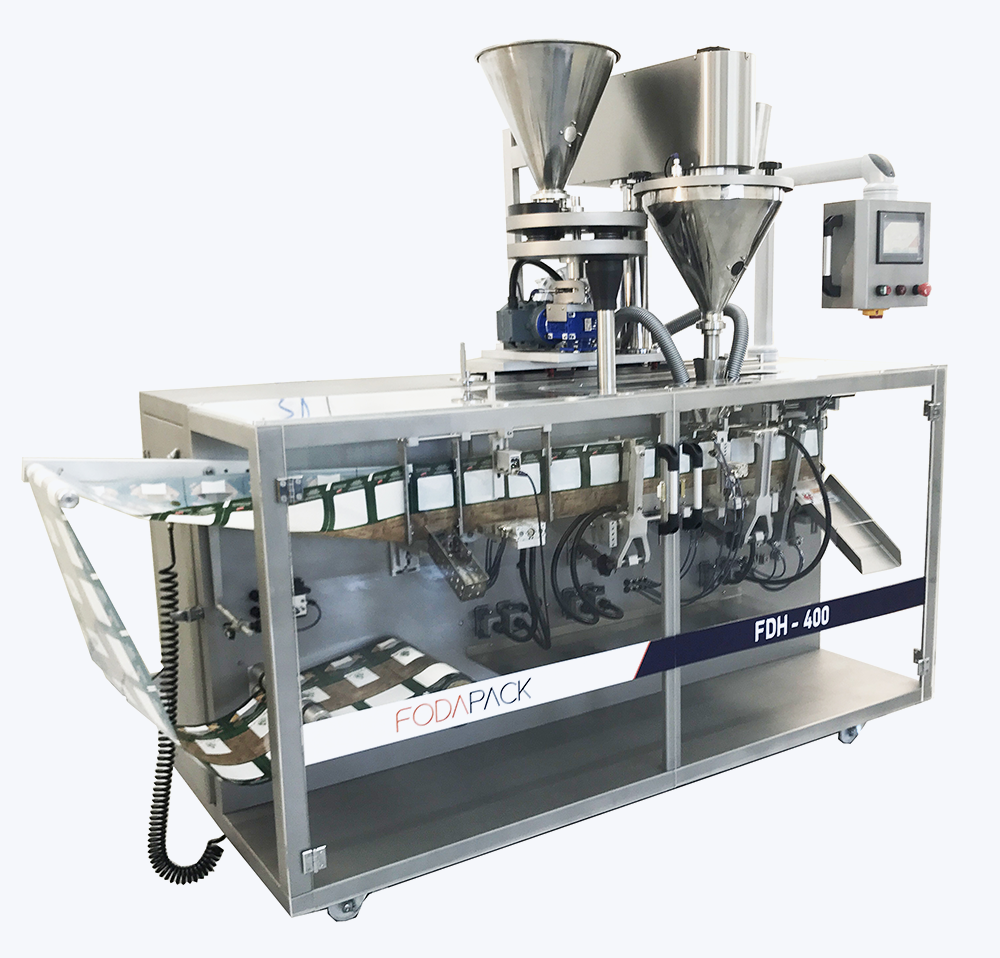
Choosing the right Liquid Sachet Packaging Machine requires more than comparing speed, price, and attractive photographs. The best choice depends on your liquid formula, sachet size, production volume, and hygiene requirements. Water-like drinks behave differently from sauces, oils, gels, or products containing small particles. These differences affect pumps, filling accuracy, sealing pressure, and cleaning procedures.
Small details matter. Examine the liquid path carefully. Stainless steel contact parts, accessible seals, and simple drainage can reduce contamination risks and maintenance delays. Ask suppliers for real production data, not only theoretical output. Request sample sachets filled with your product. Check weight variation, seal strength, leakage, film tracking, and cutting accuracy. A reliable manufacturer should explain its testing methods and provide clear technical documentation. Independent inspection or factory trials can add valuable confidence.
Speed is not everything. A machine running at high speed may create more waste if adjustments are difficult. Consider operator training, spare-part availability, warranty support, and integration with coding or inspection systems. Safety guards and documented procedures also deserve close attention. Requirements vary by product and market, so qualified specialists should confirm applicable standards before purchase.
No machine is perfect. Even experienced teams can overlook changeover time or cleaning access. That assumption can fail. Compare total ownership costs over several years, rather than focusing only on the initial quotation. A careful evaluation helps you select equipment that protects product quality, supports consistent production, and remains practical as your business grows.
Understanding Liquid Sachet Packaging Machine Types
How to Choose the Best Liquid Sachet Packaging Machine?
Understanding Liquid Sachet Packaging Machine Types
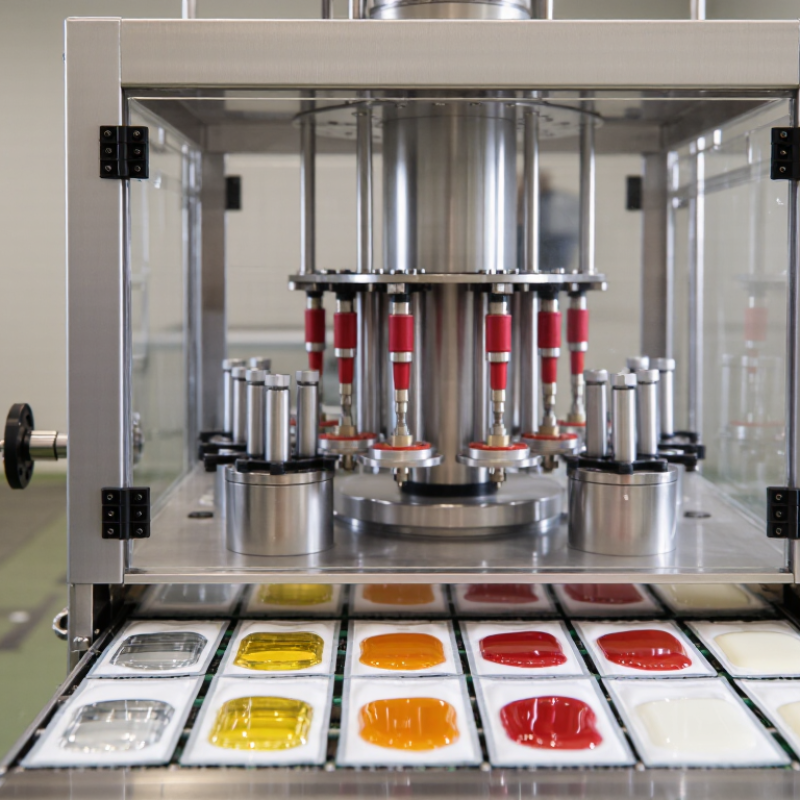
Liquid sachet machines differ by seal structure, filling method, and production speed. The common vertical form-fill-seal machine creates sachets from a film roll. It suits water, sauces, detergents, and other free-flowing liquids. A three-side seal machine offers simple packaging and easy film changes. Four-side seal models provide a cleaner appearance and stronger product separation.
Stick pack machines produce narrow, portable sachets. They work well for liquid supplements, honey, sauces, and single-use beverages. However, narrow forming tubes can limit thicker products. Rotary premade-pouch machines handle flexible pouches with accurate dosing. They usually need more floor space and higher investment. Choose carefully.
Filling technology matters as much as the machine format. Gravity fillers suit thin liquids, while piston fillers handle thicker products with better volume control. Servo-driven pumps can improve accuracy, especially when viscosity changes during production.
During testing, measure fill weight, sealing temperature, leakage rate, and cleaning time. Watch the first and last sachets in each batch. Small errors often appear there. Film tension, nozzle design, and liquid temperature also affect performance. No machine is perfect. A practical choice leaves room for maintenance, operator learning, and future product changes.
Defining Product, Sachet, and Production Requirements
How to Choose the Best Liquid Sachet Packaging Machine?
Defining Product, Sachet, and Production Requirements
Start with the liquid, not the machine. Measure viscosity, density, foaming behavior, temperature, and particle content. A water-like product needs different dosing control from syrup or lotion. Check pH and ingredient sensitivity too. Small differences can create leaking seals or inaccurate fills.
The sachet itself sets important limits. Define target volume, film structure, seal width, tear direction, and acceptable dimensional variation. The Flexible Packaging Association reported US flexible packaging sales of about $39.8 billion in 2022, showing the sector’s scale and competitive pressure. However, market size does not guarantee the right machine. Film trials matter more than impressive speed claims.
Production planning should include daily volume, shift length, cleaning time, and changeover frequency. A 2024 Smithers flexible-packaging outlook describes continued growth in a market worth hundreds of billions of dollars globally. That growth encourages automation, but faster is not always better. Calculate actual output after stoppages, cleaning, film changes, and rejected sachets. Ask for test data using your product and film. Record fill accuracy, seal strength, leakage rate, and waste. I have seen specifications look excellent on paper, yet fail during humid, dusty production days. That uncomfortable gap deserves attention. Also question whether a smaller machine with simpler maintenance may deliver more reliable yearly output.
Comparing Machine Features, Materials, and Filling Accuracy
Choosing a liquid sachet packaging machine requires more than checking its advertised speed. The product’s viscosity, temperature, and particle content affect the filling system. Thin liquids may suit a piston or pump system, while thicker products often need stronger dosing control. During factory trials, observe how the machine handles dripping, foaming, and uneven flow. Small details matter.
Packaging material also changes machine performance. Polyethylene films can run smoothly, but multilayer laminates may require different sealing temperatures. Ask for tests using the exact film structure and thickness planned for production. Check seal strength, sachet appearance, film tracking, and cutting accuracy. A clean seal is essential. A fast machine is not always the best machine.
Filling accuracy deserves measured evidence, not promises. Request repeated weight checks at low, medium, and high production speeds. Compare the average weight with the variation between sachets. Servo-controlled dosing can improve repeatability, but calibration still depends on the product and operator settings. The first trial may waste film. That is normal, but it should be recorded and corrected. In my experience, simple access to pumps, sensors, and sealing parts often saves more time than an impressive speed rating. No setting is perfect on day one. Choose equipment that supports adjustment, inspection, and practical maintenance.
How to Choose the Best Liquid Sachet Packaging Machine?
Comparing machine features, packaging materials, and typical filling accuracy
How to read the chart: The values show typical target-volume accuracy ranges used for different liquid categories. Water-like products generally achieve the highest accuracy, while sauces, creams, and products containing particles require more advanced pumps, agitation, and control systems.
Selection guidance: Choose a machine with servo-driven dosing for precise volume control, stainless-steel contact parts for hygiene and corrosion resistance, and compatibility with heat-sealable laminated films such as PET/PE, BOPP/PE, or PET/AL/PE. Film thickness, seal temperature, product viscosity, and particulate size should be checked before purchase.
Reference values are indicative engineering ranges commonly used for liquid sachet equipment selection; actual results depend on product properties, film structure, machine settings, and testing conditions.
Assessing Speed, Hygiene, Automation, and Maintenance
How to Choose the Best Liquid Sachet Packaging Machine?
Speed matters, but output alone can mislead. Ask for sustained speed with real liquid, film, and seal conditions. A machine rated at 120 sachets per minute may slow sharply during changeovers. PMMI’s 2024 State of the Industry report identifies labor availability and equipment reliability as major packaging investment pressures. Therefore, measure usable output, not brochure speed. Record changeover time, reject rates, and unplanned stops during a factory trial.
Hygiene needs visible evidence. Choose stainless-steel surfaces, sloped frames, protected electrical parts, and tool-free access around product zones. EHEDG hygienic design guidance emphasizes cleanable surfaces and reduced contamination risks. Liquid residue often hides beneath sealing jaws. Inspect those areas personally. Automation should support operators, not confuse them. Deloitte’s 2023 Smart Manufacturing Survey found that 86% of manufacturers consider smart manufacturing essential to competitiveness. Useful features include automatic film tracking, temperature control, fill-volume checks, alarm history, and remote diagnostics. Keep the interface simple.
Maintenance is where many purchasing decisions become expensive. Request a spare-parts list, maintenance schedule, and mean-time-to-repair records. Plant Engineering’s 2024 Maintenance Report continues to show the importance of preventive and predictive maintenance programs for reducing downtime. Ask whether operators can replace seals and sensors without specialist support. Fast machines are not always better. A slower, cleaner machine with stable sealing may deliver more saleable sachets each shift. Data can still be incomplete, so verify every claim under your own production conditions.
Evaluating Costs, Suppliers, Safety, and Long-Term Value
Choosing a liquid sachet packaging machine starts with the product, not the brochure. Viscosity, temperature, foam, and particle size determine the pump and sealing system. Ask suppliers to run your actual liquid through a trial machine. Watch the seal jaws after several hours, not just ten minutes. A clean, stable seal matters more than an impressive speed claim. Request samples made with your planned packaging film. Small laminate differences can cause leaks, wrinkles, or weak seals.
Compare total costs over five years. Include tooling, spare parts, energy, training, film waste, and maintenance labor. A low purchase price may hide expensive changeover work. Check whether common wear parts are available locally and clearly documented. Speak with two or three existing users, if possible. Ask about response times during a night shift. Ask harder questions. Can the supplier provide validation records, electrical drawings, and operator training? A reliable supplier explains limitations instead of promising perfect output. That honesty may make the proposal look less attractive.
Safety should cover guarding, emergency stops, cleaning access, hot surfaces, and liquid handling. Verify that the machine supports your workplace risk assessment and regional requirements. Long-term value also depends on upgrade options, software access, and maintenance records. Measure actual output, reject rates, and downtime during acceptance testing. I have seen teams focus on speed and overlook film waste. That mistake becomes expensive. Still, no forecast is perfect. Production volumes change, operators learn differently, and maintenance may be delayed. Choose measurable performance, with room for improvement.
FAQS
Test viscosity, density, foaming, temperature, pH, and particle content. Water-like liquids need different dosing control than lotions or syrups. Small differences can cause leaks.
Thin liquids may suit piston or pump systems. Thick liquids need stronger dosing control. Foaming or dripping can reduce accuracy during production.
Film thickness and laminate structure affect sealing temperature and tracking. Test the planned film, not a similar sample. Small film differences can create wrinkles or weak seals.
Set the target volume, seal width, tear direction, film structure, and dimensional limits. Clear targets make machine trials easier to judge.
Include cleaning, changeovers, film replacement, stoppages, and rejected sachets. Advertised speed is only a starting point. Actual output may be lower.
Request repeated weight checks at low, medium, and high speeds. Compare average weight and variation between sachets. Record waste and corrections.
Include tooling, spare parts, energy, training, maintenance labor, and film waste. A cheaper machine may require expensive changeovers. The lowest price can mislead.
Check guards, emergency stops, hot-surface protection, cleaning access, and liquid-handling controls. Inspect pumps, sensors, and sealing parts easily. Simple access matters.
Ask for product trials, validation records, electrical drawings, training, and maintenance documents. Speak with existing users about night-shift support. Promises are not proof.
No. A slower machine may produce fewer rejects and need less maintenance. The first trial may waste film, and some settings will need adjustment. That is worth recording.
Conclusion
Choosing the right Liquid Sachet Packaging Machine requires a clear understanding of your product, packaging goals, and production environment. Start by comparing suitable machine types according to liquid viscosity, sachet size, sealing style, and required output. Define the product characteristics, packaging material, fill volume, and daily capacity before evaluating equipment. Key considerations include filling accuracy, sealing consistency, material compatibility, and the ability to handle different sachet formats without compromising quality.
A reliable machine should also support efficient operation, hygienic product contact, automation, easy cleaning, and straightforward maintenance. Assess its running speed in relation to real production needs rather than focusing only on maximum capacity. Safety features, operator convenience, spare-part availability, technical support, and supplier reliability are equally important. Finally, compare the total cost of ownership, including installation, energy use, maintenance, and potential upgrades. The best choice is a balanced solution that delivers stable performance, protects product quality, and creates long-term value for your operation.