Knowledge Center
Packaging Machinery Blog & Insights
Expert technical guides, machine buying advice, cost analysis, and industrial updates.
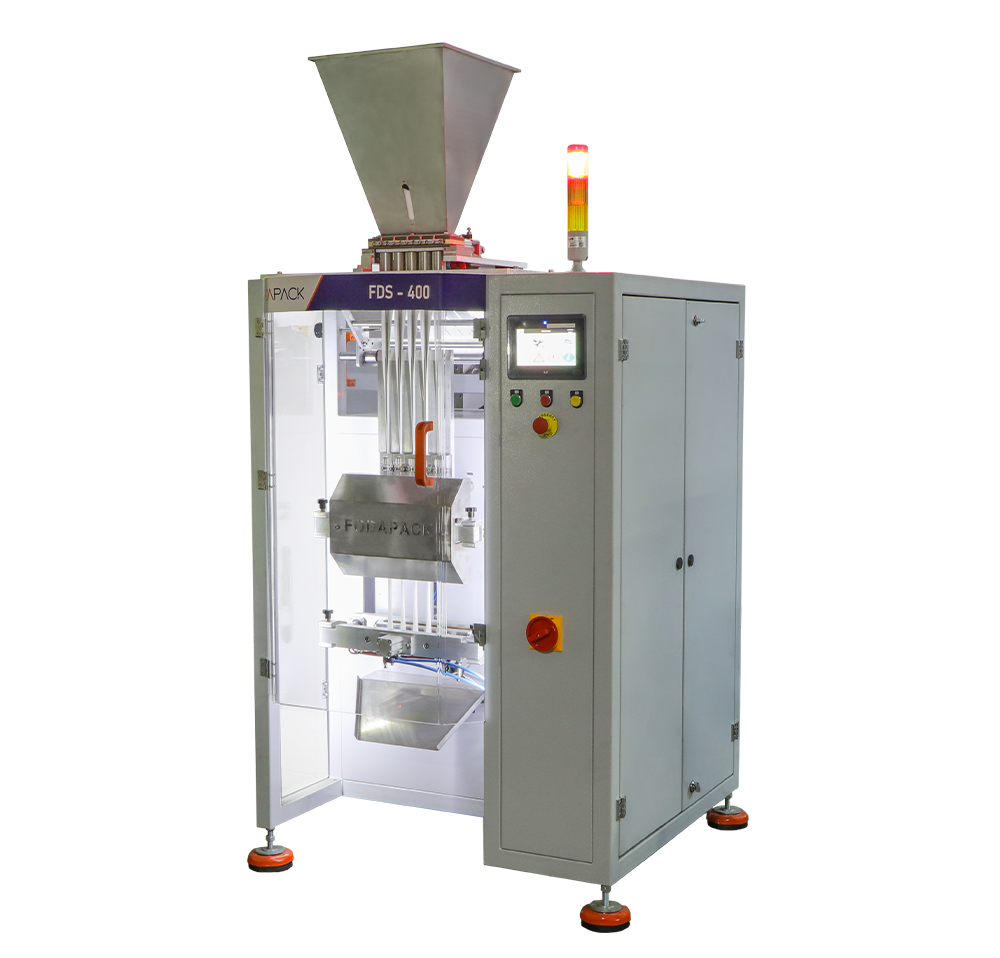
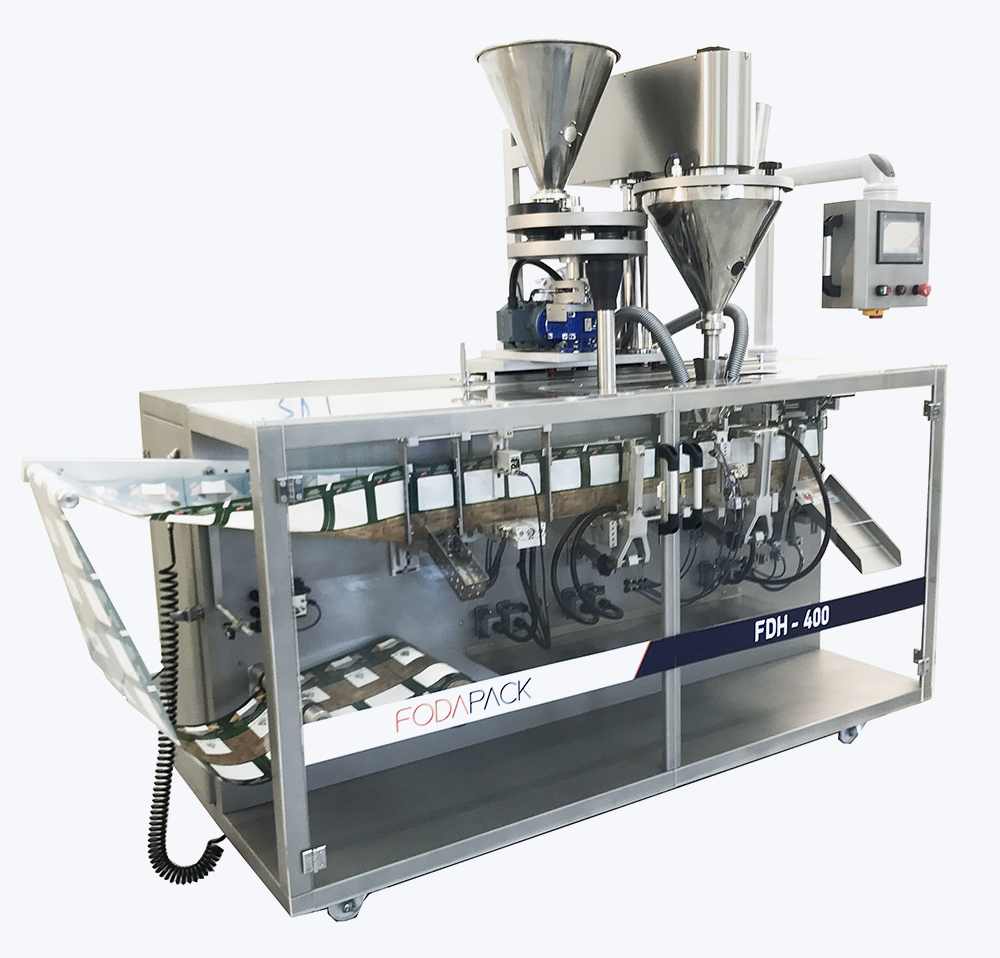
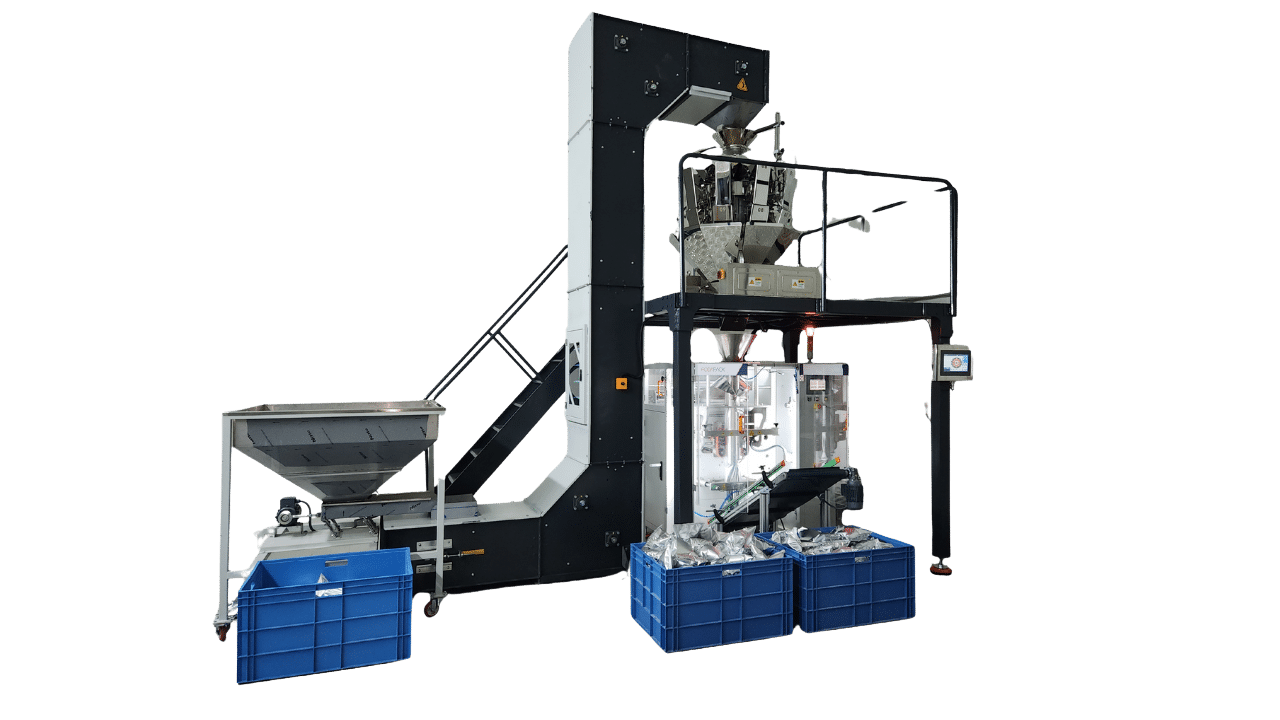
Selecting the top Multi-Lane Stick Pack Machine manufacturers requires more than comparing catalog prices. It demands evidence from real production environments. A reliable machine should deliver accurate dosing, stable sealing, clean film tracking, and consistent output across several lanes. Small faults can multiply quickly. One misaligned seal may affect hundreds of sachets within minutes.
Industry reports support this practical view. PMMI’s 2024 State of the Industry research highlights automation, labor efficiency, and equipment reliability as continuing priorities for packaging producers. Smithers’ The Future of Flexible Packaging to 2028 also points to growing demand for lightweight, resource-efficient packaging formats. These findings help explain why manufacturers now emphasize servo control, remote diagnostics, quick changeovers, and reduced material waste. The machine frame matters, too. Stainless steel surfaces, accessible sealing stations, and clear guarding can simplify cleaning and maintenance.
This guide compares leading manufacturers through measurable and practical criteria. It examines machine speed, lane configuration, filling accuracy, seal quality, control systems, after-sales support, and integration with upstream equipment. Factory references and technical documentation deserve more weight than attractive brochures. No ranking is perfect. Buyer priorities differ. A powder producer may value dust control, while a liquid product manufacturer may prioritize pump precision. Regional service coverage can also decide the purchase. A famous brand is not always the best fit. That deserves honest reflection. By combining published industry research with engineering experience and supplier verification, this overview aims to create a clearer, more reliable shortlist for modern stick pack production.
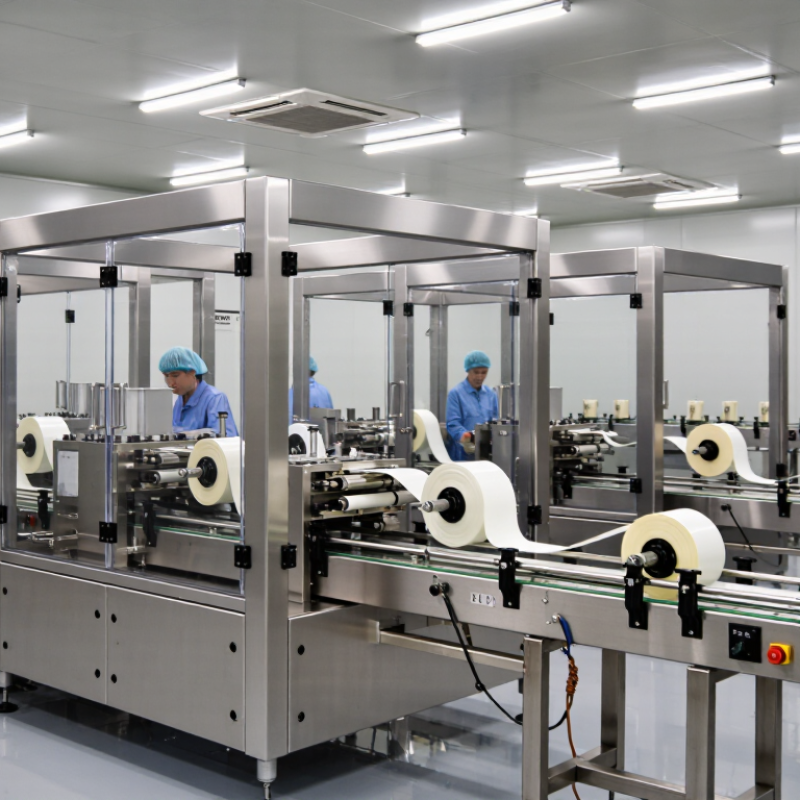
A multi-lane stick pack machine is an automated system that forms, fills, seals, and cuts several narrow sachets at the same time. Unlike a single-lane unit, it uses multiple film channels arranged across one machine frame. This design increases output while keeping each stick pack compact and consistent. The machine typically unwinds roll film, shapes it around forming tubes, and doses product through separate filling stations. Vertical seals create the packet structure. Horizontal seals close each section before individual cutting.
Different products require different dosing methods. Auger fillers suit powders, while piston or pump systems handle liquids and pastes. Granular products may need volumetric cups or weigh-based equipment. Servo motors control film movement and filling timing. Sensors monitor registration marks, temperature, pressure, and missing packs. Small errors matter. A misaligned seal can waste an entire row of sachets.
From practical equipment evaluations, the best machine is not always the fastest one. Film quality, product flow, cleaning access, and changeover time often affect real production more than advertised speed. Operators should inspect seal strength, dose accuracy, rejection systems, and spare-part availability. A machine running twelve lanes may appear efficient, yet difficult maintenance can reduce uptime. This is where specifications need careful questioning. Performance can change with humidity, powder density, and package size. Test trials under real factory conditions reveal weaknesses that brochures rarely show.
| Evaluation Dimension | Typical Multi-Lane Specification | What It Means | Best-Fit Products or Applications | Key Selection Consideration |
|---|---|---|---|---|
| Basic Machine Definition | A vertical form-fill-seal system that produces several stick packs at the same time | One film web is divided into multiple lanes, allowing parallel forming, filling, sealing, and cutting operations. | Powders, granules, liquids, gels, and small-volume products | Confirm that the machine layout matches the required number of lanes, product type, and package size. |
| Number of Lanes | Common configurations include 4 to 20 lanes; higher lane counts are available for specialized high-output systems | Each additional lane can increase output, provided that the dosing, sealing, film handling, and downstream systems can maintain the required speed. | High-volume food, beverage, pharmaceutical, nutraceutical, and personal-care production | More lanes generally require greater floor space, more complex maintenance, and more precise product distribution. |
| Typical Output | Approximately 100 to 1,200 stick packs per minute, depending on lane count, product, fill volume, and machine speed | Output is normally calculated as the number of lanes multiplied by cycles per minute, adjusted for rejects and machine stoppages. | Continuous production environments with stable demand | Compare guaranteed usable output rather than only the maximum mechanical speed. |
| Package Format | Narrow, elongated sachets with a longitudinal seal and transverse end seals | The format is designed for single-use dispensing and convenient portability. | Instant coffee, sugar, salt, sauces, powders, oral-care products, and cosmetic samples | Define the finished stick length, width, tear-notch position, and required seal strength before selecting equipment. |
| Typical Stick Dimensions | Often about 30–60 mm wide and 70–200 mm long, with dimensions customized to the product and dose | Actual dimensions depend on fill volume, product density, film width, sealing area, and consumer-use requirements. | Small single-serve portions and sample-size products | Use the largest expected dose and the required headspace when determining the forming tube and dosing system. |
| Filling Systems | Auger fillers, volumetric cup fillers, multi-head weighers, liquid pumps, piston fillers, or combination systems | The dosing method must match the physical characteristics and flow behavior of the product. | Auger: powders; volumetric cups: free-flowing granules; pumps: liquids and viscous products | Check filling accuracy, product aeration, bridging, dust generation, viscosity, and cleaning requirements. |
| Packaging Materials | Heat-sealable laminated films, including paper-based, plastic, foil-laminated, or high-barrier structures | Film selection affects barrier performance, sealability, machinability, shelf life, and recyclability. | Products requiring protection from moisture, oxygen, light, aroma loss, or contamination | Test the actual film structure on the machine because sealing temperature and dwell time vary by material. |
| Sealing Method | Heat sealing with controlled temperature, pressure, and dwell time | Longitudinal and transverse seals close the package and protect the filled product. | Dry, liquid, and semi-liquid products in single-use packaging | Validate seal integrity, seal width, leak resistance, and performance after exposure to the product. |
| Film Registration | Photoelectric registration using printed eye marks, with servo-controlled film feeding on advanced systems | Registration keeps graphics, tear notches, and cut positions aligned with the finished stick pack. | Printed packaging requiring accurate artwork positioning | Confirm eye-mark contrast, film print repeat length, registration tolerance, and sensor compatibility. |
| Automation and Controls | PLC control, touchscreen HMI, servo drives, temperature controllers, alarm records, and recipe storage | Automated control improves repeatability and helps operators monitor production conditions. | Facilities requiring traceability, repeatable recipes, and controlled process parameters | Review data logging, access levels, remote support, electronic records, and integration with production systems. |
| Quality Inspection | Optional checkweighing, seal inspection, metal detection, vision inspection, and reject handling | Inspection systems identify underfilled packs, incorrect registration, damaged seals, contamination, or coding errors. | Food, pharmaceutical, nutraceutical, and regulated consumer products | Specify inspection points and reject verification requirements before finalizing the machine configuration. |
| Changeover Requirements | Format-part replacement, dosing adjustment, recipe selection, film change, and cleaning between products | Changeover time affects overall equipment effectiveness and production flexibility. | Facilities producing multiple stick sizes, flavors, formulas, or package designs | Ask for documented changeover times using the actual product and format, not an idealized demonstration setup. |
| Hygienic Design | Stainless-steel product-contact areas, accessible surfaces, guarded moving parts, and tool-less or simplified cleaning features | A hygienic design reduces contamination risks and supports efficient sanitation. | Food, beverage, pharmaceutical, and personal-care applications | Check cleanability, drainage, dust control, allergen changeover procedures, and applicable regulatory requirements. |
| Utilities | Electrical power plus compressed air; some systems may require dust extraction, chilled water, or specialized ventilation | Utility requirements depend on the dosing system, sealing technology, product properties, and auxiliary equipment. | Production lines with centralized plant utilities | Confirm voltage, installed power, air pressure, air consumption, extraction capacity, and environmental conditions. |
| Manufacturer Evaluation Criteria | Application experience, validated test results, technical support, spare parts availability, documentation, and service response | The most suitable manufacturer is determined by proven performance for the specific product and packaging material, not by lane count alone. | New installations, capacity expansions, contract packaging, and regulated production | Request product trials, sample packs, performance data, factory acceptance testing, installation support, and lifecycle cost information. |
Note: The specifications shown are representative industry ranges and should be verified through application testing and a formal technical proposal. Actual performance depends on product characteristics, package dimensions, film structure, lane configuration, and operating conditions.
The machine unwinds film, forms narrow tubes, fills each lane, seals the film, and cuts individual packs. Servo motors coordinate film movement and filling timing. Sensors monitor printed marks. Small timing errors can still occur.
Auger fillers usually handle powders. Volumetric systems suit granules, while pumps handle liquids. Product flow, density, and moisture affect accuracy. Test your material.
No. More lanes can increase capacity when feeding remains stable. Poor powder flow or uneven film tension may reduce actual output. More is not always better.
Use your actual product and packaging film. Check fill-weight variation, seal strength, cutting quality, reject rates, and changeover time. Record the samples. Brochure figures are not enough.
Inspect sealing jaws, forming collars, knives, sensors, and film tracking each day. Remove product residue before making adjustments. Powder can harden around dosing parts within one shift. This is easy to miss.
Check pneumatic filters, belts, bearings, fasteners, and calibration records. Review stoppage logs for repeated timing problems. Small faults become expensive later. Preventive work is often delayed.
Match the machine with product type, film structure, target speed, and floor space. Check electrical requirements, spare-part access, training, and technical response times. Leave workspace around the frame.
Request recorded acceptance tests, clear tolerances, service schedules, manuals, and similar application references. Ask trained technicians about lane synchronization after cleaning. One successful installation proves little. Evidence matters.
A Multi-Lane Stick Pack Machine is an automated packaging system designed to fill and seal several narrow sachets at the same time, improving production speed, consistency, and material efficiency. Its main features may include multiple filling lanes, precise dosing controls, film-forming components, heat-sealing systems, user-friendly controls, and integrated cutting mechanisms. During operation, packaging film is shaped into individual tubes, accurately filled with the selected product, sealed, and separated into finished stick packs.
When evaluating manufacturers, buyers should compare lane configuration, filling accuracy, output capacity, compatible product types, machine dimensions, automation level, and customization options. Reliable technical support, spare-part availability, safety functions, and ease of cleaning are also important factors. These machines can serve food, beverage, pharmaceutical, cosmetic, and other regulated packaging applications, depending on the design. Regular maintenance, including inspections, lubrication, cleaning, and seal checks, helps maintain performance. Purchasing decisions should consider total operating costs, installation requirements, operator training, and long-term service support rather than focusing only on the initial price.