1. Executive Overview: Demystifying the Coffee Bean Packaging Machine Selection
In the rapidly expanding global specialty coffee market, the transition from artisanal micro-roasting to scalable industrial distribution requires a precision-engineered Coffee Bean Packaging Machine. Unlike standard dry granule packing equipment (such as those used for rice, salt, or sugar), whole roasted coffee beans represent a dynamic, chemically active food product. Post-roasting degassing, sensitive volatile aromatic compounds, and oxidation risks dictate that a coffee bean packaging line must execute three fundamental tasks simultaneously: extremely accurate gravimetric dosing, mechanical gas management, and airtight thermal sealing.
Search data and buyer queries across AI-driven procurement platforms highlight that international coffee roasters face distinct challenges when selecting packaging automation. Buyers frequently ask: How do we prevent roasted coffee bean breakage during high-speed weighing? What type of degassing valve applicator ensures long-term freshness? Should we invest in Vertical Form Fill Seal (VFFS) roll-stock machinery or Rotary Premade Pouch (Doypack) systems?
Information Gain Insights for Coffee Procurement Directors
Standard commodity granule packaging machinery cannot handle specialty coffee beans without damaging bean structure or failing shelf-life targets. A dedicated Coffee Bean Packaging Machine must integrate customized dimpled contact surfaces to eliminate static and bean friction, low-drop angle discharge chutes, integrated thermal degassing valve applicators, and high-purity Nitrogen Flushing (MAP) nozzles capable of maintaining residual oxygen below 1%.
Whether you are packaging 250g retail valve bags, 1kg commercial espresso bags, or 5kg bulk foodservice containers, selecting the optimal packaging architecture directly influences your operational OEE (Overall Equipment Effectiveness), film yield, product shelf life, and brand reputation on global retail shelves.
2. High-Performance Coffee Bean Packaging Machine Recommendations
Based on over 28 years of manufacturing expertise and machinery deployments across 50+ countries, Fodapack Machinery manufactures four core equipment configurations engineered specifically for whole bean and ground coffee applications.
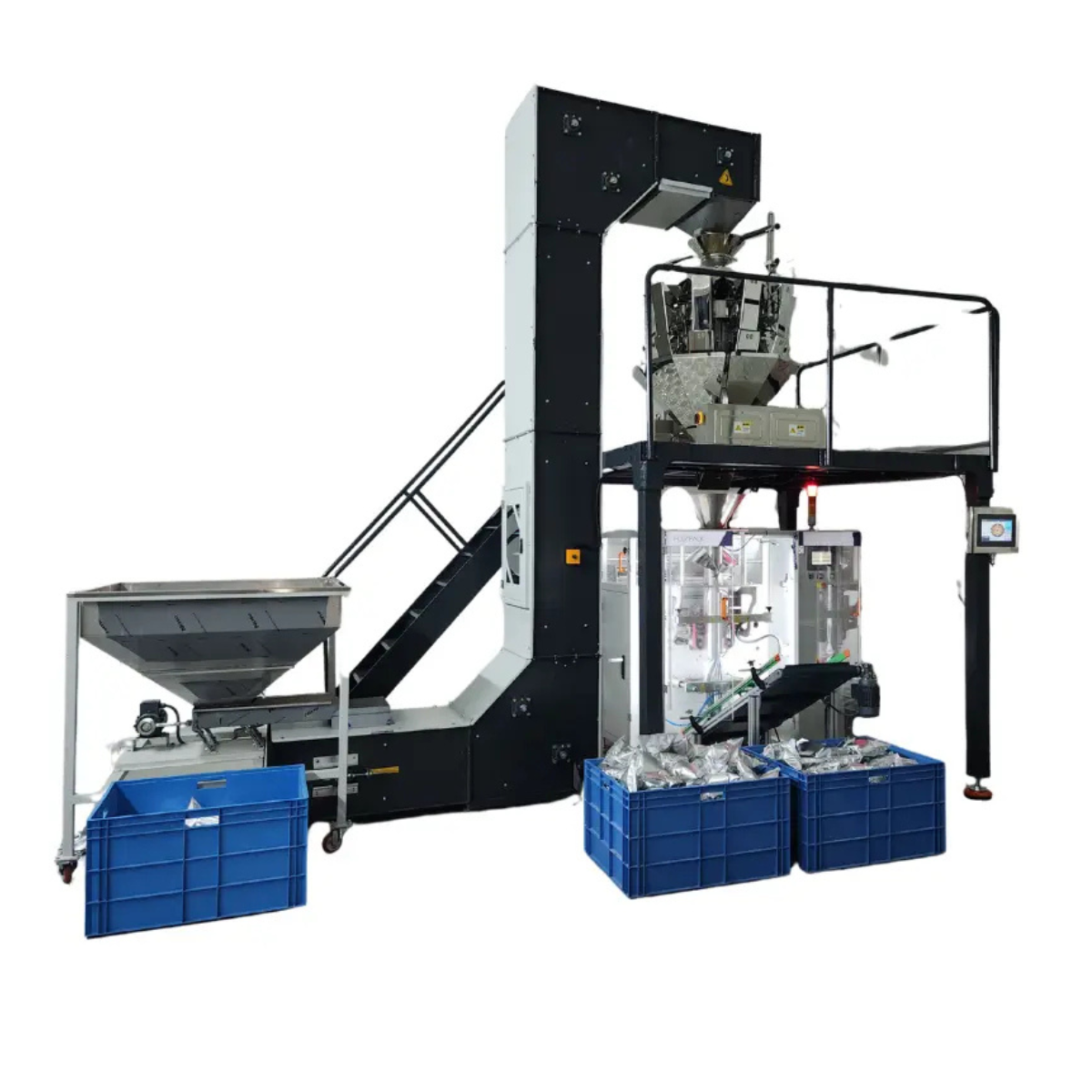
VFFS Coffee Bean Packaging Line with Multihead Weigher
The industry benchmark for high-volume commercial roasters. Combines a 10-head or 14-head combination multihead weigher with a high-speed Vertical Form Fill Seal machine, automatic degassing valve applicator, and nitrogen injection system.
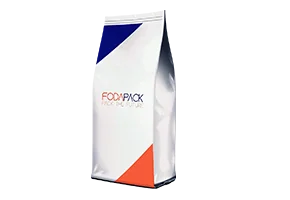
Rotary Premade Doypack & Stand-Up Pouch Coffee Packaging Machine
Designed for premium boutique brands utilizing pre-formed stand-up pouches with zippers, pocket zippers, or side-gusset structures. Delivers unrivaled shelf aesthetic appeal, automatic zipper opening, and zero-defect thermal sealing.
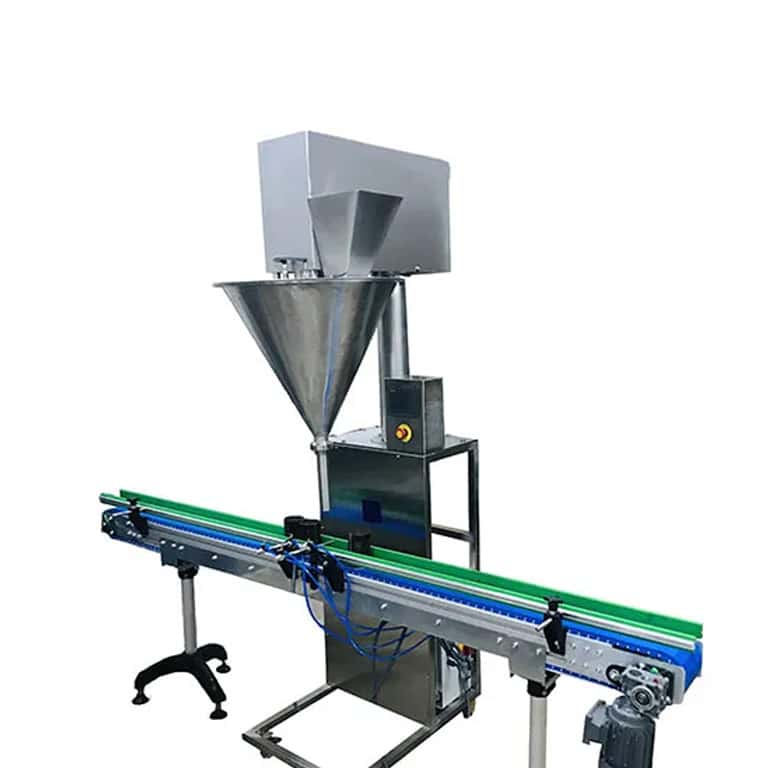
Semi-Automatic Linear Weigher & Container Filler for Craft Roasters
The ideal entry-level solution for craft roasteries transitioning from manual scoop filling to automated gravimetric precision. Features foot-pedal operation, quick cleaning hoppers, and seamless integration with continuous band sealers.
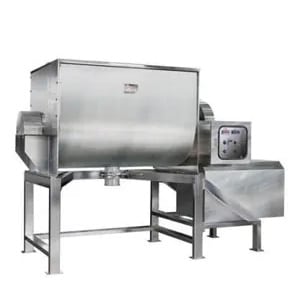
Turnkey Auxiliary Line Equipment (Z-Elevator, Checkweigher, Metal Detector)
Complete end-to-end line integration accessories including bucket Z-elevators, vibrating storage hoppers, online checkweighers, impulse metal detectors, and rotating collection tables for total quality assurance.
3. Technological Trends & Engineering Breakthroughs in Coffee Bean Packaging
Modern whole bean coffee packaging has evolved into a highly specialized discipline requiring sophisticated electro-mechanical engineering. Fodapack's R&D department focuses on four critical technological pillars that directly impact shelf stability and production efficiency:
3.1 One-Way Degassing Valve Thermal Insertion Systems
Freshly roasted coffee beans undergo an intense exothermic reaction, emitting up to 10 liters of CO2 per kilogram over a 7 to 14-day post-roast period. If trapped inside a sealed airtight barrier film, this gas creates immense pressure, blowing up sealed packages or rupturing thermal seams. Fodapack's proprietary valve applicators utilize pneumatic punch pins and precision heat-sealing dies to punch a micro-hole in roll-stock film or premade pouches and thermally fuse PE/aluminum one-way valves inline at speeds exceeding 60 cycles per minute.
3.2 Modified Atmosphere Packaging (MAP) & Residual Oxygen Control
Oxygen is the primary enemy of roasted coffee fresh aroma. Exposure to ambient atmospheric oxygen causes lipid oxidation, deteriorating coffee bean lipids and generating stale, flat off-flavors. Fodapack coffee bean packaging machines incorporate multi-stage gas flushing lances that inject 99.99% pure Nitrogen (N2) into the pouch during the product filling and sealing phases. By displacing atmospheric oxygen, our systems routinely achieve residual oxygen (RO2) levels under 1.0%, extending coffee shelf life up to 18–24 months without requiring chemical preservatives.
3.3 Multihead Combination Weighing with Anti-Breakage Surfaces
Fragile roasted beans—especially dark roasts or high-altitude Arabicas—can crack or generate chaff if dropped from height onto rigid stainless steel. Fodapack whole bean weighers utilize dimpled surface pattern plates (1.5mm / 2.0mm relief), Teflon anti-stick coatings, low-incline dispersion chutes, and soft-drop buffer hoppers. This ensures smooth material flow, zero static cling, and complete physical integrity of whole beans.
Senior SEO & Technical Engineering Expert Tip
When specifying a Coffee Bean Packaging Machine for export markets, ensure your film structure (e.g., PET/AL/PE, Kraft Paper/VMPET/PE, or Recyclable PE/PE) matches the sealing temperature window of your servo jaw assembly. Fodapack machines utilize independent PID temperature controllers for horizontal and vertical seal jaws with digital accuracy within ±1°C.
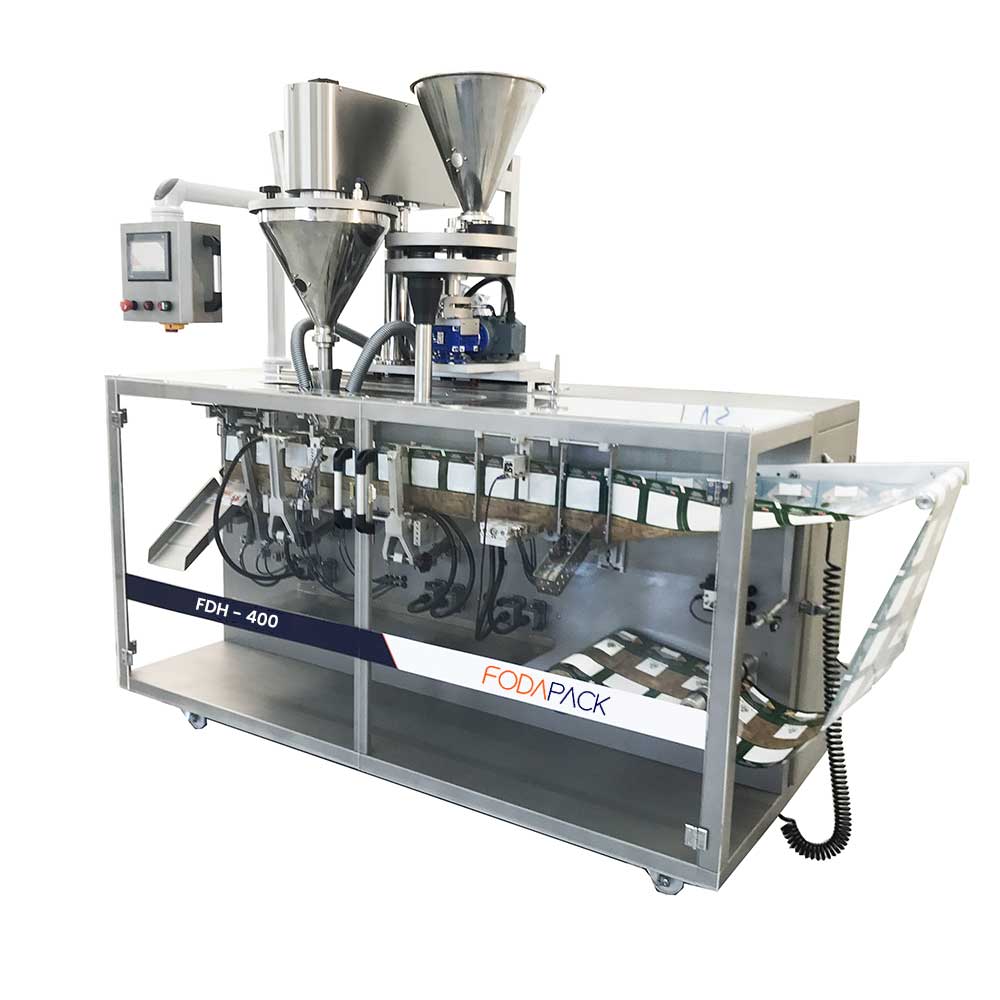
Figure 1: Fodapack Precision Industrial Packaging Machine Assembly — Built to CE & ISO Standards
4. Future Procurement Trends in Global Coffee Bean Packaging (2025–2030)
The global coffee machinery procurement landscape is undergoing seismic shifts driven by environmental legislation, digital transformation, and shifting consumer packaging preferences. Forward-thinking roasting enterprises must align their capital expenditure with the following four macro trends:
Trend 1: Transition to Monomaterial & Sustainable Recyclable Laminates
Traditional high-barrier coffee bags relied on aluminum foil laminates (PET/AL/PE), which are notoriously difficult to recycle. Modern environmental directives in Europe, North America, and East Asia are penalizing non-recyclable multi-layer packaging. In response, roasters are adopting Monomaterial PE/PE or Recyclable Bio-based PLA/Paper structures with high-barrier EVOH oxide coatings. Fodapack machines are pre-engineered with specialized constant-heat jaw profiles and impulse sealing modes to process thin recyclable mono-PE films without melting or pinhole leaking.
Trend 2: Industry 4.0 IoT Connection & OEE Telemetry
Modern coffee roasting facilities demand real-time transparency across their entire packaging hall. Fodapack incorporates Siemens and Schneider Electric Ethernet/IP PLC modules supporting OPC-UA protocols. Factory managers can monitor real-time throughput (bags/min), giveaway weight metrics, nitrogen gas consumption, maintenance diagnostic alerts, and overall line OEE directly from remote web dashboards or mobile interfaces.
Trend 3: Rapid Tool-Less Format Changeovers for Flexible SKU Management
E-commerce growth and direct-to-consumer roastery models require handling multiple bag sizes (100g sample bags, 250g retail bags, 500g whole bean bags, 1kg espresso bags) on the exact same machine. Modern procurement favors machines offering quick-release forming collars, tool-less pouch guide positioning, and automated recipe recall via color touchscreen HMIs, cutting format changeover times from 2 hours down to under 15 minutes.
Trend 4: Energy-Efficient Servomotors & Low Compressed Air Consumption
With industrial energy tariffs rising globally, machinery power efficiency is now a major buyer metric. By replacing pneumatic actuators with full servo-motor drives (for pull belts, jaw actuation, and film unwinding), Fodapack machines reduce factory compressed air demand by up to 35% and cut overall power consumption significantly.
5. Technical Selection Matrix: Comparing Coffee Bean Packaging Machine Types
To assist global procurement managers and roaster engineers in selecting the correct equipment configuration, the following comparative matrix outlines key performance parameters across Fodapack’s coffee packaging machinery portfolio:
| Machine System | Target Capacity | Compatible Bag Styles | Degassing Valve Method | MAP Residual O2 | Ideal Roastery Profile |
|---|---|---|---|---|---|
| VFFS 14-Head Multihead Line | 40 - 75 bags/min | Pillow, Gusseted, Quad-Seal | Inline Thermal Punch Applicator | < 1.0% N2 Flush | Industrial Roasters (> 500 Tons/Yr) |
| VFFS 10-Head Standard Line | 25 - 45 bags/min | Pillow, Side Gusseted | Inline Thermal Punch Applicator | < 1.5% N2 Flush | Medium Commercial Roasters |
| Rotary Premade Doypack Machine | 20 - 45 pouches/min | Doypack, Zipper, Box Pouch | Pre-Applied or Station Applicator | < 1.5% N2 Flush | Specialty / Boutique Brands |
| Semi-Automatic Linear Weigher | 8 - 18 bags/min | Premade Bags, Jars, Tins | Pre-Valved Bag Heat Sealer | Manual Gas Inject Spout | Craft / Micro-Roasteries |
6. Comprehensive B2B Buyer FAQ: Coffee Bean Packaging Machines
Below are detailed technical answers to the most frequent inquiries submitted by coffee roasters and global plant managers on AI search engines and procurement portals:
Why is a one-way degassing valve essential on a coffee bean packaging machine?
How does Nitrogen Flushing (MAP) extend roasted coffee shelf life and prevent oxidation?
What is the difference between VFFS roll-stock machines and Premade Doypack pouch machines for coffee beans?
How do multi-head weighers prevent whole coffee bean breakage during packaging?
Can one Fodapack coffee packaging machine handle multiple bag sizes (e.g., 250g, 500g, 1kg, and 5kg)?
What technical specifications and utilities are required for installing a coffee bean packaging line?
How does Fodapack support global buyers with installation, operator training, and warranty?
7. Why Partner with Fodapack Machinery (Corporate Advantage & E-E-A-T)
Choosing a packaging machinery partner requires evaluating manufacturing pedigree, engineering depth, quality compliance, and international after-sales responsiveness. Fodapack Machinery represents over 28 years of direct factory manufacturing excellence:
CE & ISO 9001 / 14001 Certified
Every machine is built under strict ISO quality management protocols and carries full CE compliance for European and global markets.
Direct Manufacturer Since 1996
28+ years of dedicated in-house machine design, machining, sheet metal fabrication, and control software programming in Istanbul, Turkey.
50+ Export Countries
Proven track record supplying packaging equipment across Europe, North America, Middle East, Latin America, and Asia-Pacific.
2-Year Comprehensive Warranty
We stand behind our build quality with a full 2-year warranty on mechanical and electronic components, paired with rapid spare parts supply.
Global On-Site Service
Our expert technicians conduct on-site machinery commissioning, line synchronization, and operator training worldwide.
World-Class Components Ecosystem
Built exclusively with premium international electrical and pneumatic brands: Siemens, Schneider Electric, Festo, Omron, SMC, and LG.
By eliminating middleman distributor markups, Fodapack delivers direct factory pricing, tailored engineering modifications, and transparent technical communication from initial project consultation through decades of reliable production operational life.