Packaging Machinery Insights & Knowledge Hub
Knowledge Center

Packaging Machinery Blog & Insights

Expert technical guides, machine buying advice, cost analysis, and industrial updates.
Stick Pack and Sachet Machine Articles
Buyer Guides

Comprehensive Machinery Purchasing Guides

VFFS and Sachet Machine Technology
Industry News

Packaging Automation Trends & Innovations

0%

Choosing the right Doypack Pouch Filling Machine is not simply a matter of comparing speeds. It is a production decision involving pouch dimensions, product behavior, filling accuracy, sealing quality, and future capacity. A machine that performs beautifully with free-flowing rice may struggle with sticky sauces or delicate powders. That difference appears quickly on the factory floor.

Dr. Susan E. M. Selke, a respected packaging specialist and professor emerita at Michigan State University, has emphasized a practical principle: “Packaging must protect the product while supporting efficient production.” This idea matters when evaluating a Doypack Pouch Filling Machine. The equipment should protect the pouch during opening, filling, and sealing. It should also reduce spills around the stainless-steel work area. Small details matter.

Begin with the product. Check viscosity, particle size, temperature, dust, and filling weight. Then examine pouch width, height, zipper position, and material structure. A machine designed for standard pouches may need adjustment for spouted or shaped formats. Confirm whether the dosing system uses augers, pumps, weighers, or volumetric cups. Each option creates different accuracy and cleaning demands.

Speed can mislead. Faster is not always better. A slower, stable line may produce fewer rejected pouches and less wasted material. Ask suppliers for trial results using your actual product and packaging. Request evidence of changeover time, seal strength, cleaning access, and operator training.

There is no perfect choice. That is the uncomfortable part. Equipment decisions can still be improved through testing, measured data, and honest evaluation of future production needs.
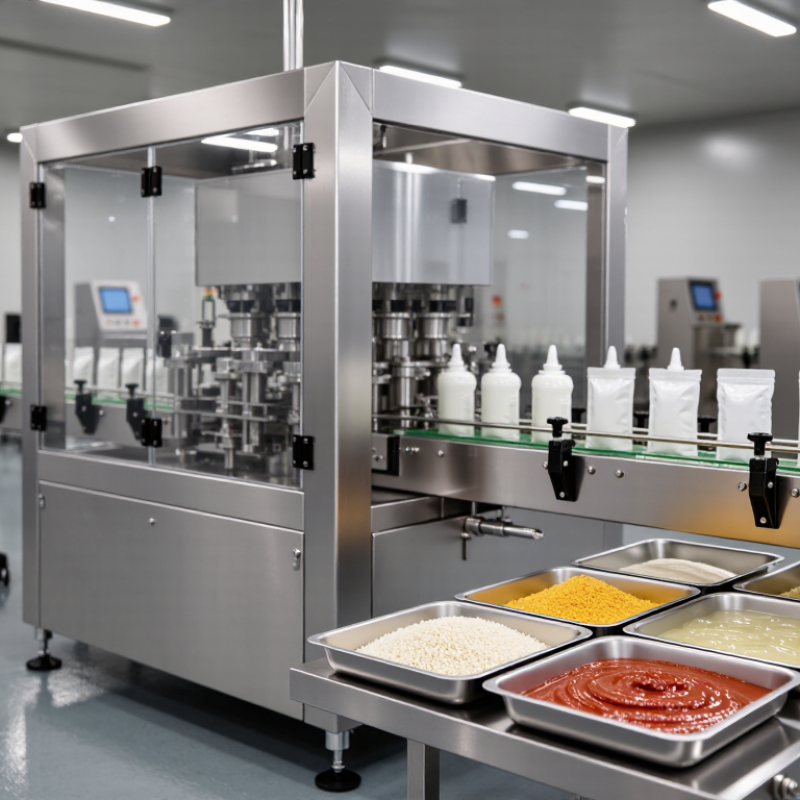
How to Choose a Doypack Pouch Filling Machine

Define Product and Packaging Requirements

Before comparing machine speeds, define how your product behaves during filling. Powder may bridge above a hopper, while coarse granules can settle unevenly. Liquids may foam, drip, or vary in viscosity with temperature. Note particle size, bulk density, flowability, and whether the product contains oil or fragile pieces. Small details matter. Test representative batches, not just a convenient sample; a machine that handles one sample smoothly may struggle with normal production variation.

Specify the pouch itself in measurable terms: width, height, gusset depth, film structure, and thickness. Include any zipper, spout, or tear notch, since these features affect opening and sealing. Decide the target fill weight and acceptable variation, then allow enough headspace for clean sealing and easy handling. Check that the pouch stands steadily when filled. It sounds obvious, but it is often overlooked. Record the required output rate, pouch-size range, and expected changeover frequency. If possible, run trials with the actual product and packaging material. Inspect seals, fill consistency, and rejected pouches. Some requirements may change after testing; leave room to revise them.

Match Pouch Specifications with Machine Compatibility

A doypack machine must fit the pouch you actually plan to run, not just a nominal size on a specification sheet. Check pouch width, height, bottom gusset, and thickness against the machine’s gripping range and magazine opening. A pouch that is slightly wider may load poorly; one with a narrow gusset may not stand open reliably. Small details matter.

Then check the opening and closure. Zippers, spouts, tear notches, and shaped tops can affect pouch opening, filling access, and sealing. Confirm that the machine’s grippers leave enough clearance for these features. Match the sealing jaws to the pouch’s material and seal area, too. A laminated pouch may need different temperature, pressure, and dwell-time settings than a thinner structure. Ask for a test using your actual pouch material.

Run samples with the intended product and fill weight. Watch whether the pouch opens fully, stays upright, and reaches the filling nozzle without shifting. Powder can cling to the seal zone; thick sauces may need a wider filling path. Check finished seals and repeat the test across several pouch sizes if formats will change. A spec sheet can look complete and still miss one awkward detail: real pouches vary slightly between production lots. Leave adjustment room, and confirm those settings before committing to a machine.

Compare Filling Systems and Production Capacity

A doypack pouch filling machine should match the product, not just the package shape. Volumetric cup fillers suit free-flowing granules, while auger systems handle powders. Piston or pump fillers are often better for pastes and liquids. For irregular solids, a multihead weigher can improve portion consistency. Still, particle size, viscosity, and foaming can change results. Test with your actual product.

Production capacity means more than the advertised bags per minute. Pouch loading, fill weight, changeovers, cleaning, and rejected seals all affect usable output. A machine rated for 40 pouches per minute may run slower with sticky sauce or frequent pouch-size changes. Compare semi-automatic and fully automatic systems against your average demand and peak orders. Ask for a timed trial using your pouch and product, then check fill accuracy and seal quality. The trial may not reflect every shift, so leave room for variation.

Tips: Bring sample pouches. Record good sealed pouches per hour, not theoretical cycles. Check how quickly operators can change sizes and clean contact parts. Film stiffness can affect pouch opening and transfer—a small detail that is easy to overlook.

Evaluate Accuracy, Hygiene, Automation, and Maintenance

A doypack filler should match the pouch, product, and target fill weight. During a trial, run your actual pouch film and product, then weigh samples across the full production run. Check average weight and variation, not just one perfect pouch. Accuracy matters.

Hygiene depends on accessible product-contact parts, smooth surfaces, and quick changeovers. Ask operators to open the filling area and show how they clean around nozzles, seals, and product buildup. A machine can look tidy in a showroom. That proves little. Confirm cleaning time and restart consistency with your own team.

Automation should reduce repetitive adjustments without hiding faults. The International Federation of Robotics reported 4.28 million industrial robots operating worldwide in 2023, a 10% rise from 2022. This signals wider automation, but not every line needs more robotics. For maintenance, inspect tool-free access, spare-part availability, alarm history, and the time needed to replace seals. Deloitte and the Manufacturing Institute estimated that 1.9 million U.S. manufacturing jobs could go unfilled by 2033. Easier servicing may help when technicians are scarce. I would still question a fast sales demonstration; real changeovers are slower, and sometimes messy.

Verify Supplier Support, Safety Standards, and Total Cost

When evaluating a doypack pouch filling machine, ask what support begins after delivery. Request a written commissioning plan, operator training, and a clear response-time commitment. Check whether technicians can help remotely and visit your site when needed. Ask for manuals, wiring diagrams, and a recommended spare-parts list before signing. Small items, such as sealing jaws or sensors, can stop production when replacements are not available.

Safety deserves a practical review, not just a certificate in a sales folder. Inspect guards, interlocks, emergency stops, and access around the filling and sealing stations. Ask the supplier to explain the machine’s risk assessment and identify standards relevant to your location and application. Then compare the full cost of ownership. Include installation, training, change parts for different pouch sizes, cleaning time, utilities, and planned maintenance. A lower purchase price may hide costly setup or downtime. It is easy to focus on the quoted speed; real output also depends on product flow, pouch quality, and operator skill. Ask to test your actual product and packaging, and record the results. Some assumptions will still be wrong. That is why a realistic trial and a transparent support agreement matter.

FAQS

What product details should be checked before choosing a pouch filling machine?

Check particle size, bulk density, flowability, viscosity, oil content, and fragile pieces. Test the real product. Powder may bridge, while coarse granules may settle unevenly.

Which filling system suits different product types?

Volumetric cups often suit free-flowing granules. Auger fillers usually handle powders more effectively. Piston or pump systems can suit pastes and liquids. Multihead weighing may improve portions of irregular solids.

Why is actual product testing necessary?

A machine may handle one sample smoothly but struggle with normal production variation. Use representative batches, not only convenient samples. This detail is easy to underestimate.

What pouch measurements should be defined?

Record pouch width, height, gusset depth, film structure, and film thickness. Include zippers, spouts, and tear notches. These features can affect opening, transfer, and sealing.

How should fill weight and headspace be determined?

Define the target fill weight and acceptable variation. Leave enough headspace for clean sealing and easier handling. Check whether the filled pouch stands steadily. It sounds obvious.

Does the advertised speed show real production capacity?

Not completely. Loading, cleaning, changeovers, fill accuracy, and rejected seals reduce usable output. A machine rated at forty pouches per minute may run slower with sticky sauce.

How can machine performance be compared fairly?

Request a timed trial with the actual product and pouch material. Record good sealed pouches per hour, rather than theoretical cycles. Inspect fill consistency, seal quality, and rejected pouches.

What operating details should be reviewed during a trial?

Check size-change time, cleaning time, contact-part access, and pouch transfer. Film stiffness can affect pouch opening. The trial may not represent every shift, so allow practical capacity margin. I would stay flexible.

Conclusion

Choosing the right Doypack Pouch Filling Machine starts with understanding the product and packaging requirements. Consider the product’s texture, flow characteristics, and handling needs, along with the required pouch size, material, shape, and closure. Confirm that the machine can reliably accommodate the pouch specifications and any options needed for filling and sealing.

Next, compare filling systems and production capacity to find a suitable balance between output and flexibility. Evaluate filling accuracy, hygienic design, automation features, ease of cleaning, and routine maintenance needs. Before making a decision, review the supplier’s technical support, training, spare-parts availability, and applicable safety standards. Finally, consider the total cost of ownership, including installation, operation, maintenance, and future production requirements, rather than focusing only on the initial purchase price.


Avery

Avery

Avery is a skilled marketing professional with a deep understanding of the company’s products, customers, and market landscape. With a strong ability to translate complex product features into clear, practical value, Avery helps audiences understand how the company’s solutions can support more......