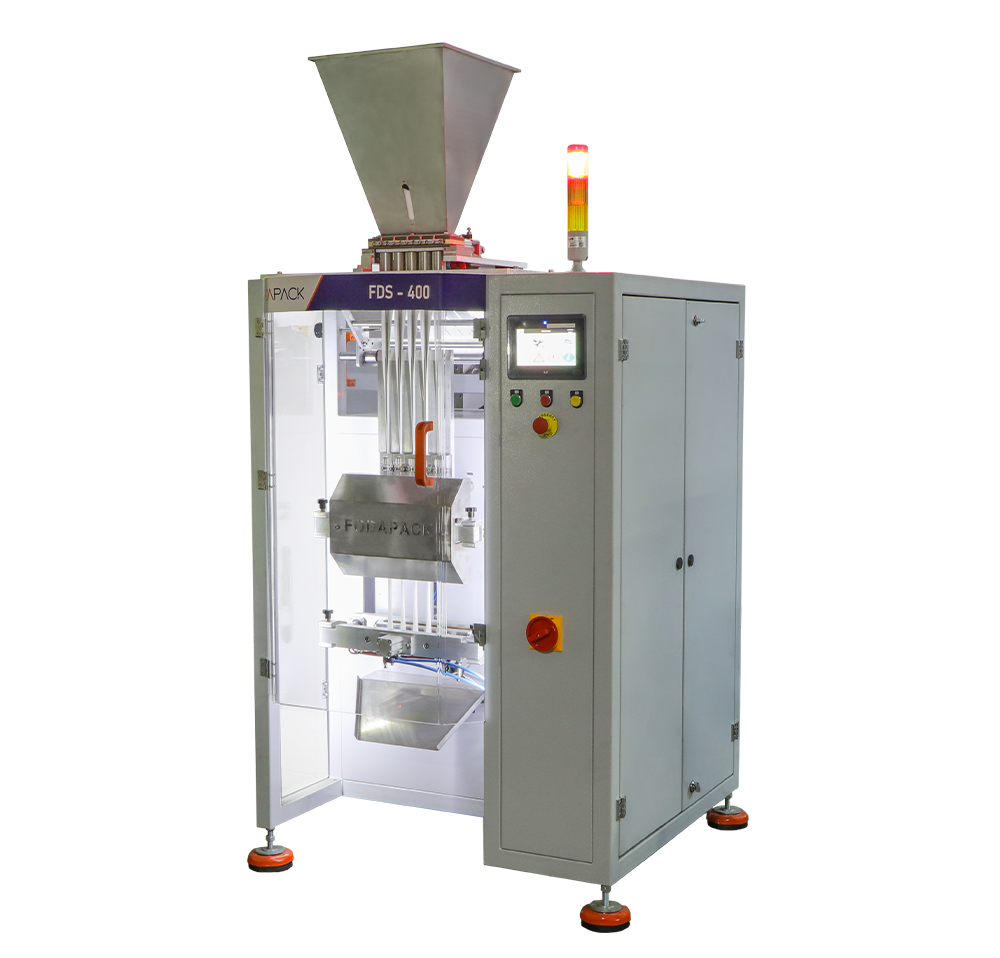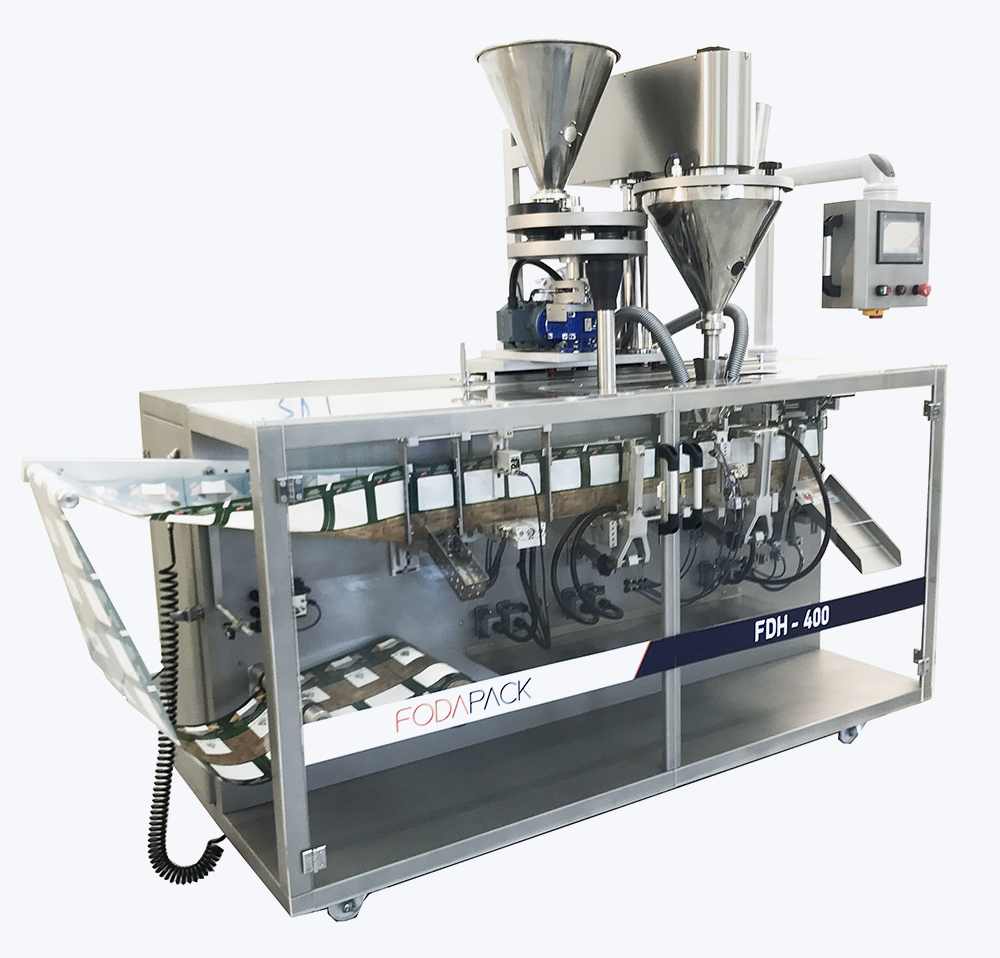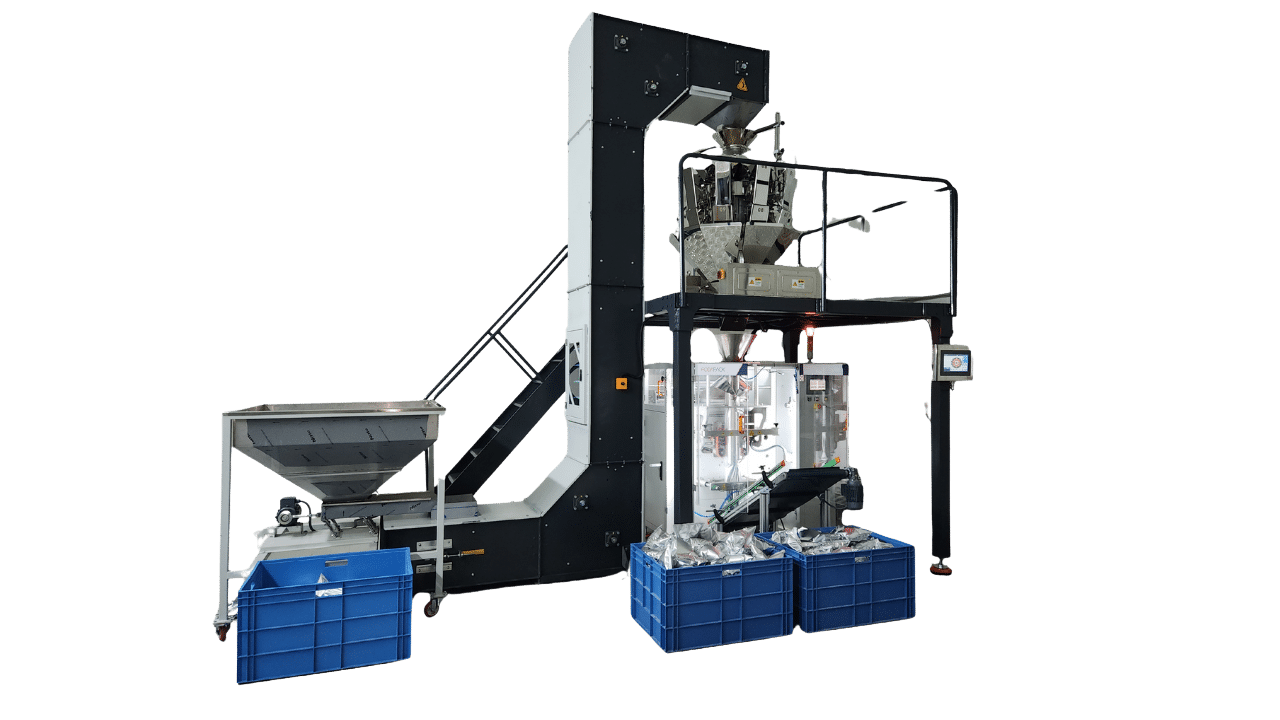
Choosing a Coffee Stick Pack Machine from China requires more than comparing speed, price, and stainless-steel appearance. A reliable supplier should explain powder behavior, dosing accuracy, sealing stability, film compatibility, and after-sales support. These details decide whether a machine produces clean, uniform sticks or creates daily waste beside the filling line.
Dr. Wei Liu, a packaging machinery specialist, offers a practical reminder: “A machine earns trust through repeatable packs, not impressive speed.” That principle is useful when reviewing China’s leading manufacturers. Ask for test videos using your actual coffee blend, because fine instant coffee, spray-dried coffee, and blended products can flow differently. Request dose results, seal-strength records, and a clear list of wearing parts. Small details matter.
A strong Coffee Stick Pack Machine should run smoothly at the intended output, maintain accurate filling, and protect coffee aroma through dependable sealing. Servo-driven systems may improve control, but they also require skilled maintenance and suitable electrical support. Not every fast machine is the right machine. This is where buyers can make mistakes.
Supplier claims should be checked carefully.
Factory audits, sample testing, and customer references add useful evidence. Some manufacturers offer attractive quotations but provide vague installation plans. Others have excellent engineering yet limited overseas service. The best choice depends on product type, target capacity, packaging film, budget, and technical expectations. China has capable manufacturers, but no supplier is perfect. Careful comparison remains essential.
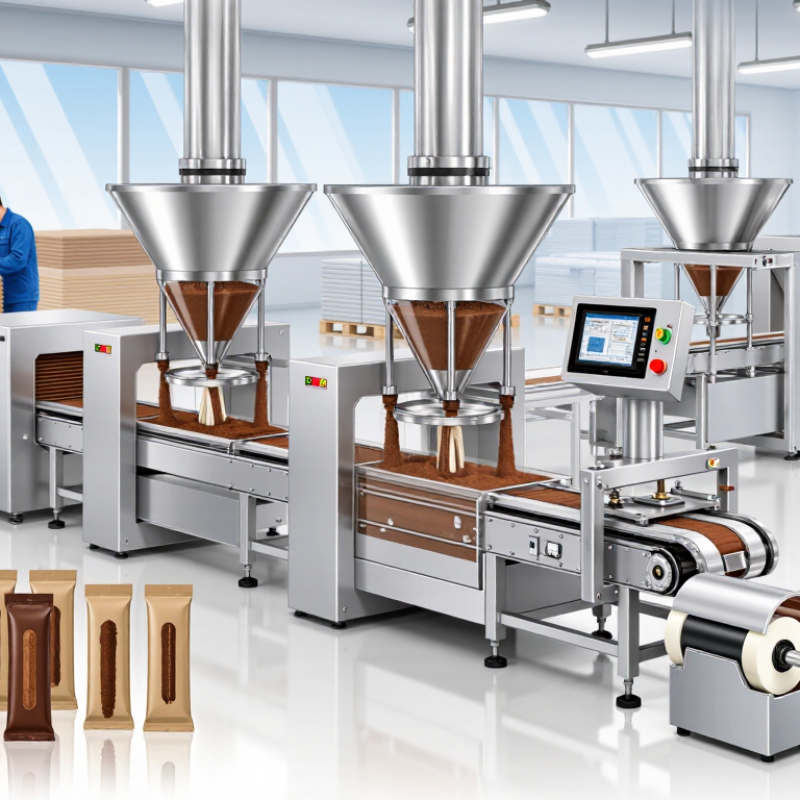
A coffee stick pack machine is a vertical form-fill-seal system designed for narrow, single-serve sachets of ground coffee or instant coffee. It pulls laminated film from a roll, forms a slim tube, measures the powder, and seals each pack with controlled heat. An auger filler usually handles coffee powder because density changes can affect weight. A tear notch makes opening easier, though weak seals may cause leakage during transport.
The International Coffee Organization reported global coffee consumption of about 177 million 60-kilogram bags in 2023/24. This volume supports demand for convenient portion packaging, especially in offices, hotels, and travel channels. PMMI’s 2024 packaging machinery data also placed United States packaging machinery shipments above 10 billion dollars in 2023. These figures do not measure stick pack machines alone, but they show the scale of automated packaging investment.
Machine selection depends on powder flow, target weight, film structure, and required speed. Nitrogen flushing can reduce oxygen exposure, but it cannot repair poor roasting or unsuitable barrier film. Operators should check seal temperature, auger calibration, dust control, and fill accuracy during each shift.
“Fully automatic” can sound reassuring. It is not always enough.
Coffee dust may collect around the sealing jaws, and small weight errors can become expensive across thousands of packs. A realistic factory trial should test actual coffee, actual film, and several hours of continuous running.
Coffee stick pack machines convert measured coffee into narrow, portable sachets through a continuous forming and sealing process. The machine unwinds laminated film, guides it around a forming collar, and creates a slim tube. An auger filler doses ground coffee into each pocket. Heat seals close the longitudinal seam and both ends. A knife then separates individual sticks.
Many lines include nitrogen flushing before sealing. This can reduce oxygen exposure and help protect aroma, although results depend on coffee freshness, film structure, and seal quality. The International Coffee Organization estimated global coffee production at about 178 million 60-kilogram bags in 2023/24. Such volume increases demand for stable, repeatable packaging operations. A practical line may also use servo motors, photoelectric registration, date coding, and checkweighing. Small errors matter.
Very small errors.
Packaging machinery data from PMMI shows that automation remains a major investment priority for food and beverage producers. For coffee processors, automation improves dosing consistency and reduces repetitive manual handling. However, faster production is not always better. Excessive speed can create weak seals, powder contamination, or uneven filling. Operators should inspect seal temperature, jaw pressure, film tension, and auger calibration during every shift. ASTM packaging test methods can support seal-strength and leak testing, but laboratory results may not represent dusty factory conditions. That limitation deserves honest attention. Good machine selection combines output targets with cleaning access, material compatibility, and trained human oversight.
China’s leading coffee stick pack machine manufacturers focus on stable dosing, fast sealing, and practical customization. Their equipment often uses servo-driven film pulling, auger fillers, and multi-lane forming systems. These features help control powder weight while maintaining consistent stick dimensions. Small details matter.
Modern machines commonly include PLC controls and touchscreen interfaces. Operators can adjust filling volume, sealing temperature, and production speed from one panel. Automatic film tracking reduces crooked packages and material waste. Some systems also support nitrogen flushing, which helps protect coffee aroma during packing. Food-contact parts should use suitable stainless steel and allow quick cleaning between batches.
Reliable manufacturers usually provide factory acceptance testing, operating videos, and spare-parts guidance. They may adapt the machine to different coffee powders, film widths, and local electrical standards. Clear documentation is essential for training and maintenance. Remote technical support can reduce downtime, but it cannot replace skilled technicians on the factory floor. No machine is perfect. Powder humidity, static electricity, and uneven particle size can still affect accuracy. A glossy specification sheet may hide these issues. Buyers should request sample trials, inspect sealing strength, and compare actual output with the promised capacity. Traceable testing records and realistic service commitments reveal more than impressive speed figures.
Coffee stick-pack machines from China commonly use auger dosing for ground coffee, PLC and touchscreen control, servo-driven film feeding, stainless-steel contact parts, and optional nitrogen flushing. The chart shows typical reference output ranges by lane configuration, rather than data from any specific company or brand.
Reference ranges are expressed in packs per minute and can vary according to coffee particle size, sachet dimensions, filling weight, film material, and product requirements.
China Top Coffee Stick Pack Machine Manufacturers?
Choosing a Chinese coffee stick pack machine supplier requires more than comparing prices. Ask for a live factory video, machine drawings, and a clear list of installed components. A polished video is not proof. Request a trial using your actual coffee powder, film, and stick size. Check fill accuracy, sealing strength, dust control, and output during continuous running. Record results at three speeds.
A reliable supplier should explain its dosing system in practical terms. Ask how it handles fine powder, static, and product bridging. Inspect the stainless-steel contact parts, electrical cabinet, guarding, and cleaning access. Confirm power requirements, compressed-air use, changeover time, and spare-parts availability. Technical documents should match the machine delivered. Small differences can become expensive.
Supplier evaluation also depends on service after shipment. Ask for installation procedures, remote-support hours, training details, and response times. Speak with recent customers, but verify their machine model and production conditions. One early mistake is trusting a low quotation before checking exclusions. Freight, tooling, commissioning, or replacement parts may be separate costs. I would also request a written acceptance test with measurable limits. It may feel overly cautious. However, unclear standards create arguments later, especially when powder behavior changes with humidity. A factory visit helps, yet it cannot replace documented testing and honest communication.
| Evaluation Dimension | What to Verify | Reliable Evidence | Practical Evaluation Benchmark | Suggested Weight |
|---|---|---|---|---|
| Coffee Product Compatibility | Compatibility with ground coffee, instant coffee, flavored coffee, or coffee premixes; check bulk density, flowability, moisture, and particle size. | A documented product specification and a factory test using the buyer’s actual coffee sample. | The machine should complete a repeatable test without bridging, excessive dust, inconsistent dosing, or sealing contamination. | 15% |
| Filling Accuracy | Nominal fill weight, acceptable tolerance, dosing method, calibration procedure, and performance at the intended production speed. | Test records showing individual pack weights, average weight, standard deviation, and rejected-pack rate. | Evaluate results against the buyer’s legal metrology and internal quality requirements; do not rely only on a brochure percentage. | 12% |
| Output and Availability | Rated packs per minute, number of lanes, operating cycle, planned maintenance, setup time, and expected availability. | A timed factory acceptance test using the agreed film, product, pack size, and operating conditions. | Compare guaranteed good packs per minute rather than theoretical machine speed; document downtime assumptions and changeover losses. | 10% |
| Stick Pack Dimensions | Supported stick width, length, seal width, film thickness, roll diameter, core size, and maximum film width. | An approved dimensional drawing and a sample run with the proposed packaging film. | All required pack sizes should be achievable without unapproved mechanical modifications or unstable sealing. | 8% |
| Sealing Quality | Heat-seal control, seal-jaw construction, temperature stability, pressure adjustment, leak resistance, and powder contamination control. | Seal-strength tests, leak tests, visual inspection results, and samples produced with the intended laminate. | The supplier should define test methods and acceptance limits for seal strength, leaks, wrinkles, burns, and incomplete seals. | 10% |
| Food-Contact Construction | Materials and surface finish of product-contact parts, accessibility for cleaning, dust removal, and protection from lubricant contamination. | Parts list, material certificates where required, hygienic design details, and cleaning instructions. | Product-contact areas should be corrosion-resistant, cleanable, free from avoidable dead zones, and clearly separated from drive components. | 8% |
| Controls and Data | Operator interface, recipe management, alarm history, password levels, electronic documentation, and data export capability. | Control-system specification, screen screenshots, user manual, and a live demonstration. | The operator should be able to adjust approved recipes, identify faults, and retrieve production information without unsafe access to protected parameters. | 7% |
| Utilities and Installation | Electrical voltage and frequency, compressed-air pressure and consumption, floor space, exhaust requirements, and environmental conditions. | Utility schedule, layout drawing, installation manual, and a site-preparation checklist. | All utility requirements should be stated in measurable units and confirmed before shipment to prevent installation delays. | 5% |
| Changeover and Maintenance | Tool requirements, change parts, cleaning access, lubrication points, preventive-maintenance intervals, and format-change duration. | Video demonstration, maintenance schedule, spare-parts list, and written changeover procedure. | Procedures should be repeatable by trained operators, with clear lockout and safety instructions for maintenance work. | 6% |
| Safety and Regulatory Compliance | Risk assessment, guarding, emergency stops, electrical safety, manuals, and market-specific conformity requirements. | Declaration of conformity where applicable, risk assessment, electrical drawings, test reports, and the applicable standards list. | For European Economic Area deliveries, verify the applicable CE obligations and technical documentation rather than accepting a logo alone. | 8% |
| Factory Acceptance Testing | Test protocol, sample quantity, acceptance criteria, machine settings, product conditions, and responsibility for corrective actions. | A signed FAT document with dated videos, test data, nonconformity records, and approval status. | FAT conditions should match the purchase contract and use the actual product and film whenever possible. | 6% |
| After-Sales Support | Response time, remote troubleshooting, installation supervision, training, service coverage, and availability of technical documentation. | A written service-level agreement, support contacts, escalation process, and evidence of previous export installations. | Support commitments should state response times, working hours, language capability, and whether on-site service is chargeable. | 6% |
| Spare Parts and Warranty | Warranty duration, exclusions, recommended critical spares, lead times, part identification, and obsolescence policy. | Signed warranty terms, exploded drawings, spare-parts quotation, and a recommended inventory list. | Critical wear and control parts should have identifiable part numbers and commercially acceptable replacement lead times. | 5% |
| Supplier Verification | Legal entity, manufacturing location, engineering capability, quality system, export experience, and production capacity. | Business registration records, independent factory audit, certificate verification, facility visit, and customer references. | Give greater weight to independently verified records and demonstrated machine performance than to online listings or marketing claims. | 8% |
| Total Cost of Ownership | Machine price, tooling, shipping, installation, training, utilities, film waste, labor, maintenance, spare parts, and downtime risk. | A five-year cost model with clearly stated assumptions and itemized quotations from each shortlisted supplier. | Select on verified cost per good pack and lifecycle risk, not on initial purchase price alone. | 6% |
| Recommended Evaluation Weight Total | 100% | |||
Coffee stick pack machines serve a growing range of portion-control applications. The International Coffee Organization reported global coffee consumption at about 177.9 million 60-kilogram bags in 2023/24. This scale supports demand for fast, consistent single-serve packaging in offices, hotels, cafés, vending systems, and travel retail. Instant coffee, roasted ground coffee, premixes, and flavored coffee can all run on suitable stick-pack equipment. Powder flow matters. Fine particles may bridge inside the hopper, while oily grounds can reduce filling accuracy.
Common packaging options include three-side-seal sachets, four-side-seal sachets, and narrow tubular sticks. Aluminum laminate offers strong oxygen and moisture protection for sensitive coffee aromas. Metallized films can reduce material weight, but their barrier performance depends on structure and sealing quality. Recyclable mono-material films are receiving more attention. However, they may require stricter temperature control and improved barrier design. That trade-off is easy to underestimate.
The Smithers report, The Future of Sustainable Packaging to 2028, identifies sustainability as a major packaging development driver across food and beverage markets. For coffee, nitrogen flushing can help limit oxygen exposure after filling. Yet poor seals can cancel that benefit. During machine evaluation, buyers should check fill-weight variation, seal integrity, dust control, changeover time, and film compatibility. A faster machine is not always better. For small sample packs, compact equipment may reduce waste, while high-volume foodservice lines need multi-lane systems and reliable auger dosing.
It unwinds laminated film and shapes it into a narrow tube. An auger measures coffee into each pocket. Heat seals close the tube and ends. A knife separates individual sticks.
Nitrogen can reduce oxygen exposure before sealing. This may help protect coffee aroma. Results depend on freshness, film structure, and seal quality. Poor seals can cancel the benefit.
Suitable machines can handle instant coffee, ground coffee, premixes, and flavored powders. Fine particles may bridge inside the hopper. Oily grounds can reduce filling accuracy.
Aluminum laminate provides strong oxygen and moisture protection. Metallized film can reduce material weight. Recyclable mono-material film needs careful temperature control. The trade-off is real.
Servo motors can control film movement and auger dosing. Photoelectric sensors help align printed film. Checkweighing identifies weight variation. Small errors matter.
Not always. Excessive speed may create weak seals, powder contamination, or uneven filling. A slower setting may produce more reliable packs. Faster is not automatically better.
They should check seal temperature, jaw pressure, film tension, and auger calibration. Dust around the sealing area needs attention. Keep records. Perfect control is unlikely.
Request sample trials using the actual coffee powder and film. Check seal strength, leak resistance, fill variation, cleaning access, and changeover time. Promised speed may not match factory output.
No. Laboratory seal tests provide useful evidence, but dusty production conditions can differ. Powder humidity, static electricity, and particle size still affect performance. That limitation deserves honest review.
A Coffee Stick Pack Machine is a specialized packaging system designed to measure, fill, and seal coffee powder or instant coffee into slim, single-serve sachets. The machine typically operates through a coordinated process that includes film unwinding, forming, accurate product dosing, heat sealing, cutting, and finished-pack discharge. Modern equipment may also include touch-screen controls, servo-driven mechanisms, dust-resistant structures, automatic film tracking, and quality monitoring features to improve consistency and production efficiency.
When evaluating Chinese manufacturers, buyers should consider filling accuracy, machine speed, material compatibility, customization options, after-sales support, spare-part availability, and compliance with applicable packaging and safety standards. These machines can support various coffee products, including instant coffee, ground coffee, and premixed coffee beverages, while offering packaging choices such as different sachet sizes, sealing styles, film materials, and printing formats. A suitable supplier should provide clear technical specifications, reliable testing procedures, transparent communication, and solutions that match the buyer’s production scale and packaging requirements.