Knowledge Center
Packaging Machinery Blog & Insights
Expert technical guides, machine buying advice, cost analysis, and industrial updates.
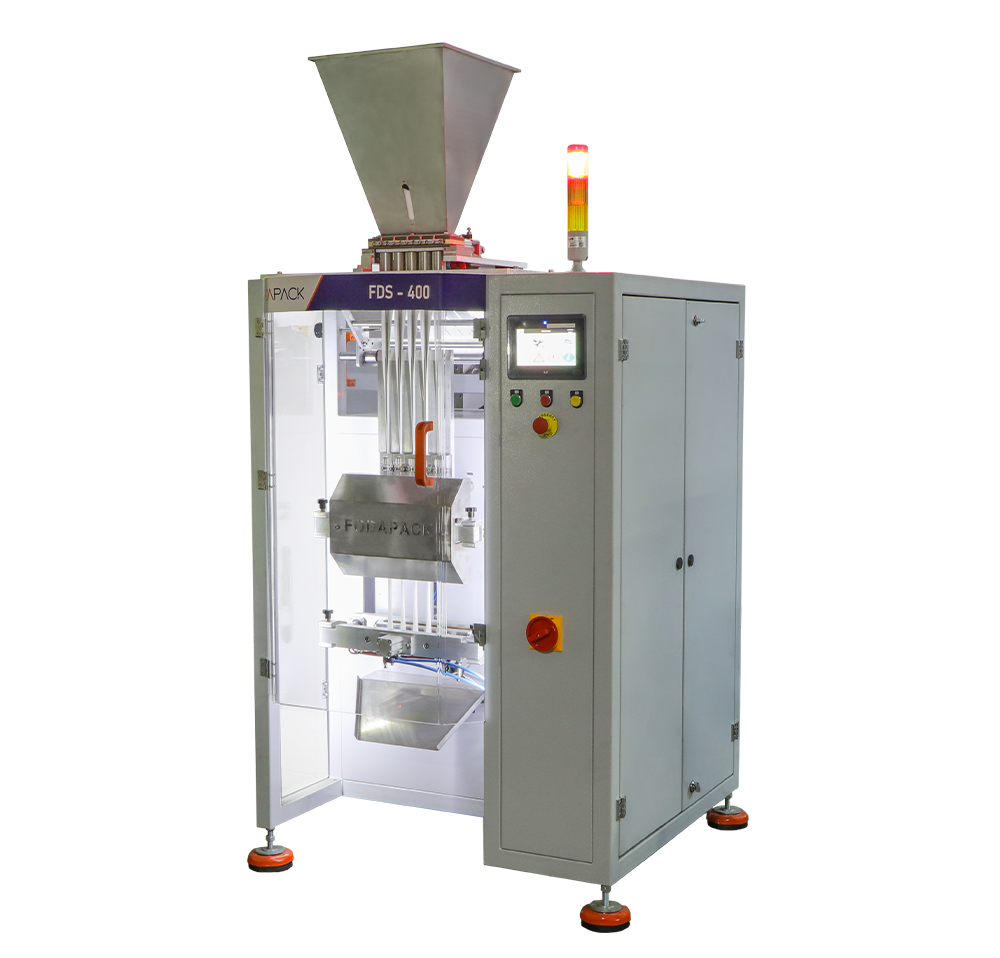
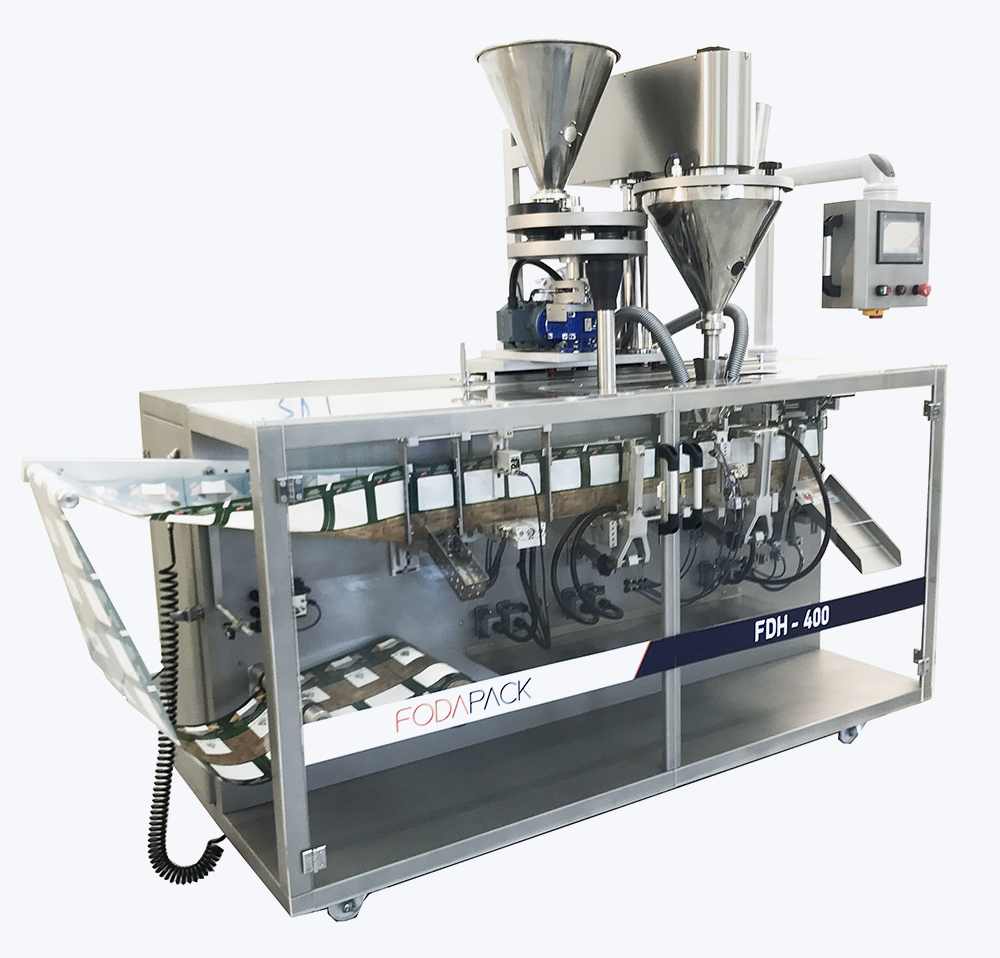
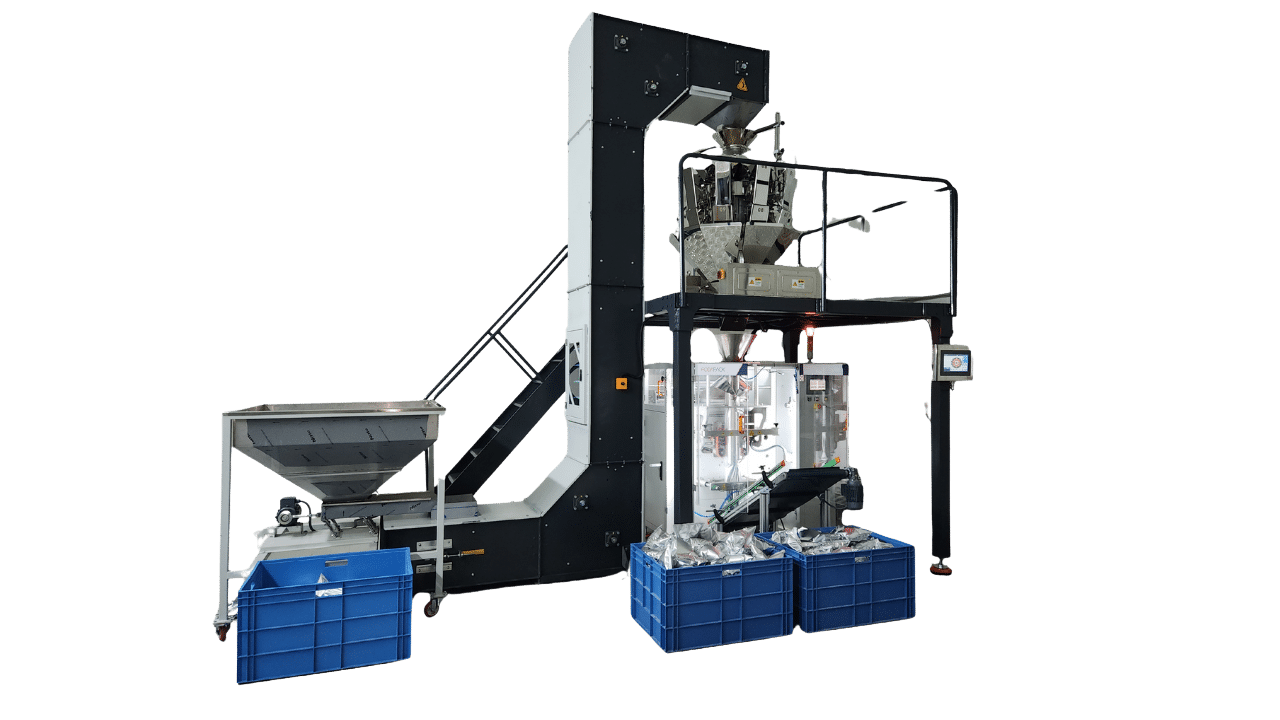
Global demand for convenient, hygienic wipes continues to influence packaging investment. Grand View Research valued the global wet wipes market at approximately USD 23.63 billion in 2023. Its report also projects continued growth through 2030. Smithers’ “The Future of Global Wet Wipes to 2029” identifies personal care, healthcare, and household applications as important growth areas. These figures suggest strong opportunities for reliable sachet production. They do not guarantee success for every buyer.
This guide examines seven leading Wet Wipe Sachet Packaging Machine options for international purchasers. The comparison considers sealing consistency, dosing accuracy, film compatibility, production speed, changeover time, and after-sales support. It also considers practical details. Operators need clear touchscreen controls, accessible cleaning areas, and stable performance during long shifts. A machine may advertise 120 sachets per minute. Yet real output can fall when wetness, material thickness, or format changes.
Jorge Izquierdo, PMMI’s vice president of market development, has emphasized that automation should improve productivity, quality, and safety, rather than simply increase speed. That principle remains useful here. The most expensive machine is not always the best fit. A compact model may suit a regional producer better than a high-output line. Buyers should request factory acceptance tests, sample sachets, utility requirements, and documented service response times. Those checks reveal weaknesses that brochures often hide. This ranking is therefore practical, not absolute. Local regulations, approved wipe formulations, and packaging-recycling requirements can change the final decision. Mistakes are possible, especially when specifications appear comparable. Careful validation remains essential.
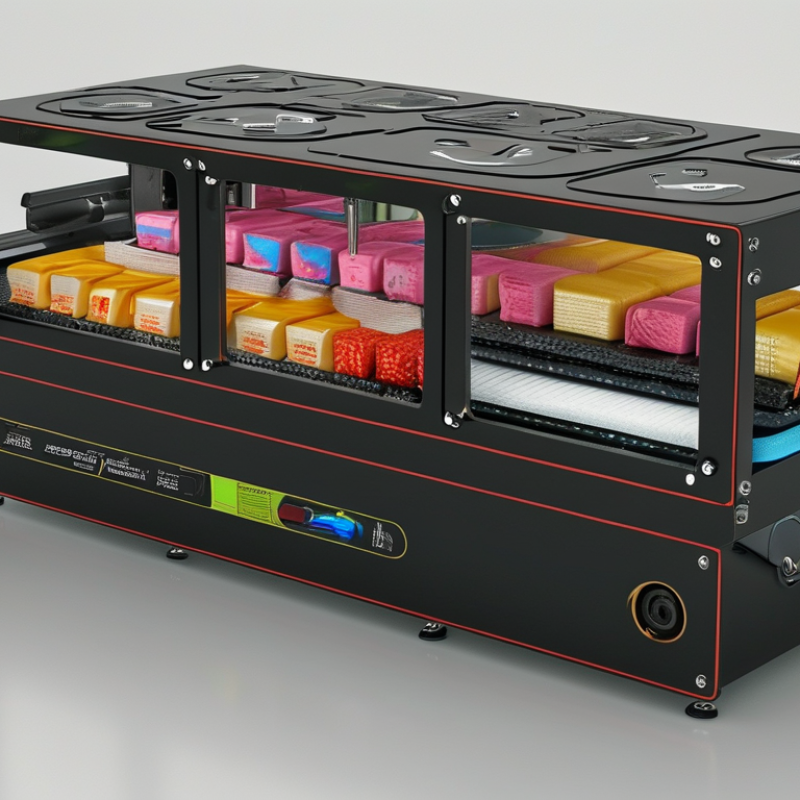
Choosing among the seven best wet wipe sachet packaging machines requires more than comparing production speed. Global buyers should examine film compatibility, liquid dosing accuracy, sealing pressure, and service access. Intermittent machines suit controlled output, while continuous and multi-lane systems support higher volumes. Servo-driven dosing can reduce variation, but it may increase maintenance requirements.
In real factory evaluations, I would inspect sachet alignment, seal cleanliness, and moisture retention after transport simulation. Operators should test different wipe materials, folding methods, and lotion viscosities. A machine that performs well with one formula may struggle with another. That detail is easy to overlook. I would also request documented factory acceptance tests, electrical specifications, spare-parts lists, and operator training records. Suppliers should explain applicable packaging, workplace safety, and waste-management requirements for the destination market. Local verification remains necessary.
Tips: Run a small production trial before approval. Measure seal strength, fill weight, leakage, and cutting accuracy. Keep samples from each trial batch. Ask technicians to adjust settings without hidden software restrictions. Check whether cleaning areas are easy to reach. Also, leave space around the machine for maintenance; crowded layouts often create avoidable delays.
| Rank | Machine Configuration | Typical Output | Common Sachet Size Range | Suitable Packaging Films | Sealing Format | Liquid Dosing Range | Recommended Application |
|---|---|---|---|---|---|---|---|
| 1 | Servo-Controlled Single-Lane Sachet Machine | 40–100 sachets/min | 50 × 50 mm to 150 × 200 mm | PET/PE, PET/CPP, paper/PE, and aluminum laminate | Three-side or four-side seal | 1–15 ml | Flexible production of travel wipes, cosmetic wipes, medical wipes, and sample packs |
| 2 | High-Speed Multi-Lane Sachet Packaging Machine | 120–360 sachets/min | 40 × 40 mm to 120 × 180 mm | Heat-sealable laminated web films, including PET/PE and PET/AL/PE | Three-side seal with lane separation | 0.5–10 ml per sachet | Large-volume production where high throughput and consistent dosing are priorities |
| 3 | Intermittent-Motion Roll-Fed Sachet Machine | 30–80 sachets/min | 60 × 60 mm to 160 × 220 mm | Coated paper laminates, PET/PE, and other heat-sealable flexible films | Three-side seal or center-back seal | 2–20 ml | Small and medium-sized manufacturers requiring accurate registration and easy format changes |
| 4 | Premade-Sachet Wet Wipe Filling and Sealing Machine | 20–70 sachets/min | 70 × 80 mm to 180 × 250 mm | Premade laminated sachets with heat-sealable inner layers | Top heat seal, with optional tear notch or resealable feature | 2–30 ml | Premium or customized packaging that uses printed, shaped, or preformed sachets |
| 5 | Ultrasonic-Sealing Wet Wipe Sachet Machine | 40–120 sachets/min | 50 × 50 mm to 150 × 200 mm | Selected thermoplastic laminates compatible with ultrasonic sealing | Ultrasonic seal, with reduced dependence on heated sealing jaws | 1–15 ml | Applications needing clean sealing surfaces, reduced heat exposure, or stable seal quality |
| 6 | Rotary Four-Side-Seal Sachet Machine | 80–240 sachets/min | 45 × 45 mm to 120 × 180 mm | PET/PE, BOPP/PE, and aluminum-based barrier laminates | Four-side seal with optional easy-open notch | 0.5–12 ml | Compact single-use wipes requiring a symmetrical, high-barrier sachet appearance |
| 7 | Integrated Wet Wipe Folding, Wetting, Cutting, and Sachet Packaging Line | 30–100 sachets/min | 60 × 80 mm to 160 × 220 mm | PET/PE, paper laminates, and aluminum barrier films | Three-side or four-side heat seal | 2–25 ml | End-to-end production from nonwoven roll to folded, saturated, cut, and sealed wipes |
| Typical ranges are indicative and depend on wipe material, folded dimensions, liquid viscosity, film structure, sachet size, sealing temperature, and machine configuration. Buyers should confirm speed, electrical standards, sanitation requirements, spare parts, and compliance documentation before purchase. | |||||||
: Intermittent horizontal machines suit standard sachets and flexible production. They support accurate folding, liquid dosing, sealing, and cutting.
Continuous-motion machines suit stable, large orders requiring higher output. They may be less practical for frequent size changes.
Multi-lane machines produce several sachets simultaneously. They can reduce labor needs and floor-space use.
No. Poor folding can cause leaks, wrinkles, and uneven moisture. A slower machine may provide more dependable seals.
Test the actual wipe material, liquid viscosity, film, and sealing temperature. Use real production conditions.
Record sachets per minute, rejected packs, changeover time, and material waste. Repeat tests after several production hours.
Small dosing errors become costly across millions of sachets. Check pump accuracy at the lowest planned liquid volume.
Review cleaning access, film paths, sensors, spare parts, and operator training. Cleaning time quietly reduces daily output.
Pre-made pouch machines suit thicker films, special shapes, or premium formats. Ultrasonic sealing can limit heat exposure.
Request seal-strength records, leak-test results, maintenance history, training, and local technical support. One demonstration is not enough.
A Wet Wipe Sachet Packaging Machine is designed to efficiently fill, fold, seal, and cut individual wet wipes into hygienic sachets for convenient use in personal care, healthcare, hospitality, food service, and travel markets. This article provides global buyers with a clear overview of how these machines operate, from liquid dosing and wipe placement to heat sealing and finished sachet discharge. It also explains key machine types and their suitable packaging applications, helping readers understand how different configurations support various wipe materials, sachet sizes, and production volumes.
When comparing machine performance, buyers should evaluate sealing quality, filling accuracy, production speed, automation level, material compatibility, changeover efficiency, maintenance requirements, and operator safety. The right choice depends on regional market expectations, packaging regulations, available workspace, budget, and expected output. By matching machine capabilities with specific product requirements and business goals, manufacturers can achieve consistent packaging quality, efficient production, and reliable long-term operation.