High-Performance Automated Packaging Equipment
Explore our versatile, high-accuracy filling and sealing machinery customized for rigid Japanese quality control and modern production lines.
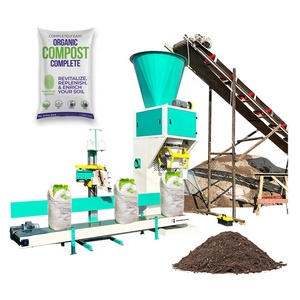
25kg 50kg Mulch Compost Irregular Shaped Pieces Bag Sealing Barite Gypsum Flakes Bagging Machine
Inquire Now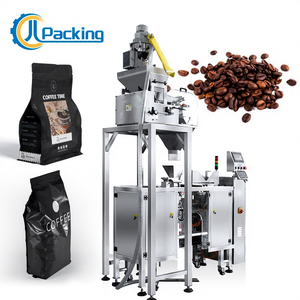
Doypack Multi-Function Pouch Packing Food Rice Grain Coffee Beans Granule Automatic Bag Packaging Machine
Inquire Now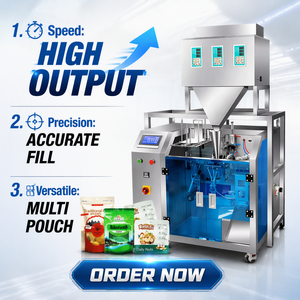
Coffee Beans Gusset Stand-up Bag Pick Fill Seal Vertical VFFS Packaging Machine High-Accuracy Food Grade
Inquire Now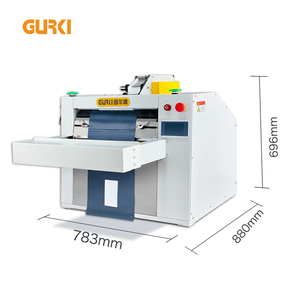
GURKI High Speed Automatic Tabletop Bagging Machine With Wrapping & Gluing Functions For Food Pouch Packaging
Inquire Now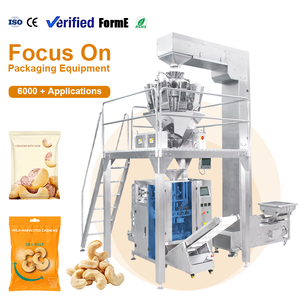
Food Grade Automatic Almonds Cashews Peanuts Packing Machine Back Seal Pillow Bag Gusseted Bag Packing Machine
Inquire Now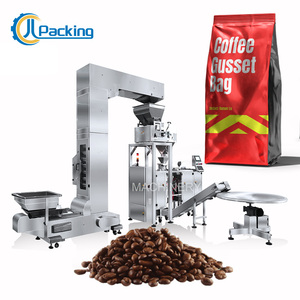
Small Business Doypack Roasted Coffee Bean Gusset Bag Ziplock Pouch Automatic Packing Machine With Date Printer
Inquire Now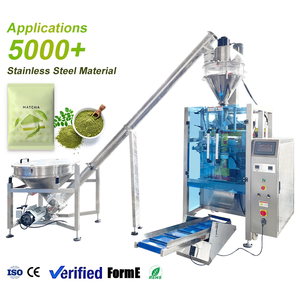
High Precision Automatic Vertical Gusset Bag Matcha Powder Walnut Powder Packing Machine
Inquire Now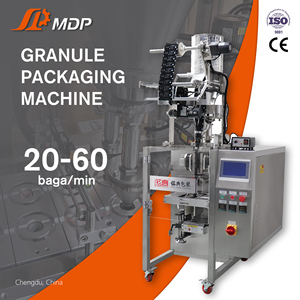
Hot Sale Multi-function Automatic Vertical Granule Packing Machine Pouch Bag Coffee Tea Powder Packaging Machines
Inquire NowNavigating Precision Packaging Requirements in Japan's Industrial Landscape
An in-depth technical analysis on tube filling, sealing technologies, PMDA/JIS compliance standards, and automated line integration for Japanese procurement directors.
Japan’s packaging machinery market is universally recognized as one of the most demanding manufacturing environments in the world. Characterized by strict consumer expectations regarding cosmetic aesthetics, absolute structural seal integrity, zero zero-defect tolerance, and stringent regulatory oversight from the Pharmaceuticals and Medical Devices Agency (PMDA), selecting an ideal Tube Filling and Sealing Machine Manufacturer requires far more than basic operational speed. It demands an engineering commitment to micrometer-level mechanical precision, sanitary cleanroom design, and seamless IoT automation compatibility.
As Japanese cosmetics (J-Beauty), pharmaceutical ointment manufacturers, and chemical adhesive producers face unprecedented domestic labor constraints (driven by aging demographics and Shōkō-gun workforce restructuring), automated high-speed tube filling machinery has transitioned from an operational asset to a strategic necessity. Modern processing lines must accommodate diverse material formats—ranging from traditional aluminum tubes and high-barrier poly-foil laminates (ABL) to eco-conscious mono-material poly-plastics (PBL and PCR-PE)—without sacrificing sealing strength or dosing accuracy.
Information Gain Insight: The Japanese Consumer Zero-Defect Mandate
In the Japanese domestic retail landscape, a microscopic cosmetic defect—such as an uneven tube tail trim, a faint scorch mark from thermal sealing, or a 0.05mm misalignment of the photoelectric eye-mark—can lead to immediate batch rejection by major distributors. Leading machinery manufacturers serving Japan incorporate multi-stage vision inspection systems, optical registration encoders, and cold-cut tail shearing dies to ensure 100% visual and structural compliance.
This whitepaper details the architectural design criteria, thermal sealing mechanics, localized application scenarios, and regulatory frameworks governing automatic tube packaging equipment engineered for Japanese production facilities.
Technical Architecture of Next-Generation Tube Filling & Sealing Machines
At the core of an advanced automatic tube packaging system lies a synchronized rotary indexer mechanism paired with servo-controlled dosing and custom sealing stations. Below is an engineering evaluation comparing the primary tube sealing methodologies utilized in Japanese factory installations:
| Sealing Technology | Compatible Materials | Ideal Viscosity Range | Production Speed (BPM) | Key Advantage for Japan Market |
|---|---|---|---|---|
| Hot Air Sealing System | PE, PP, ABL, PBL, Co-extruded Plastics | Medium to High (5,000 – 150,000 cPs) | 60 – 120 tubes/min | Internal heating preserves external tube graphic print quality without burning or color fading. |
| Ultrasonic Tube Sealing | Eco-Friendly PCR-PE, Mono-materials, Bio-plastics | Low to Extreme High (1,000 – 300,000 cPs) | 40 – 80 tubes/min | Seals directly through product contaminants (oils, pastes) with zero thermal downtime. Ideal for natural skincare. |
| Metal / Aluminum Tube Folding | 100% Pure Aluminum Tubes | High Viscosity / Ointments (10,000 – 250,000 cPs) | 50 – 100 tubes/min | Double or saddle fold with coders ensures total hermetic barrier against light, oxygen, and moisture for PMDA pharmaceuticals. |
| High-Frequency / Impulse Sealing | Laminated Foils & Specialized Barrier Resins | Medium (10,000 – 80,000 cPs) | 40 – 70 tubes/min | Delivers rapid energy pulses for delicate heat-sensitive pharmaceutical gels requiring precise temperature control. |
Dosing Precision and Anti-Drip Nozzle Mechanics
Precision dosing for thixotropic creams, viscous ointments, and abrasive paste products requires custom volumetric piston pumps powered by direct-drive Mitsubishi or Siemens servo motors. To comply with Japanese strict net-weight governance (JIS Z 0200 standards), filling heads utilize a bottom-up diving stroke synchronized with anti-drip blow-off or rotary cut-off valves. This eliminates thread stringing and prevents product contamination of the internal sealing zone—a primary cause of seal failure in high-speed lines.
Servo Tube Orientation
Utilizes Keyence or Banner high-speed optical sensors to locate tube eye-marks within ±0.1mm accuracy, guaranteeing perfectly aligned front-and-back artwork during hot-air tail pressing.
Cleanroom Ready (GMP)
Constructed with SUS316L contact parts and SUS304 structural cladding. Integrates HEPA laminar air flow hoods and negative pressure dust extraction for sterile pharmaceutical production.
Automated Tail Trimming & Coding
Precision pneumatic shearing jaws trim excess plastic tail flash into custom rounded or straight contours while simultaneously embossing batch numbers, expiry dates, or matrix barcodes.
Localized Application Scenarios across Japanese Industries
Machinery installed in Japanese industrial centers—from Shizuoka's pharmaceutical clusters to Osaka's cosmetic manufacturing hubs—must adapt to highly specialized product formulations. Below are the primary application domains where Fodapack tube filling and sealing machinery excels:
1. Japanese Cosmetics & Skincare (J-Beauty)
J-Beauty products emphasize smooth textures, delicate active botanical ingredients, and flawless exterior packaging aesthetics. Tube filling lines serving this market frequently handle facial wash foams, UV sunscreen emulsions, BB creams, and lip treatment gels packaged in small-format PBL tubes (diameter 13mm to 35mm). Our machines incorporate liquid-nitrogen dosing options to eliminate headspace oxygen, preserving natural anti-aging ingredients without artificial preservatives.
2. Pharmaceutical Ointments & Medical Gels
Compliance with Japan's Ministry of Health, Labour and Welfare (MHLW) and PMDA guidelines demands absolute validation traceability. Automatic metal and laminated tube filling systems are equipped with 21 CFR Part 11 compliant audit trail software, automatic rejection systems for under-filled tubes, and validation documentation packages (IQ/OQ/PQ). Common applications include dermatological steroidal ointments, ophthalmic gels, and oral care pastes.
3. Food Processing & Specialized Condiments
Japan’s food sector makes extensive use of squeeze tubes for traditional condiments such as premium grated *wasabi*, raw garlic paste, ginger paste, and condensed milk. Packaging machinery engineered for food plants features Sanitary Quick-Clean (CIP/SIP) disassembly manifolds, enabling complete washdown and product changeover in less than 30 minutes to prevent cross-allergen contamination.
4. Industrial Chemical Sealants & Technical Adhesives
High-density industrial compounds—including single-component silicone sealants, anaerobic threadlockers, thermal grease for electronics, and epoxy resins—require reinforced heavy-duty piston pumps capable of exerting up to 8 bar of hydraulic feeding pressure. Specialized anti-corrosive coating options protect mechanical components from aggressive chemical vapors.
Localized Development Trends & Sustainability Mandates (2025–2030)
The Japanese packaging industry is undergoing a structural transition toward environmental sustainability and smart factory digitization. Overseas and domestic suppliers must align their machine capabilities with these emerging vectors:
Mono-Material & PCR Recycling
Japan’s Resource Circulation Act for Plastics encourages brands to transition from multi-layer foil tubes to 100% recyclable mono-PE or plant-based sugarcane plastics. Ultrasonic sealing stations are increasingly favored because they deliver strong, clean seals on heat-sensitive recycled resins without burning.
IoT Integration & Remote Diagnostics
Japanese automated facilities mandate real-time OEE monitoring, predictive maintenance alerts, and OPC-UA / Modbus TCP communication protocols. Machinery equipped with Omron or Siemens PLC systems allows engineers to analyze seal pressure curves and temperature telemetry remotely.
Space-Saving Modular Footprints
Factory real estate in key Japanese industrial zones (Tokyo, Kanagawa, Aichi) commands high overhead costs. Compact monoblock tube filling and cartoning lines integrate tube feeding, orientation, filling, sealing, coding, and box cartoning into a streamlined 3-meter footprint.
Frequently Asked Questions for Japanese Procurement Teams
Direct answers to technical, regulatory, and logistics queries commonly raised during factory acceptance testing (FAT) and supplier evaluation.
How do your machines guarantee zero-leakage seals for low vs high-viscosity formulations?
Our tube filling lines utilize a dual-stage sealing strategy. For plastic/ABL tubes, we implement Leister hot-air blowers that soften the inner PE wall while keeping the outer layer intact, followed by chilled water-cooled crimping jaws (regulated at 8°C to 12°C). For liquid or volatile products, optional ultrasonic sealing cuts directly through product residues to create a molecular bond, eliminating air channels or leakage risks.
Can Fodapack tube filling lines comply with PMDA GMP validation protocols?
Yes. All machines intended for pharmaceutical or clinical cosmetic applications are built in full compliance with cGMP standards. We furnish complete validation documentation, including Design Qualification (DQ), Installation Qualification (IQ), Operational Qualification (OQ), and Performance Qualification (PQ) protocols, along with material mill certificates for all SUS316L product contact zones.
What is the typical changeover time for switching tube diameters (e.g., Φ13mm to Φ50mm)?
Thanks to tool-free quick-release pucks and digital position indicators on filling nozzles, a complete changeover between different tube diameters and length formats can be accomplished by a trained technician in 20 to 30 minutes. Recipe parameters for temperature, orientation timing, and stroke volume are stored directly in the HMI touchscreen.
How are bio-based or recycled PCR plastic tubes processed without heat distortion?
PCR plastics often possess inconsistent melt flow indices (MFI). Our machines utilize closed-loop PID digital temperature controllers from Omron paired with servo-driven sealing jaw pressure sensors. This allows micro-adjustments to dwell time and heat output dynamically, ensuring consistent seal strength without warping delicate eco-materials.
What technical support, spare parts availability, and warranty do you offer in Japan?
We provide a comprehensive 2-year manufacturer warranty on all major mechanical and electrical components. Critical electrical hardware is standardized on globally accessible brands (Schneider, Siemens, SMC, Festo, Omron), allowing immediate off-the-shelf part replacement in Japan. Additionally, our certified engineers offer remote video support and dispatch technical support for on-site commissioning.
Can these tube filling machines be integrated directly into downstream cartoning lines?
Absolutly. Our monoblock tube filling systems feature synchronized transfer arm mechanisms or robotic pick-and-place units that feed sealed tubes directly into automatic horizontal cartoning machines, leafleting units, or checkweighers for complete end-of-line automation.
Why Leading Global Manufacturers Partner with Fodapack
Combining 28+ years of engineering heritage, CE & ISO certifications, and direct factory-direct custom design.
Established Manufacturing Heritage (Since 1996)
With over nearly three decades of specialized experience in vertical form fill seal (VFFS), sachet, stick pack, and tube packaging machinery, Fodapack brings extensive engineering expertise to solve complex liquid, powder, and paste filling challenges.
ISO 9001, ISO 14001 & CE Certified
Every packaging machine is built under strict ISO quality management protocols and carries authentic European CE certification, guaranteeing total compliance with international electrical, mechanical, and operational safety directives.
First-Tier Global Component Architecture
We build our machines using world-class automation components—including Siemens PLC HMI, Schneider Electrics, SMC & Festo pneumatics, and Omron sensors—ensuring high reliability, long operational life, and easy local spare parts sourcing in Japan.