Industrial Rice & Grain Packaging Machine Solutions
Explore our CE & ISO certified automated filling, sealing, and bagging machinery optimized for parboiled rice, polished white grain, and agricultural products across Nigeria.
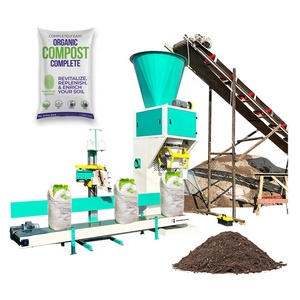
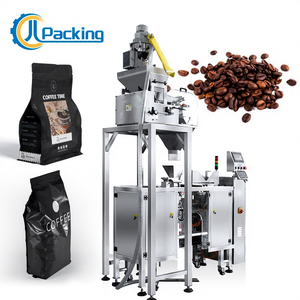
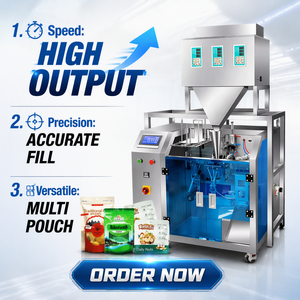
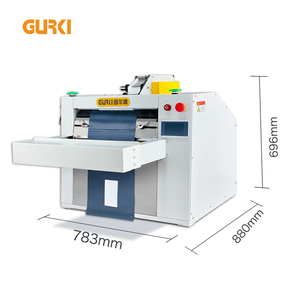
Nigeria’s Agricultural Transformation & Demand for Modern Rice Packaging Technology
Nigeria stands as the largest rice producer in Africa, generating over 5 million metric tons of milled rice annually. Spurred by national initiatives such as the Presidential Rice Initiative and government interventions prioritizing self-sufficiency, large-scale commercial milling hubs have surged across key agricultural zones including Kebbi, Kano, Ebonyi, Niger, Jigawa, and Benue states. However, while domestic paddy processing capacities have expanded rapidly, a critical operational bottleneck remains: end-of-line packaging speed, volumetric dosing precision, and bag protection against tropical storage degradation.
Historically, Nigerian rice processing relied heavily on manual volumetric bucket filling, hand-guided bag sewing, and non-standardized woven sack weights. This outdated operational model inflicts severe profitability losses on millers due to product giveaway (overfilling), high labor overheads, slow throughput during peak harvest cycles, and severe moisture ingress leading to premature mold growth and pest infestations in humid regional transit hubs like Lagos, Port Harcourt, and Onitsha.
Strategic Insight for Nigerian Mill Owners: Transitioning from manual off-loading to automated gross-weight or net-weight electronic bagging systems cuts grain giveaway from 2.5% per bag down to less than ±0.2%, generating an immediate cost recovery within 4 to 6 months of continuous mill operation.
Shift in Local Market Intent: From 50kg Bulk Bags to Retail Ready Micro-Pouches
Consumer buying power and urban retail dynamics in metropolitan centers such as Abuja, Lagos, and Ibadan are driving a structural shift in packaged rice formats. While 50kg and 25kg woven polypropylene (PP) sacks dominate wholesale grain markets like Bodija Market in Ibadan or Dawanau International Grain Market in Kano, modern supermarket chains (Shoprite, SPAR) and middle-income households increasingly demand 1kg, 2kg, 5kg, and 10kg premium laminated pouches with stand-up gussets, re-sealable zippers, and high-clarity window displays.
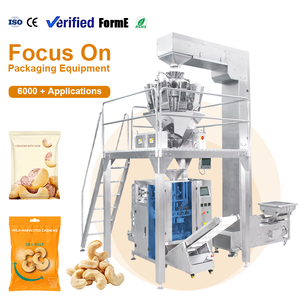
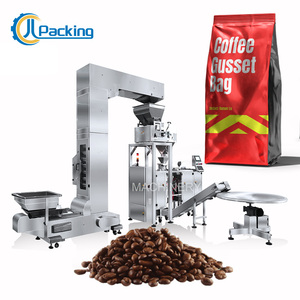
Fodapack Machinery’s specialized rice packaging portfolio bridges this exact market gap. By integrating industrial-grade 25kg/50kg open-mouth electronic bagging scales alongside high-speed Vertical Form Fill Seal (VFFS) machines and multi-head weighers, we equip Nigerian manufacturers to service both traditional bulk commodity channels and high-margin retail FMCG brands.
Engineering Standards for Nigerian Operational Environments
Operating heavy packaging machinery in tropical West African environments poses unique mechanical and electrical challenges. Equipment designed for temperate climates frequently fails in Nigeria due to power grid fluctuations, elevated ambient temperatures, fine grain dust accumulation, and extreme relative humidity. Fodapack builds customized machine configurations specifically tailored to overcome these regional constraints:
Grid Stabilization & Voltage Protection
Equipped with wide-tolerance servo drives and heavy-duty 415V/380V 3-phase industrial power modules that seamlessly handle power spikes and auxiliary generator cut-overs standard in Nigerian mill sites.
Dust Proofing & Stainless Steel SUS304
Fully enclosed hopper chutes and IP65-rated control cabinets prevent abrasive rice bran and starch dust from infiltrating electronic PLC assemblies and pneumatic solenoids.
Tropical Heat Sealing Assemblies
Advanced constant-temperature sealers and impulse heat bars ensure 100% airtight hermetic seals on multi-layer PE, PP, and laminated film bags, preventing humidity absorption in maritime coastal ports.
Core Machine Technologies: Net-Weighing vs. Multi-Head Weighing
Precision grain dosing is the engine of profitable rice mill operations. Fodapack incorporates two primary weighing technologies into our African export lines:
- Belt-Fed & Gravity Net-Weight Scale Modules (25kg - 50kg Sacks): Engineered for high-bulk density grains like parboiled long-grain rice, reaching speeds of 300 to 600 bags per hour per spout. Features double-stage fast/slow gravity gates to eliminate kinetic impact errors.
- 10/14-Head Rotary Combination Weighers (100g - 5kg Pouches): Utilizes digital strain-gauge load cells controlled by Siemens or Omron PLCs to calculate optimal combination weights instantaneously. Perfect for parboiled rice, Ofada rice, basmati, and wild rice blends.
Data Analysis: Manual Bagging vs. Automated Fodapack Packaging Lines
To quantify the clear financial gain for Nigerian rice millers, our engineering team conducted a comparative performance analysis evaluating traditional semi-manual bagging setups against fully automated Fodapack VFFS and gross-weight bagging systems operating under typical Nigerian mill conditions (16-hour daily shift schedule).
| Performance Metric | Manual / Hand Sewing Setup | Semi-Automatic Bagging Line | Fodapack Fully Automatic Line |
|---|---|---|---|
| Bags Output Speed (50kg Sacks) | 80 - 120 bags / hr | 350 - 500 bags / hr | 600 - 900 bags / hr |
| Retail Pouch Output (1kg - 5kg) | 15 - 20 pouches / min | 25 - 35 pouches / min | 50 - 90 pouches / min |
| Dosing Accuracy / Giveaway | ± 250g to 500g per bag | ± 50g per bag | ± 5g to 15g (± 0.2%) |
| Required Operational Staff | 12 - 16 Workers | 4 - 6 Workers | 1 - 2 Machine Operators |
| Sealing Integrity Rate | 75% (Frequent stitch unraveling) | 90% (Pneumatic stitch/heat) | 99.8% (Hermetic heat seal / fold) |
| Annual Moisture Grain Loss | High (> 4.5% spillage & rot) | Moderate (~ 1.8%) | Negligible (< 0.1%) |
Financial ROI Formula for Nigerian Millers: Saving 200 grams of rice giveaway per 50kg bag across a daily production run of 5,000 bags yields 1,000 kg of recovered saleable rice every day. At current market rates in Naira, an automated Fodapack system pays for its capital cost in less than 150 operational days.
Localized Application Scenarios Across Nigerian States
Rice cultivation and processing practices vary significantly across regions in Nigeria. Fodapack machinery is custom-configured to align with regional grain characteristics, bag materials, and commercial distribution channels:
Northern Commercial Belt (Kano, Kebbi, Jigawa)
Primary Need: Heavy-Duty 25kg & 50kg Commercial Bagging Systems.
Large milling complexes processing high volumes of parboiled rice require continuous-duty automatic bag clamp feeders, auto-flushing de-aerators, and automatic heavy-duty bag sewing/folding heads.
Eastern Specialty Rice Hubs (Ebonyi, Enugu - Abakaliki Rice)
Primary Need: Medium-Scale Dual-Purpose Bagging & Retail Vacuum Packers.
Abakaliki rice producers require versatile lines capable of packing standard 25kg woven bags as well as 2kg and 5kg brick-vacuum pouches to preserve aromatic local Ofada and unpolished brown rice varieties.
Urban Modern Retail Packers (Lagos, Ogun, Abuja)
Primary Need: Premade Doypack Zipper Pouch Fillers & VFFS Stand-up Lines.
Commercial brand packagers competing in supermarket shelves utilize Fodapack automatic rotary pouch packing machines with date code thermal transfer printers, nitrogen gas flushing, and handle hole punchers.
Why Partner with Fodapack Machinery? (Factory & Manufacturer Direct)
Since 1996, Fodapack Packaging Machinery has established itself as an authoritative global manufacturer of high-performance packaging systems. Unlike trading vendors or equipment brokers, we design, machine, assemble, and test every system in our dedicated manufacturing plant, exporting directly to over 50 countries worldwide.
Global Brand Component Ecosystem
We believe machine reliability depends directly on component quality. Fodapack machines integrate internationally recognized standard parts, ensuring Nigerian technicians can easily source replacements locally when needed:
- PLC Control & Touchscreens: Siemens (Germany), Omron (Japan), LG / LS (South Korea).
- Pneumatics & Cylinders: Festo (Germany), SMC (Japan).
- Electrical Components & Switches: Schneider Electric (France).
- Temperature Control & Sensors: Omron & Sick Electronics.
End-to-End Service & Nigerian Import Support
Purchasing machinery internationally requires seamless logistical execution. Fodapack provides comprehensive export support tailored for Nigerian buyers:
- Pre-Shipment Inspection & Testing: Factory FAT (Factory Acceptance Testing) video documentation and live stream validation using customer rice samples prior to dispatch.
- Customs & HS Code Documentation: Full compliance documentation including SONCAP certificate processing support, Form M documentation assistance, and accurate HS Code classification (8422.30) to streamline clearing at Apapa or Onne ports.
- On-Site Installation & Certified Operator Training: Our experienced field technicians travel directly to your facility in Nigeria to manage physical installation, electrical commissioning, and complete operator safety and maintenance training.
- 2-Year Warranty & Lifetime Spare Parts Guarantee: Backed by a full 2-year warranty with fast air-freight dispatch of replacement parts and remote video diagnostic support.
Frequently Asked Questions by Nigerian Buyers
Clear, expert answers to key technical, logistical, and commercial inquiries from Nigerian mill operators and importers.
What generator power capacity (kVA) is required for a complete 25kg/50kg bagging line?
A standard Fodapack 25kg-50kg semi-automatic bagging scale line with sewing conveyor requires approximately 4.5 kW to 7.5 kW of electric power. A 15 kVA to 25 kVA industrial diesel generator is more than sufficient to handle startup load currents reliably on site.
How does Fodapack handle sticky or high-moisture parboiled rice varieties?
Our rice filling hoppers and weigh buckets are constructed with 304 food-grade stainless steel featuring anti-stick dimpled/embossed surfaces or Teflon coatings, coupled with high-frequency pneumatic vibrators to maintain smooth product flow regardless of oil or moisture content.
Can a single VFFS machine pack both 1kg and 5kg rice bags?
Yes! By simply changing the lightweight stainless steel bag forming shoulder (former) and adjusting the digital filling parameters on the Siemens touchscreen, one VFFS machine can easily package 500g, 1kg, 2kg, and 5kg pillow or gusset bags within 15 minutes of downtime.
What is the typical shipping lead time from factory to Lagos (Apapa/Tincan) ports?
Standard machine production takes 20 to 30 business days after design approval. Maritime transit from our export port to Lagos or Onne Port typically takes 25 to 35 days. Express air freight is available for urgent spare parts delivery.
Does Fodapack assist with SONCAP certification for Nigeria customs clearing?
Yes. All our machinery carries standard CE marking and ISO 9001 quality certificates. We work alongside accredited international testing agencies (such as SGS or Intertek) to issue the required Product Certificate (PC) and SONCAP Certificate (SC) prior to shipping.
What maintenance is required to ensure machine longevity in humid Nigerian mill environments?
Routine daily maintenance includes wiping down weighing hoppers, clearing bran dust with compressed air, checking air-line lubricators for pneumatic cylinders, and inspecting heat-seal Teflon belts. Full preventative maintenance protocols are provided in our manual and video training.