Featured Ketchup & Condiment Sachet Packaging Machinery
Designed for seamless integration into Costa Rican production facilities, our CE and ISO-certified machines handle high-viscosity liquid paste dosing, multi-lane sealing, and environmentally resistant pouch formats with zero product waste.
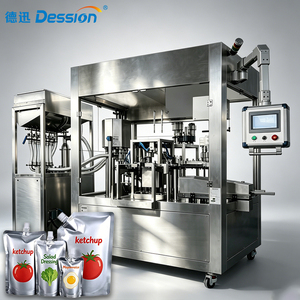
Automatic 100G 200G Sauce Spout Pouch Filling Sealing Machine Mayonnaise Ketchup Salad Sauce Peanut Butter Bag Packing Machine
Send an Inquiry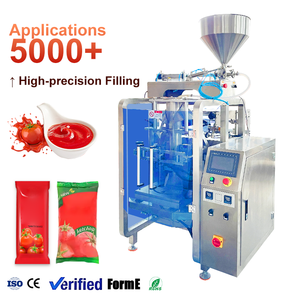
Fully Automatic Weighing Meteorological Seal Bag Packaging Ketchup And Chili Sauce Sachet Liquid Packing Machine
Send an Inquiry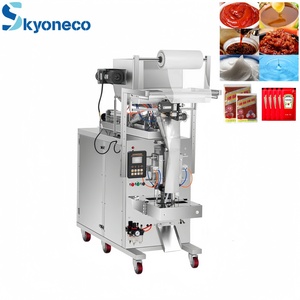
Automatic High Speed Liquid Paste Stainless Steel Food Grade Sachet Pouch Packaging Equipment for Sauce Honey Ketchup
Send an Inquiry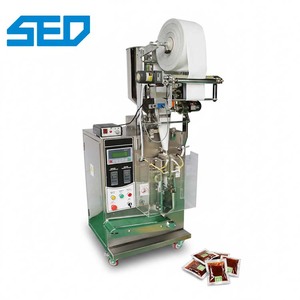
Automatic PLC Controlled Liquid Ketchup Jam Sauce Sachet Vertical Filling And Sealing Packaging Machine
Send an Inquiry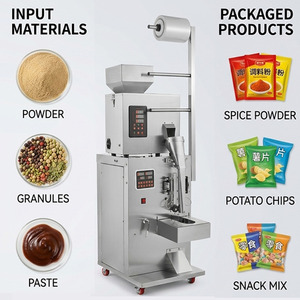
Automatic Ketchup Honey Sachet Pouch Paste Liquid Plastic Bag Forming Filling Sealing Multi-function Packaging Machines
Send an Inquiry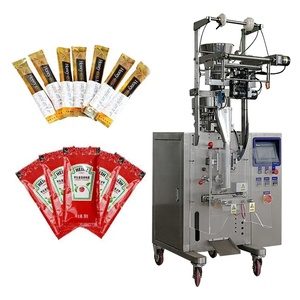
Leadworld New Automatic Sachet Filling Packaging Machine For Tomato Paste Liquid Stick Sauce Shaped Bag With Paper Material
Send an Inquiry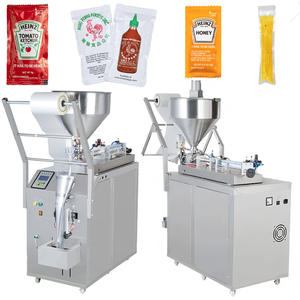
Multifunction Packaging Machines Honey Ketchup Pouch Filling Machine Tomato Paste Sauce Sachet Packing Machine
Send an Inquiry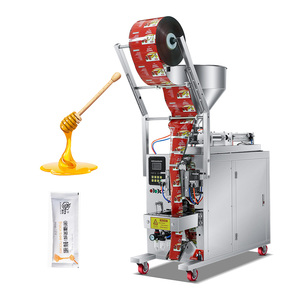
Small Peanut Butter Automatic Salad Ketchup Honey Sachet Packing Machine Packing Jam Tomato Paste Sauce Packaging Machine
Send an InquiryStrategic Analysis of Ketchup & Sauce Packaging Automation in Costa Rica
Costa Rica’s food processing industry is experiencing a structural transition toward high-efficiency, automated single-serve portion packaging. Driven by the growth of Quick Service Restaurant (QSR) chains, institutional catering across the eco-tourism sector in areas like Guanacaste and Puntarenas, and expanding condiment exports to CARICOM and Central American Free Trade Agreement (CAFTA-DR) partners, food producers in San José, Alajuela, and Heredia face mounting pressure to optimize operational expenditure (OPEX) while strictly complying with local health directives.
The demand for specialized OEM/ODM Ketchup Sachet Packaging Machines in Costa Rica hinges on three key operational constraints: precise volumetric dosing of non-Newtonian viscous liquids, total hermetic seal integrity under tropical humidity conditions, and flexibility in substrate handling (including mono-PE recyclable films and aluminum barrier foils).
Eco-Tourism & QSR Single-Serve Demand
With over 3 million international tourists visiting Costa Rica annually, hospitality and foodservice operators require hygienic, tamper-evident single-serve condiments (ketchup, mayo, local chili sauces like Salsa Lizano type profiles). Sachets ranging from 8g to 15g have become the standard to reduce food waste and lower supply chain footprint.
Compliance with Ministerio de Salud
Costa Rica’s Ministry of Health (Ministerio de Salud) imposes strict sanitary regulations on food packaging machinery. All OEM machinery must utilize food-grade AISI 316L stainless steel for liquid contact parts, feature Clean-in-Place (CIP) automated flushing loops, and maintain zero-leakage heat sealing to prevent micro-bacterial contamination.
Tropicalization & Power Adaptation
Electrical stability and environmental resistance are critical parameters in Central America. Industrial parks in Costa Rica operate primarily at 220V/480V 60Hz. OEM machinery must feature NEMA 4X / IP65 electrical enclosures with built-in air cooling to prevent PLC overheating caused by coastal humidity and ambient temperatures exceeding 35°C.
Ketchup & Viscous Liquid Sachet Architecture Matrix
To assist Costa Rican plant managers and procurement officers in selecting the optimal machinery configuration, the following engineering matrix details operational capabilities across different machine archetypes.
| Packaging Architecture | Dosing Mechanism | Production Speed (PPM) | Suitable Viscosity Range | Primary Costa Rican Target Application |
|---|---|---|---|---|
| Multi-Lane 4-Side Seal Sachet | Servo-Driven Rotary Piston Pump | 120 - 480 sachets/min | 1,000 - 15,000 cPoise (Ketchup, Mayo) | High-Volume QSR Supply & Contract Packaging Facilities in San José |
| Single-Lane Vertical VFFS Sachet | Pneumatic Reciprocating Dosing Pump | 30 - 70 sachets/min | 500 - 8,000 cPoise (Chili Sauce, Syrup) | Artisanal Food Producers, Medium SME Bottlers in Cartago/Alajuela |
| Spout Pouch Filling & Capping | Flowmeter / Positive Displacement | 20 - 50 pouches/min | 2,000 - 25,000 cPoise (200g-500g Sauce) | Retail Supermarket Refill Packs (Walmart CR, Auto Mercado) |
| Paper-Based Stick Pack Unit | Auger / Servo Liquid Injector | 40 - 160 sticks/min | Low-to-Mid Viscosity Liquids | Eco-Friendly Hotel & Resort Amenities (Punta Leona, Papagayo) |
Targeted Application Scenarios Across Costa Rican Sectors
1. Commercial Sauce Processors in Greater Metropolitan Area (GAM)
Industrial facilities located in the Coyol Free Zone (Alajuela) and Curridabat demand automated high-speed multi-lane machines capable of filling 10g to 20g ketchup sachets at 300+ units per minute. Integrated with automated cartoners and coders (TIJ/CIJ), these production lines ensure unbroken supply chains for nationwide fast-food franchises.
2. Agricultural Exporters & Custom Co-Packers
Costa Rica’s robust agricultural sector processes tropical fruit purees, hot pepper pastes (chili), and tomato concentrates for export to North America and Europe. OEM custom-designed sachet machines featuring nitrogen gas flushing (MAP) extend shelf life by reducing residual oxygen content inside pouches below 1.5%.
3. Hospitality & Eco-Resort Single-Serve Packaging
In response to Costa Rica’s National Plan for Sustainable Tourism, luxury resorts are phasing out multi-use plastic bottles in favor of portion-controlled, recyclable sachet formats. Our custom paper-laminate stick pack units allow local sauce makers to package gourmet condiments in biodegradable films.
Fodapack OEM/ODM Manufacturing Superiority & E-E-A-T Framework
Established in 1996, Fodapack operates as a direct machinery manufacturer and global exporter. We eliminate middleman markups while enforcing rigorous European safety directives (CE Mark) and quality control protocols (ISO 9001:2015 & ISO 14001).
Tier-1 Global Component Integration
Every machine built for the Costa Rican market incorporates standard world-class components: Siemens PLC controllers, Omron PID temperature modules, Festo pneumatic actuators, Schneider Electric switchgear, and SMC pressure sensors. This guarantees instant local spare-parts availability within Costa Rica.
High-Precision Servo Liquid Dosing
Ketchup displays non-Newtonian shear-thinning properties. Our proprietary rotary piston pumps feature anti-drip cut-off nozzles driven by independent servo motors. This ensures zero stringing or sauce residue on the seal area, eliminating bag seal failures and maintaining < 0.5% weight accuracy.
2-Year Factory Warranty & On-Site Service
We back every machinery export with a comprehensive 2-year warranty. Factory-certified field technicians are available for installation, commissioning, and staff training at your plant in San José, Limón, or Puntarenas, supported by 24/7 remote optical internet diagnostics.
Frequently Asked Questions (FAQ) for Costa Rican Buyers
Below are technical and operational clarifications addressing common procurement inquiries from plant managers and logistics coordinators operating in Costa Rica.
Q: What power supply options are available for Costa Rican industrial plants?
A: All our OEM/ODM ketchup sachet packaging machines are custom-wired to match your factory specs. In Costa Rica, we routinely configure electrical cabinets for 220V/60Hz single-phase or 240V/480V 60Hz three-phase systems. Schneider transformer modules ensure stable voltage regulation against localized power fluctuations.
Q: How do your machines handle high-viscosity ketchup without dripping or leaking?
A: We utilize specialized positive displacement piston pumps combined with pneumatic or servo-driven shut-off nozzles featuring suck-back mechanisms. This prevents sauce droplets from contaminating the transverse seal zone, ensuring 100% airtight hermetic seals that withstand altitude variations during transport over Costa Rica's mountain passes.
Q: What is the ocean freight transit time and customs process to Costa Rica?
A: Sea freight shipments to Costa Rica land at Puerto Limón (Caribbean side) or Puerto Caldera (Pacific side), with typical transit times of 24 to 32 days depending on direct shipping lines. We supply complete customs documentation under HS Code 8422.30, including CE certificates, Certificate of Origin (COO), and commercial invoices to expedite customs clearance through ProComer / Hacienda CR.
Q: Can your machines handle eco-friendly and recyclable packaging films?
A: Yes. Our heating jaws feature dual-independent PID digital temperature controllers with solid-state relays (SSR). This allows precise thermal management required for heat-sealing recyclable Mono-PE films, biodegradable PLA laminates, and paper-aluminum combinations without burning or stretching the substrate.
Q: How is operator training and after-sales support managed in Central America?
A: We provide full multilingual support (English/Spanish HMI interface screens). Upon delivery, our bilingual engineering team conducts live remote commissioning or dispatches factory technicians directly to your site in Costa Rica. We maintain a detailed spare parts inventory ready for express courier dispatch via DHL/FedEx within 48 hours.
Q: What is the minimum lead time for a custom OEM/ODM packaging line?
A: Standard single-lane vertical sachet machines take 20 to 30 days to build and test. Multi-lane high-speed custom lines require 35 to 45 days. Every machine undergoes a mandatory 72-hour continuous running test using your specific condiment formulation before export approval.
Ready to Automate Your Ketchup Packaging Line in Costa Rica?
Consult with our senior packaging engineers today for technical machine layout drawings, ROI calculations, and tailored OEM pricing for your production facility.