Featured Rotary & Automated Packaging Systems
Explore our CE & ISO 9001 certified machinery engineered for high-throughput container filling, dosing, bagging, and sealing operations.
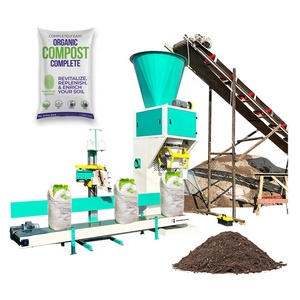
25kg 50kg Mulch Compost Irregular Shaped Pieces Bag Sealing Barite Gypsum Flakes Bagging Machine
Heavy-duty industrial bagging line designed for high-tonnage bulk materials, barite, gypsum flakes, and compost handling.
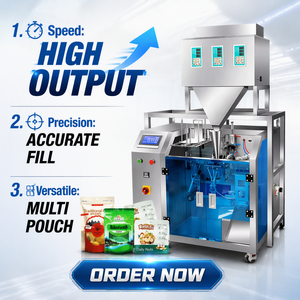
Doypack Multi-Function Pouch Packing Food Rice Grain Coffee Beans Granule Automatic Bag Packaging Machine
Versatile premade pouch pick-fill-seal system optimized for small to medium enterprise food packaging operations.
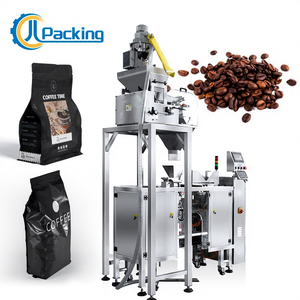
Coffee Beans Gusset Stand-up Bag Pick Fill Seal Vertical VFFS Packaging Machine High-Accuracy Food Grade
High-precision vertical form-fill-seal system featuring integrated degassing valve applicators for specialty coffee roasting plants.
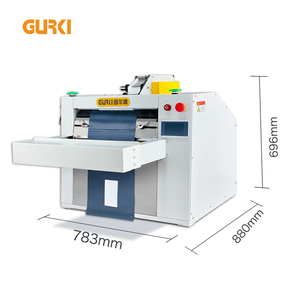
High Speed Automatic Tabletop Bagging Machine With Wrapping & Gluing Functions For Food Pouch Packaging
Compact high-speed tabletop pouch sealer with integrated thermal printing, gluing, and automated edge-wrapping mechanisms.
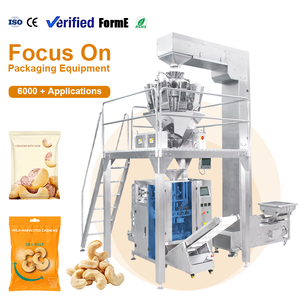
Food Grade Automatic Almonds Cashews Peanuts Packing Machine Back Seal Pillow Bag Gusseted Bag Machine
Automated nut and snack packaging platform engineered with multi-head weighers for protective gas flushing and nitrogen injection.
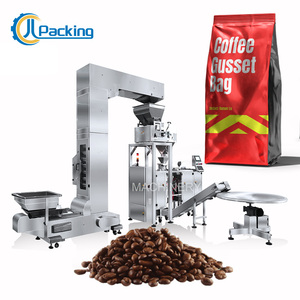
Small Business Doypack Roasted Coffee Bean Gusset Bag Ziplock Pouch Automatic Machine With Date Printer
Flexible zipper-pouch filling solution featuring online ribbon date coding, heat sealing, and rapid recipe changeover controls.
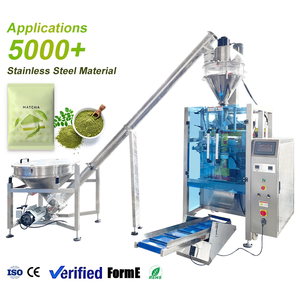
High Precision Automatic Vertical Gusset Bag Matcha Powder Walnut Powder Packing Machine
Dust-controlled vertical auger filler system engineered specifically for fine pharmaceutical and ultra-fine botanical powders.
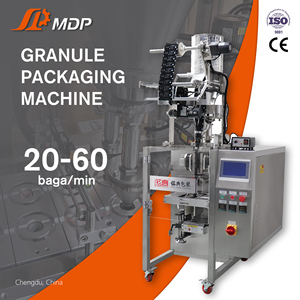
Hot Sale Multi-function Automatic Vertical Granule Packing Machine Pouch Bag Coffee Tea Powder Machines
High-speed dual-purpose dosing unit capable of handling micro-granules, instant tea powders, and single-serve sachets seamlessly.
Rotary Bottle Filling Technology: Industrial Architecture & Performance Metrics
In modern high-speed liquid packaging facilities, selecting the appropriate bottle filling architecture directly impacts operational efficiency, unit margins, and product purity. As global demand escalates across beverage, pharmaceutical, cosmetic, and agrochemical sectors, rotary bottle filling machine suppliers & exporters play a pivotal role in delivering turnkey automated monoblock systems engineered for continuous 24/7 duty cycles.
Unlike intermittent inline filling machines, rotary filling systems utilize a continuous pitch circle motion. Bottles are fed onto a rotating main carousel via precision-machined entrance starwheels. Dosing nozzles index synchronously with moving containers, maintaining continuous contact throughout the liquid deposition arc before discharging filled bottles through an outlet starwheel. This dynamic rotary motion eliminates the start-stop inertia inherent in linear fillers, allowing production speeds exceeding 300 to 600 bottles per minute (BPM) while suppressing liquid sloshing and product degradation.
| Evaluation Parameter | High-Speed Rotary Monoblock | Linear / Inline Automatic Filler | Semi-Automatic Rotary Filler |
|---|---|---|---|
| Operating Speed Range | 100 – 600+ BPM (Container Dependent) | 20 – 80 BPM (Max Intermittent) | 10 – 35 BPM (Manual Loading) |
| Dosing Precision (Volumetric) | ±0.2% to ±0.5% (Servo Mass Flow) | ±0.5% to ±1.0% (Piston Driven) | ±1.0% to ±2.0% (Gravity/Timing) |
| Sanitary Standard & CIP/SIP | Automated CIP/SIP Closed Loop Cleanable | Manual / Semi-Automated Flush | Manual Washdown Required |
| Floor Footprint Efficiency | Compact Integrated Monoblock Base | Long Linear Conveyor Footprint | Small Standalone Benchtop |
| Container Versatility | PET, Glass, HDPE, Aluminum Bottles | Rigid Square & Round Jars | Manual Neck Placement Bottles |
Advanced rotary filling monoblocks combine rinsing, filling, and capping on a single structural base frame. By eliminating transfer conveyors between standalone machines, manufacturers reduce mechanical transfer jams by up to 74%, minimize floor space requirements by 40%, and achieve OEE metrics consistently above 92% in continuous industrial environments.
Dosing Mechanics: Matching Liquid Rheology to Valve Architecture
A primary factor in achieving zero-drip, precise bottle filling lies in matching the chemical and rheological profile of the liquid with the appropriate filling valve mechanism. Leading global exporters supply rotary filling platforms configured with four core dosing technologies:
1. Servo Electromagnetic Flowmeter
Ideal for conductive liquids such as dairy products, juices, beverages, and household cleaners. Non-contact magnetic flow sensors measure liquid volume in real-time, signaling servo-actuated valves to close instantly without mechanical wear parts.
2. Mass Flow Coriolis Technology
Engineered for non-conductive, high-value fluids including essential oils, pharmaceutical elixirs, spirits, and solvent-based agrochemicals. Measures net mass directly, neutralizing filling discrepancies caused by ambient temperature changes or liquid viscosity shifts.
3. Positive Displacement Rotary Piston
The standard solution for viscous gels, creams, sauces, syrups, and heavy lotions. Precision SS316L ground pistons physically draw and displace controlled volumes, equipped with bottom-up filling nozzles to prevent aeration and foam creation.
Enterprise Manufacturing Credentials & Global Track Record
With a legacy dating back to 1996, Fodapack Packaging Machinery has established itself as an authoritative manufacturer and worldwide exporter of automated filling, sachet, stick pack, VFFS, and rotary packaging systems. Operating from our ISO-certified manufacturing facility in Istanbul, Turkey, we deliver European-grade engineering compliant with CE, ISO 9001, and ISO 14001 directives.
Every rotary bottle filling line manufactured in our facility incorporates premium electronic and pneumatic components from globally recognized automation suppliers, ensuring worldwide spare parts availability and maximum long-term uptime:
Siemens & Schneider Electric
Centralized PLC processing cores, multi-axis motion controllers, and intuitive human-machine touchscreens (HMI) with remote telemetry diagnostics.
Festo & SMC Pneumatics
Precision pneumatic manifold blocks, anti-drip nozzle actuators, and food-grade stainless steel air preparation cylinders.
Omron & Sick Sensors
Photoelectric container detection, automatic starwheel jam sensing, missing-cap inspection, and bottle elevation verification systems.
Future Procurement Trends & Rotary Packaging Innovations
As beverage producers and chemical packagers navigate shifting consumer demands, labor supply constraints, and stringent environmental policies, future-proofing rotary bottle filling lines has become an urgent procurement mandate. Buyers must evaluate several defining technological shifts when selecting suppliers over the next decade:
1. Toolless Quick-Changeover Starwheels
Modern production facilities handle diverse bottle geometries on single lines. Next-generation rotary fillers feature quick-release starwheels and self-adjusting guide rails, reducing container format changeovers from hours to under 15 minutes without hand tools.
2. IoT & Predictive Condition Monitoring
Industry 4.0 integrated rotary monoblocks continuously log vibration, main turret motor current, bearing temperatures, and filling pressure metrics. AI cloud analytics detect micro-wear in valves or bearings weeks before failure occurs.
3. Ultra-Clean & Aseptic Enclosures
To reduce chemical preservatives in beverages, rotary filling carousels are increasingly built inside HEPA laminar flow cleanrooms with automated H2O2 vapor sterilization cycles (VHP), ensuring shelf stability under clean-fill guidelines.
Procurement Engineering: Sizing & Line Speed Calculations
When specifying a rotary bottle filling machine from global exporters, engineering managers must perform precise capacity calculations based on target output, container volume, and liquid flow characteristics. Use the fundamental equation below to calculate theoretical rotary filling head requirements:
N = ( Target BPM × T_fill ) / 60
Where:
N = Minimum Number of Filling Valves Required on Rotary Carousel
Target BPM = Required Line Speed in Bottles Per Minute
T_fill = Total Time Required to Complete Liquid Dosing (in Seconds)
For example, to run a 500 mL water bottle line at 240 BPM where the laminar flow filling nozzle requires 3.5 seconds to dose without splashing, the required valve count is: N = (240 × 3.5) / 60 = 14 Filling Valves. To account for starwheel transfer angles and CIP clearance, engineers specify an 18-station rotary turret platform.
Frequently Asked Questions (Rotary Filling Procurement FAQ)
Technical answers to critical questions encountered by overseas buyers and plant managers.
What is the difference between a rotary monoblock filler and a triblock filler?
How do rotary bottle filling machines handle different bottle heights and neck diameters?
Are Fodapack rotary filling lines compatible with CIP (Clean-in-Place) systems?
What certifications and documentation are supplied with exported equipment?
What after-sales installation, training, and warranty support do you provide overseas?
How do I request a tailored quotation for my liquid container line?
Ready to Upgrade Your Liquid Packaging Infrastructure?
Connect directly with Fodapack engineering specialists to discuss custom rotary monoblock designs, request factory acceptance test (FAT) videos, or get instant technical quotes.