High-Efficiency Dairy & Powder Packaging Systems
Engineered for strict hygiene standards, high dosage accuracy, zero powder leakage, and seamless integration into automated food processing lines.
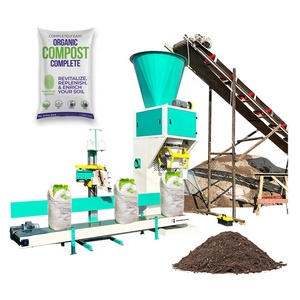
25kg 50kg Heavy-Duty Bulk Bag Sealing & Powder Bagging Packaging Machine
- Range: 10kg - 50kg Large Bags
- Precision: ±0.2% High Accuracy Auger
- Feature: Dust Extraction & Thermal Sealing
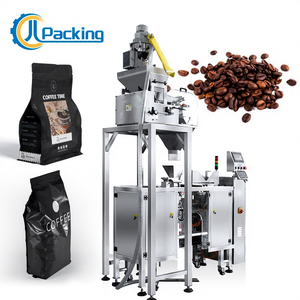
Doypack Multi-Function Premade Pouch Powder Packaging Machine
- Speed: 35-60 pouches/min
- Format: Zipper Doypack, Stand-up Pouch
- PLC: Siemens Touchscreen Control
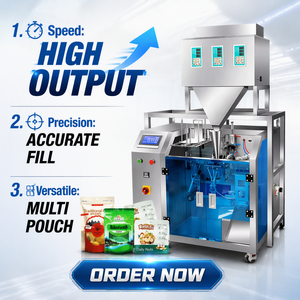
Gusset Stand-up Bag Pick Fill Seal Vertical VFFS Powder Packaging Machine
- Grade: Full 304/316 Stainless Steel
- Protection: Nitrogen Gas Injection (MAP)
- Precision: Servo Auger Metering
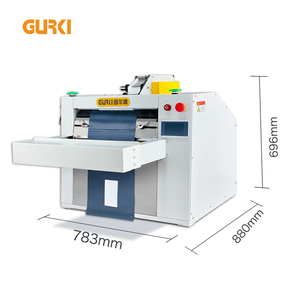
High-Speed Automatic Compact Bagging Machine With Wrapping & Gluing
- Application: Secondary Pouch & Box Packaging
- Efficiency: Fully Automated Inline Folding
- Footprint: Modular Space-Saving Design
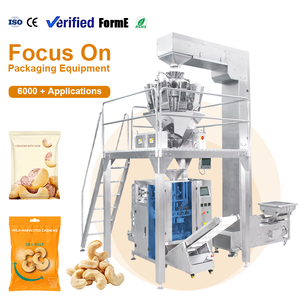
Food-Grade Automatic Back-Seal Pillow & Gusseted Bag Packing Machine
- Bag Type: Pillow Bag, Quad-Seal Gusset
- Film Roll: Bottom Draw-down Servo System
- Seal Quality: Airtight Leak-proof Jaws
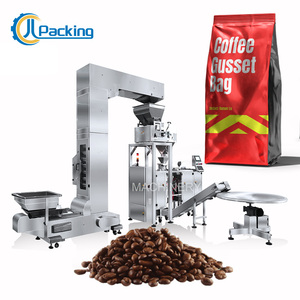
Doypack Ziplock Stand-Up Pouch Packing Machine With Date Coding
- Printer: Thermal Transfer & Laser Ribbon
- Zipper: Automatic Opening & Re-sealing
- Control: Dual Servo Drive Mechanics
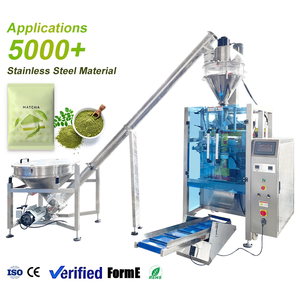
High-Precision Micro-Powder Vertical Gusset Bag Filling Packaging Machine
- Material: Ultra-fine Dairy & Whey Powder
- Accuracy: Dynamic Weight Feedback
- Hygiene: Quick-Disassembly Auger Screw
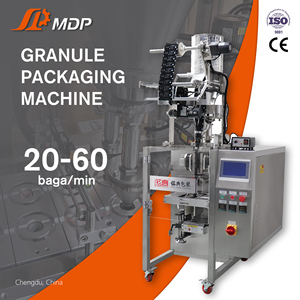
Multi-Function Universal Vertical Powder & Granule Packaging Line
- Multi-Dosing: Interchangeable Dosing Systems
- Output: High-speed Continuous Cycle
- Standards: CE, ISO 9001, ISO 14001
1. Executive Summary & Global Milk Powder Packaging Market Overview
The global milk powder packaging machinery ecosystem is undergoing a dramatic shift toward ultra-hygienic automated processing, zero-dust atmosphere control, and high-precision dosage filling. Infant formula, adult nutritional supplements, full-cream milk powder, and specialized whey protein powders demand packaging solutions that preserve nutritional integrity while guaranteeing shelf-life extension up to 24-36 months.
As a premiere China milk powder packaging machine factory and direct exporter, our engineering standard aligns strictly with international sanitary regulations including FDA 21 CFR, EHEDG (European Hygienic Engineering & Design Group), and 3-A Sanitary Standards. Sourcing industrial packaging lines directly from a certified OEM manufacturer eliminates intermediary costs while providing full customization over auger metering, gas flushing, and pouch sealing configurations.
Information Gain Benchmark: Unlike generic vertical form fill seal (VFFS) systems, high-spec dairy powder lines require multi-stage vacuum nitrogen flushing (MAP) to suppress lipid oxidation, maintaining residual oxygen levels strictly below 0.5% to safeguard product stability during long-distance transoceanic shipping.
2. Core Engineering Innovations in Dairy Powder Packaging Machinery
Packaging milk powder presents distinct mechanical and physical challenges. Due to its micro-particle structure, density variance, and prone-to-dust behavior, standard gravity or cup fillers fail to meet regulatory weight tolerance limits. Our specialized milk powder packaging machinery incorporates four vital technological pillars:
Utilizing high-resolution servo motors linked with digital weight-feedback load cells, achieving dosage precision within ±0.1g to ±0.5g. Quick-release split auger hoppers allow toolless cleaning within 10 minutes.
Integrated vacuum extraction followed by high-purity N2 gas injection prior to ultrasonic or thermal sealing. Prevents fat oxidation and lump formation without requiring artificial chemical preservatives.
Dust aspiration nozzles positioned at the filling mouth capture airborne particulate matter, preventing powder contamination on sealing margins to ensure 100% hermetic seal integrity.
All contact parts manufactured from AISI 316L stainless steel with mirror-polished interior surface finish (Ra < 0.4 µm) to resist microbial buildup and allow seamless Clean-In-Place (CIP) sanitation.
Technical Comparison: Packaging Formats for Powdered Dairy Products
Choosing the correct packaging format depends on market positioning, weight range, and target consumer demographics. The matrix below outlines operational parameters across major automated machine classifications:
| Packaging Format | Typical Weight Range | Output Speed (PPM) | Residual Oxygen (%) | Primary Application |
|---|---|---|---|---|
| Premade Doypack Pouch | 100g – 1.5kg | 30 – 60 pouches/min | < 1.0% (with Nitrogen) | Adult Milk Powder, Organic Whey Protein |
| Vertical Gusset / Quad-Seal | 250g – 2.5kg | 25 – 50 bags/min | < 0.8% (Multi-stage MAP) | Family Retail Packs, Commercial Dairy Base |
| Multi-Lane Stick Pack | 1g – 30g | 200 – 600 sticks/min | < 2.0% (Direct Injection) | Single-serve Probiotics, Travel Infant Packs |
| Bulk Bagging Line (25kg) | 10kg – 50kg | 120 – 300 bags/hour | Ambient / De-aerated | B2B Raw Milk Powder Export, Bakery Supply |
3. Future Procurement Trends in Milk Powder Packaging (2025–2030)
Global buyers and procurement executives evaluating packaging machinery investments for the upcoming decade must account for emerging regulatory, ecological, and technological shifts:
Smart Factory Integration
Equipped with OPC-UA protocols, IoT sensor arrays, and remote cloud telemetry for real-time monitoring of filling accuracy, seal temperature stability, and predictive maintenance alerts.
Mono-Material Recyclable Films
Evolution from traditional aluminum-foil laminates to 100% recyclable mono-PE or mono-PP barrier films. Requires sealing jaws engineered with precise PID thermal distribution.
Laser Serialization & QR Tracking
Integration of UV laser coders and 2D vision systems to imprint anti-counterfeiting batch codes and farm-to-table origin tracking required for international customs clearance.
4. Why Partnering with Our China Manufacturing Facility Drives ROI
Selecting an established original equipment manufacturer (OEM) provides strategic economic and technological advantages over trading vendors. Founded in 1996, our factory integrates full-cycle manufacturing—from laser sheet metal cutting and CNC machining to assembly and pre-shipment quality auditing.
- Rigorous Certification Compliance: Every machine is built in strict adherence to CE Directives, carrying ISO 9001 (Quality Management Systems) and ISO 14001 (Environmental Safety) accreditations.
- World-Class Electrical Components: We integrate premium hardware from global automation leaders including Siemens PLC, Schneider Electric relays, Omron temperature controllers, Festo pneumatic cylinders, and SMC solenoid valves for unmatched uptime.
- Complete Turnkey Delivery & Warranty: Backed by a standard 2-Year Manufacturer Warranty, lifetime technical support, and global on-site commissioning by certified technicians.
- Custom Engineering & Scalability: Fully tailored modular designs capable of handling varying bag styles, zipper closures, degassing valves, and secondary cartooning integration.





5. Frequently Asked Questions (FAQ) for Overseas Machinery Buyers
Corporate Accreditation

Direct factory exporter committed to rigorous manufacturing standards, zero-defect quality control, and seamless international shipping logistics.