High-Performance Sachet & Pouch Packaging Machinery
Explore our CE & ISO-certified automated packaging systems designed for multi-lane efficiency, volumetric accuracy, and zero-downtime operational reliability.
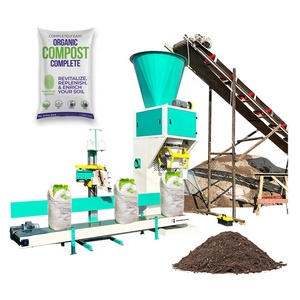
25kg 50kg Mulch Compost Irregular Shaped Pieces Bag Sealing Barite Gypsum Flakes Bagging Packing Machine
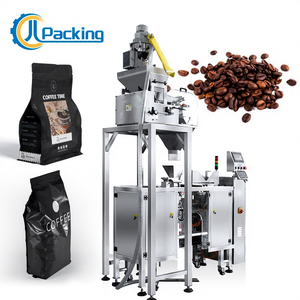
Doypack Multi-Function Pouch Packing Food Rice Grain Coffee Beans Granule Automatic Bag Packaging Machine For Small Business
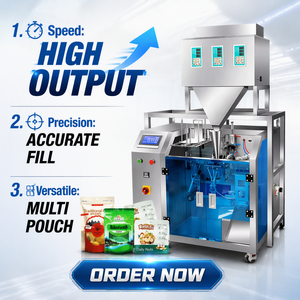
Coffee Beans Gusset Stand-up Bag Pick Fill Seal Vertical VFFS Packaging Machine High-Accuracy Food Grade
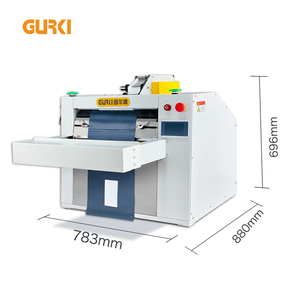
GURKI High Speed Automatic Tabletop Bagging Machine With Wrapping & Gluing Functions For Food Pouch Packaging
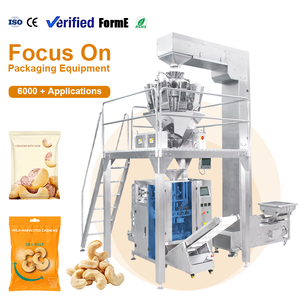
Food Grade Automatic Almonds Cashews Peanuts Packing Machine Back Seal Pillow Bag Gusseted Bag Packing Machine
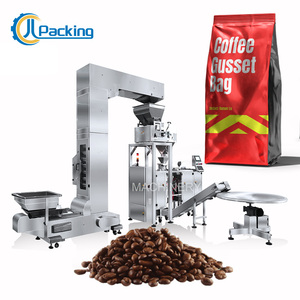
Small Business Doypack Roasted Coffee Bean Gusset Bag Ziplock Pouch Automatic Packing Machine With Date Printer
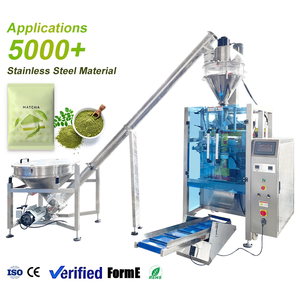
High Precision Automatic Vertical Gusset Bag Matcha Powder Walnut Powder Packing Machine
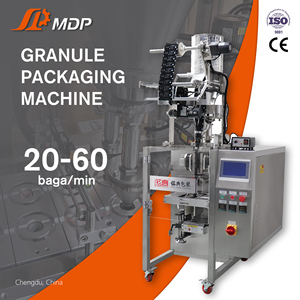
Hot Sale Multi-function Automatic Vertical Granule Packing Machine Pouch Bag Coffee Tea Powder Packaging Machines
Architectural Precision in Multi-Lane Liquid Sachet Packaging
An authoritative evaluation of fluid dynamics, volumetric accuracy, multi-track pouch slitting, and thermal sealing parameters for global pharmaceutical, cosmetic, and food manufacturing enterprises.
Executive Summary: The Shift Toward Multi-Lane Liquid Sachet Efficiency
In high-throughput liquid packaging environments—ranging from single-dose pharmaceutical syrups and cosmetic lotions to food condiments like ketchup, soy sauce, mayonnaise, and honey—manufacturing plants face a dual challenge: maximizing volumetric throughput while eliminating product giveaway and downtime caused by liquid dripping or seal contamination. Traditional single-lane vertical form fill seal (VFFS) systems, while versatile, create severe production bottlenecks when scaled to fulfill high-volume global market demand.
A multi-lane liquid sachet packaging machine operates by pulling a single wide roll of heat-sealable composite film, slitting it into multiple parallel web tracks (typically 4 to 12 lanes), forming individual 4-side seal sachets or stick packs, and simultaneously injecting micro-doses of liquid products using precision servo-driven piston pumps or peristaltic dosing assemblies. By distributing the mechanical cycle across multiple parallel lanes, production yields leap from 60 PPM (packs per minute) on single-track machines to over 600 PPM on high-speed 10-lane installations—without exponentially expanding plant footprint or power consumption.
Information Gain Key Metric: Integrated multi-lane servo-driven piston dosing reduces film roll waste by up to 34% and slashes thermal sealing energy consumption per packaged unit by 42% compared to multiple standalone single-lane lines operating in parallel.
Understanding Fluid Rheology in Automated High-Speed Sachet Filling
Designing an effective OEM multi-lane liquid sachet packaging line requires deep consideration of fluid mechanics and viscosity behavior under dynamic shearing pressure. Liquid products behave differently under varying thermal and mechanical stresses:
- Newtonian Liquids (Water, Juice, Thin Oils): Require rapid anti-drip shut-off valves and pneumatic cut-off nozzles to prevent splashing onto horizontal sealing jaws.
- Non-Newtonian Viscous Liquids (Ketchup, Gel, Honey, Shampoo): Require jacketed heated hoppers with internal agitators to maintain constant viscosity index, alongside positive-displacement servo piston pumps to prevent cavitation.
- Particulate-Laden Liquids (Salad Dressings, Chili Sauces): Demand specialized rotary valve assemblies and enlarged nozzle apertures that preserve solid inclusions without crushing solids or jamming liquid flow paths.
Custom OEM Engineering Capabilities & Technical Specifications
As a direct manufacturer and global exporter since 1996, Fodapack provides comprehensive original equipment manufacturing (OEM) and original design manufacturing (ODM) customization. Every multi-lane liquid sachet machine is custom-built to match specific liquid characteristics, pouch geometries, cleanroom standards, and line integration requirements.
| Engineering Feature | Standard Configuration | Custom OEM Options |
|---|---|---|
| Lane Count | 2 / 4 / 6 Lanes | Custom 8 / 10 / 12 Lanes (up to 1200mm film width) |
| Dosing System | Pneumatic Volumetric Piston Pump | Servo Piston, Rotary Valve, Magnetic Flow Meter, Peristaltic |
| Viscosity Capability | 1 - 5,000 cPoise (Free-flowing liquids) | 1 - 100,000 cPoise (Heated hopper with mixer for paste/gel) |
| Pouch Sealing Style | Standard 4-Side Seal / Pillow Sachet | Chain Sachet, Shaped Edge Die-Cut, Easy-Tear Laser Notch |
| Sanitary Standards | SUS304 Stainless Steel Product Contact | Full SUS316L Contact Parts, CIP/SIP Automatic Washing System |
| Control Platform | 7-inch Color Touch HMI + Standard PLC | Siemens S7-1500 PLC, 12-inch HMI, Industry 4.0 IoT Gateway |
| Coding & Marking | Ribbon Date Coder | Continuous Inkjet (CIJ), Thermal Transfer (TTO), Laser Marking |
Preventing Sachet Seal Contamination: The Anti-Drip Nozzle Engineering
The single greatest cause of package failure in liquid sachet packing is product contamination within the heat-seal zone. If liquid droplet remnants land on the film margin prior to sealing, the thermal bond strength drops dramatically, resulting in micro-leakers during transit and retail distribution.
Fodapack solves this through custom-designed suck-back anti-drip nozzle technology. Driven by independent servo actuators, the liquid stroke terminates with a high-precision backward pressure pulse that pulls remaining liquid meniscus back into the nozzle orifice instantly. Coupled with PID-controlled ceramic heating elements across the vertical and horizontal sealing bars, every sachet achieves hermetic seal integrity capable of withstanding rigorous burst-testing protocols.
Industrial Superiority & Engineering Standards
Built with world-class automation components and backed by rigorous quality control certified to international standard frameworks.
CE & ISO 9001:2015 Certified
Full compliance with European Union machinery directives, low voltage safety standards, and ISO environmental management frameworks.
Tier-1 Component Integration
Powered exclusively by global leaders: Siemens PLC/HMIs, Schneider electrics, Festo pneumatic cylinders, Omron sensors, and SMC valves.
High-Speed Multi-Lane Output
Simultaneous multi-track slitting and filling achieving linear film speeds of up to 45 cycles per minute across up to 12 active lanes.
2-Year Full Factory Warranty
Comprehensive global warranty protection covering mechanical structures, servo drives, and electronics, paired with lifetime remote service.
Toolless Changeover Engineering
Quick-release film mandrels, modular slitting blades, and recipe-driven HMI adjustments minimize batch changeover time to under 20 minutes.
Export Experience in 50+ Nations
Proven international shipping, customs documentation, on-site commissioning, and technician dispatch to over 50 countries globally.
Future Trends in Liquid Sachet Packaging & OEM Procurement
How evolving sustainability mandates, Industry 4.0 digitalization, and pharmaceutical regulations are reshaping the multi-lane machinery landscape.
1. Transition to Eco-Friendly Recyclable Monomaterial Films
The global packaging sector is undergoing a massive regulatory transition away from multi-layer aluminum laminates (such as PET/AL/PE) toward recyclable mono-materials (PE/PE or PP/PP) and bio-based barrier films. Mono-materials present narrow thermal sealing windows and require precise, real-time temperature control to prevent film burn-through or pouch seal failure.
Next-generation multi-lane liquid sachet machines engineered by top OEM suppliers incorporate continuous tension monitoring and individual PID heat zone regulation per lane. This ensures that delicate recyclable films are sealed uniformly across all tracks, regardless of ambient factory temperature fluctuations.
2. Industry 4.0 Smart Telemetry & Remote Predictive Diagnostics
Unplanned downtime on a 10-lane high-speed machine can result in thousands of dollars in lost yield per hour. Modern corporate buyers now prioritize packaging machinery equipped with IoT edge gateways, OPC-UA protocol readiness, and cloud-connected diagnostics.
Through integrated sensor arrays, operators can monitor pump stroke performance, seal bar pressure distribution, motor current signatures, and pneumatic pressure in real time. Predictive algorithms alert plant engineers before mechanical failure occurs, ensuring maintenance is scheduled during planned shifts.
3. Hygienic Washdown & Automatic CIP (Clean-in-Place) Integration
With stringent FDA, GMP, and EHEDG guidelines governing food and pharmaceutical packaging, chemical cross-contamination during product changeovers is intolerable. Future-ready multi-lane liquid sachet equipment features automated Clean-In-Place (CIP) flow loops. Stainless steel 316L dosing pipes, sanitary tri-clamp fittings, and automated valve sequence routines allow full CIP sanitization without requiring operators to manually disassemble pump manifolds.
Frequently Asked Questions (FAQ)
In-depth technical answers addressing common operational, customization, and engineering queries from international buyers.