Featured Industrial Packaging & Piston Liquid Machinery Portfolio
Explore our direct factory-manufactured, CE-marked packaging lines engineered for precision liquid, paste, powder, and granule dosing across diverse international industrial applications.
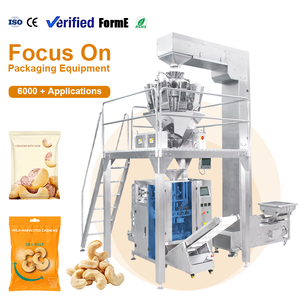
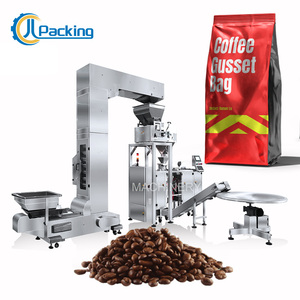
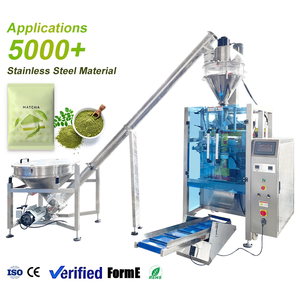
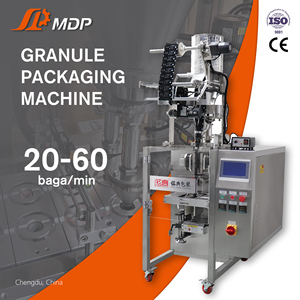
1. Engineering Architecture & Volumetric Piston Displacement Dynamics
In modern automated packaging processing lines, CE certified piston liquid filling machines represent the gold standard for high-accuracy volumetric dosing of low to ultra-high viscosity fluids. Engineered around positive displacement metering dynamics, piston filling systems draw liquid from a product hopper or buffer tank into a calibrated cylinder chamber during the intake stroke, subsequently discharging an exact volumetric quantity into container vessels through specialized anti-drip nozzle assemblies during the discharge stroke.
The mechanical precision of piston filling equipment depends heavily on the driving mechanism and sealing technology utilized. Factory manufacturers primarily supply two core structural variants: Pneumatic Piston Fillers driven by high-reliability pneumatic cylinders (such as AirTac or Festo) and Servo-Motor Driven Piston Machines utilizing precision ball-screws and digital encoder positioning.
Pneumatic Volumetric Displacement
Utilizes compressed air stroke adjustment with micro-metering mechanical stops. Ideal for explosive or washdown environments, providing reliable repeat accuracy of ±0.5% for standard liquids, personal care lotions, and edible sauces without electrical thermal generation.
Servo-Driven Programmable Dosing
Employs digital multi-axis servo control managed via touch-screen HMI (Human-Machine Interface). Allows instant product recipe selection, multi-stage filling profile customization, and automatic volume scaling without physical mechanical adjustment.
Fluid Viscosity Dynamics & Valve Technology
A primary factor in specifying piston liquid filling machinery from direct OEM factories is fluid rheology. Fluids behave distinctly under shear forces inside metering cylinders:
- Low Viscosity Aqueous Liquids (< 100 cP): Water, fruit juices, essential oils, and pharmaceutical tinctures utilize three-way rotary check valves or spring-loaded ball check valves for rapid fluid cycle acceleration.
- Medium Viscosity Emulsions (100 – 10,000 cP): Syrups, shampoos, liquid detergents, and motor oils require pneumatic rotary 3-way valves to prevent backflow cavitations during piston charging.
- High Viscosity Pastes & Particulates (10,000 – 100,000+ cP): Honey, tomato paste, peanut butter, cosmetic creams, and silicone sealant require specialized heavy-duty rotary plug valves, heated jacketed hoppers, and internal agitators to eliminate void spaces and air entrapment.
2. CE Certification Compliance, Sanitary Metallurgy & Explosive Safety
When evaluating global packaging machine exporters, industrial purchasers must rigorously verify conformity with international safety, sanitation, and electrical directives. True CE certification requires comprehensive physical testing and technical file documentation under relevant European Union harmonized standards.
EU Directives Applicable to Piston Filling Lines
A fully compliant CE Certified Piston Liquid Filling Line must fulfill four foundational safety frameworks:
1. Machinery Directive 2006/42/EC: Mandates comprehensive mechanical risk assessment, emergency stop circuit integration, dual-channel safety interlocks on access doors, and pinch-point hazard elimination.
2. Low Voltage Directive LVD 2014/35/EU: Ensures electrical enclosure protection (IP65/IP66 standards), proper grounding circuit continuity, and isolation against electric shock risks.
3. Electromagnetic Compatibility EMC 2014/30/EU: Prevents electromagnetic interference between the filling line control panel (PLC, inverter, touch panel) and surrounding plant equipment.
4. ATEX Directive 2014/34/EU (Optional/Specialized): Required for filling flammable chemical liquids (alcoholic solvents, sanitizers, paints, chemical reagents) utilizing explosion-proof pneumatic logic or intrinsically safe electronics.
Sanitary Metallurgy & Material Traceability
For pharmaceutical, food, beverage, and cosmetics processing, material contact integrity dictates hygienic safety. Qualified manufacturers utilize AISI 316L (UNS S31603) Stainless Steel for all liquid-wetted contact components (cylinders, pistons, valve blocks, diving nozzles, and product hoppers), featuring superior resistance to chloride corrosion and CIP (Clean-In-Place) chemical sanitizers.
Non-metallic components including volumetric piston seals, O-rings, and gaskets must be manufactured from food-compliant materials compliant with FDA 21 CFR 177.2600 and EU 1935/2004 regulations, such as virgin PTFE (Polytetrafluoroethylene), Viton, or FDA-grade silicone. Internal bore surfaces of volumetric cylinders undergo precision honing and mirror polishing to achieve a surface roughness rating of Ra ≤ 0.4 µm, eliminating microscopic crevices where microbial biofilms could incubate.
Technical Matrix: Pneumatic vs. Servo Volumetric Piston Fillers
Compare key operational parameters between pneumatic standard fillers and digital servo-driven piston filling machines to align with your plant's operational capacity and automation goals.
| Technical Feature / Parameter | Pneumatic Volumetric Piston Filler | Servo-Motor Driven Piston Filler | Multi-Lane Automatic VFFS/Sachet Filler |
|---|---|---|---|
| Metering Accuracy | ± 0.5% - 1.0% | ± 0.2% - 0.5% | ± 0.5% - 1.0% |
| Filling Volume Range | 10 ml – 5,000 ml (Per Cylinder) | 5 ml – 10,000 ml (Digitally Set) | 1 ml – 200 ml (Per Sachet/Stick) |
| Drive Mechanism | AirTac / Festo Pneumatic Cylinder | Siemens / Schneider Servo Motor | Cam-Drive & Pneumatic Hybrid |
| Viscosity Capability | Up to 50,000 cP (Paste Check Valves) | Up to 100,000+ cP (Heated Pistons) | Up to 20,000 cP (Sauces/Liquid) |
| Changeover Speed | Manual Mechanical Handwheel (∼15 mins) | Digital HMI Recipe Selection (< 2 mins) | Forming Shoulder Changeover (∼30 mins) |
| ATEX / Explosion Proofing | Inherently Safe (100% Air Driven) | Requires Purged Explosion-Proof Cabinet | Optional ATEX Air Cabinet |
| Sanitary Standard | Stainless Steel 304 / 316L Contact | AISI 316L CIP/SIP Compatible | Food Grade Stainless Steel 316L |
3. Global Procurement Criteria & Technical RFP Benchmarking
Purchasing industrial liquid filling equipment directly from international manufacturing exporters requires a structured technical RFP (Request for Proposal) and vendor evaluation process. Procurement directors must look beyond initial equipment cost to calculate Total Cost of Ownership (TCO), operational reliability, and component availability.
Standardized Brand Components
Ensure the manufacturer builds control panels with globally available commercial off-the-shelf (COTS) automation parts: Siemens, Schneider Electric, Festo, Omron, SMC, and LG. This guarantees local spare parts availability and eliminates dependence on proprietary electronic boards.
FAT & SAT Testing Protocols
Require rigorous Factory Acceptance Testing (FAT) prior to shipment—including dry-cycling, wet fluid trial fills at rated speeds, pressure testing, and volumetric accuracy validation—followed by complete Site Acceptance Testing (SAT) at customer facilities.
Tool-Less Quick Changeover
Modern manufacturing demands rapid batch turnarounds. Evaluate machines featuring quick-release hygienic tri-clamp connections, tool-free piston cylinder disassembly, and motorized fill height adjustment.
4. Next-Generation Trends: Smart Packaging & Automation
The liquid packaging machinery landscape is undergoing rapid technological evolution driven by Industry 4.0 digitisation, sustainability mandates, and labor constraints across global markets.
Smart IoT Edge Monitoring & Auto-Correction
Next-generation piston filling lines integrate inline check-weighers with feedback loop algorithms. If thermal expansion alters fluid density during a production shift, the system automatically adjusts servo piston stroke distance in real time, guaranteeing zero-giveaway dynamic target weight precision.
Eco-Friendly & Monomaterial Compatibility
With global anti-plastic legislation advancing, filling and sealing machinery must process sustainable substrates—including recyclable PE/PP monomaterial films, compostable paper laminates, and lightweight stand-up doypacks—without compromising hermetic seal strength or operational throughput.
5. Fodapack Manufacturing Excellence & Global OEM Capabilities
Founded in 1996 in Istanbul, Turkey, Fodapack Packaging Machinery has established itself as an authoritative global manufacturer and exporter of CE and ISO certified packaging equipment. Spanning over 28 years of continuous mechanical innovation, Fodapack designs and engineers full turnkey packaging solutions operating in over 50 countries worldwide.
Operating direct factory manufacturing facilities without trading intermediaries, Fodapack specializes in: Volumetric Piston Fillers, Stick Pack Machines, 4-Side Seal Sachet Machines, Vertical Form Fill Seal (VFFS) Packaging Systems, Horizontal Flow Wrappers (HFFS), Wet Wipe Sachet Lines, and Doypack Filling Equipment.
ISO 9001 & ISO 14001 Certified
Every machine is built under strict quality and environmental management systems, accompanied by official CE declarations of conformity and full material traceability certificates.
2-Year Comprehensive Warranty
Demonstrating structural and mechanical confidence, Fodapack backs all machinery exports with a 2-year manufacturer warranty, backed by guaranteed lifetime spare parts availability.
On-Site Commissioning & Training
Certified field service engineers deploy worldwide to customer factories for machine installation, line integration, PLC calibration, and comprehensive operator training.
6. Frequently Asked Questions (Procurement & Technical FAQ)
Accelerate Your Liquid Packaging Line Productivity Today
Partner directly with Fodapack Machinery—an established manufacturer since 1996. Request technical specifications, customized layout drawings, and direct factory pricing for CE-certified liquid filling and packaging lines.