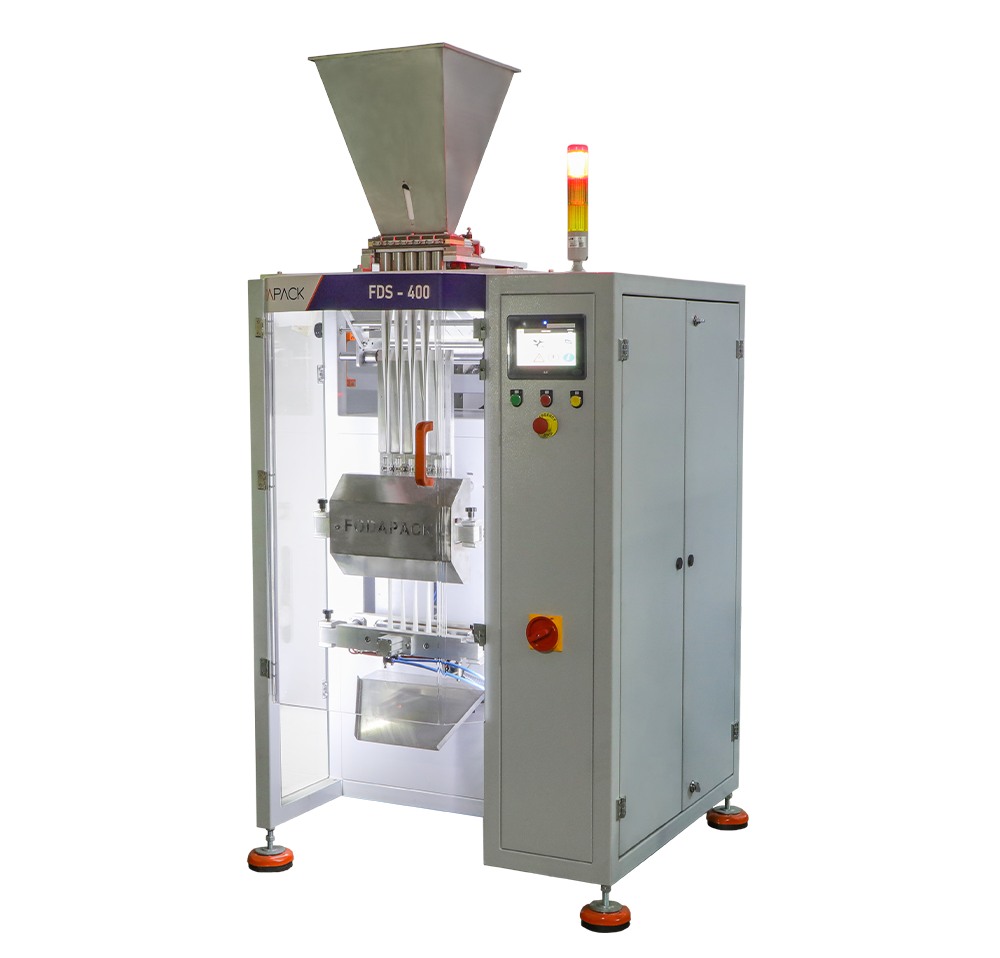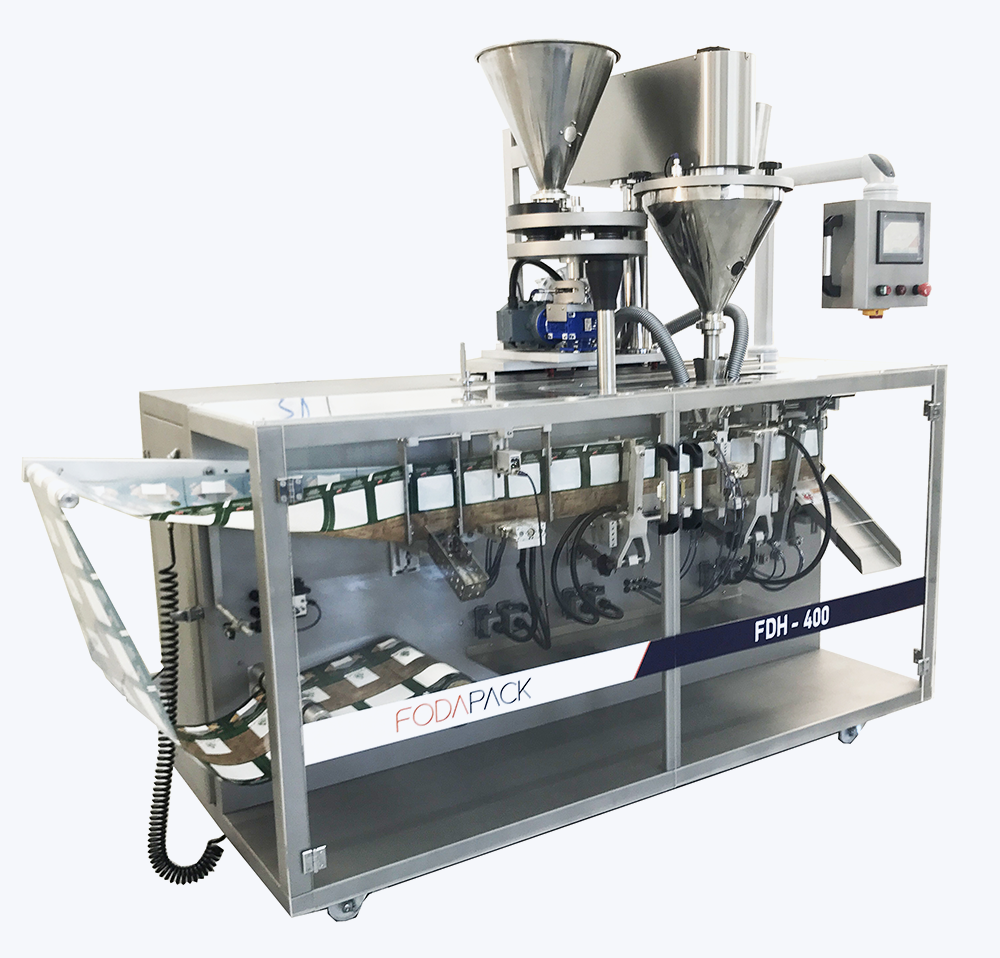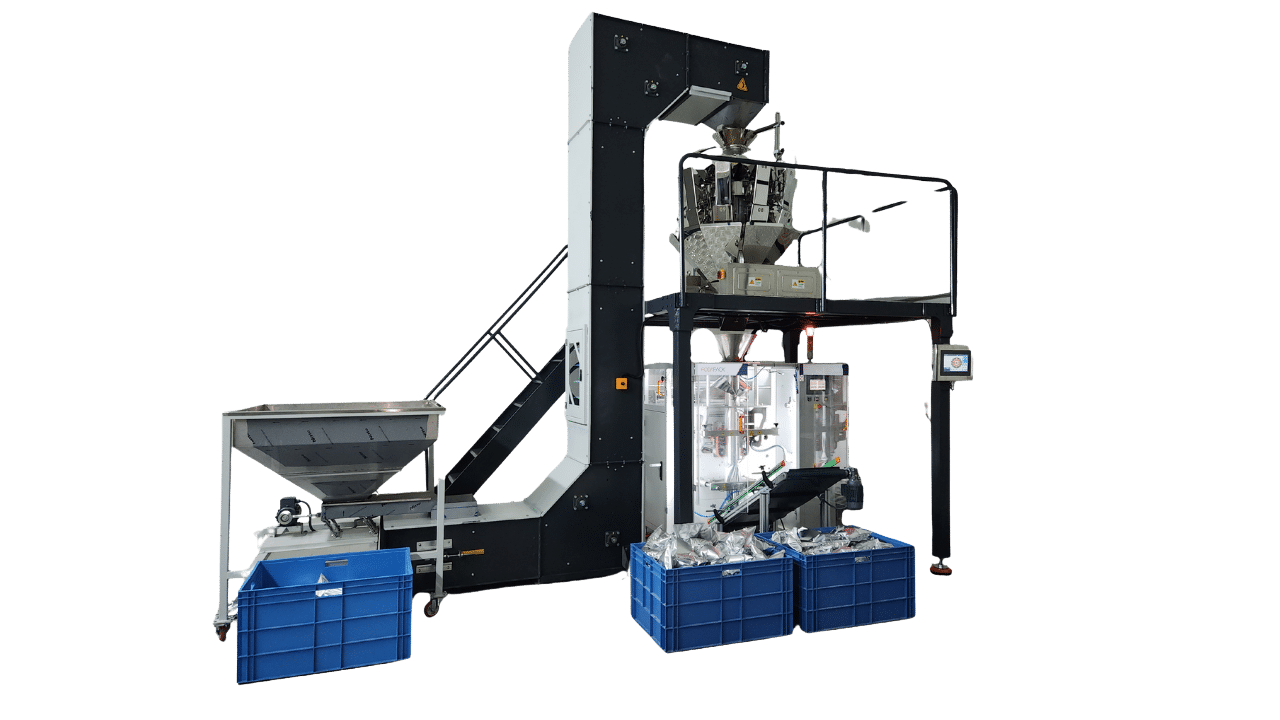
Choosing the 2026 best Pillow Bag Packaging Machine means matching the machine to your product, film, and daily output—not chasing the highest speed on a brochure. A snack line handling crisp, uneven pieces has different needs from one packing smooth powder into consistent portions. The details show up fast: seal consistency, changeover time, film tracking, and how easily operators can clear a jam. Small things matter.
Before comparing models, confirm the bag dimensions, product weight, sealing style, and available floor space. Ask suppliers to demonstrate your actual product, not just a similar sample. Watch the film move through the rollers. Check whether the finished seals stay neat after a full production run. A short demonstration helps, but it cannot replace careful checks on maintenance access, spare parts, and service support. Be realistic about the numbers.
For a transparent expert perspective, consider this illustrative comment from fictional packaging engineer Mara Chen: “A reliable machine is the one your team can set up, clean, and run consistently—not simply the one with the fastest quoted cycle.” This is a practical buying principle, not a verified published quotation. It also points to a common blind spot: buyers may focus on purchase price while overlooking changeover delays and operator training. That comparison can be incomplete. Use the guide ahead to weigh performance, flexibility, and support against your actual production needs. A perfect fit is rare; a well-tested choice is more useful.
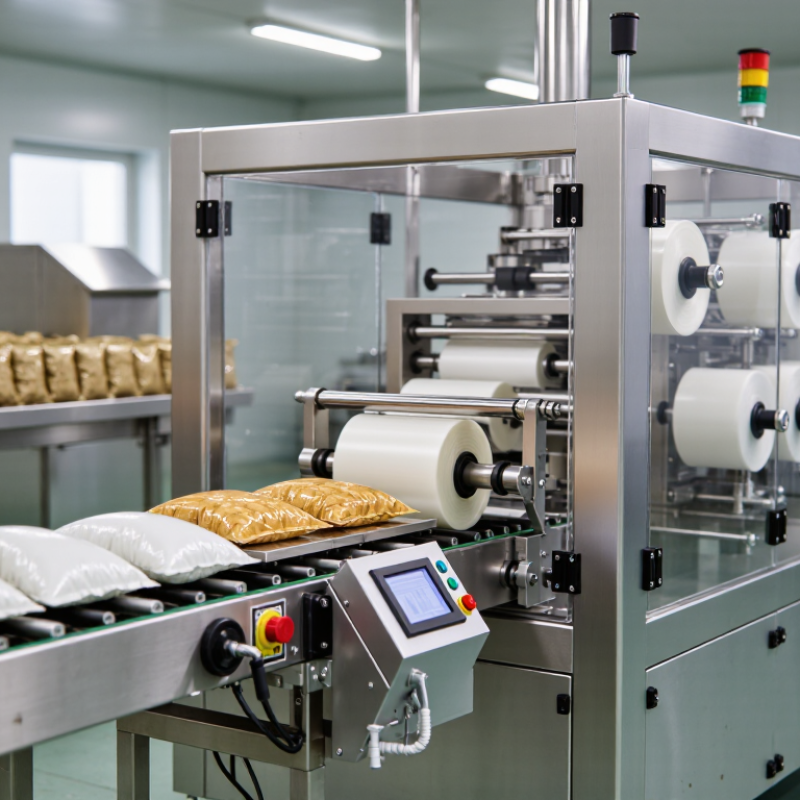
A pillow bag packaging machine forms a flexible film roll into a tube, fills it with product, and seals the edges. In many vertical systems, film passes over a forming shoulder before a lengthwise seal closes the tube. Sealing jaws then create cross-seals, separating each pack into a familiar pillow shape. The machine may use a measured weighing system or another dosing device, depending on the product.
These machines commonly package dry foods, powders, small household items, and other products suited to flexible film. The right setup depends on product size, flow, fragility, and target pack weight. A crisp snack may need gentle handling, while a free-flowing grain can require accurate, repeatable dosing. Film thickness and seal temperature matter too.
A small wrinkle matters. It can weaken a seal or spoil the pack’s appearance.
Operators should check sealing quality, fill accuracy, and film tracking during production, not only at startup. No single machine suits every product, and real packaging trials can reveal problems that a specification sheet misses.
A pillow bag packaging machine converts a flat roll of film into a sealed, filled pouch. The film unwinds over rollers and passes around a forming collar, which shapes it into a tube. Its edges meet and are sealed lengthwise. A measured portion of product then drops through the tube. The machine’s settings depend on the film, bag dimensions, and product flow.
Next, heated cross-sealing jaws close across the film to form the bag’s top and the next bag’s bottom. A cutter separates the finished pouch. Sensors can track printed marks, helping the machine cut at the intended position. Some systems use weighing units; others rely on volumetric dosing. Small changes in temperature or film tension can affect seals, so test runs matter. It is not always as simple as setting a speed and walking away.
Tips: Match the dosing method to your product, and check seal strength on actual samples. Watch for wrinkles, leaks, or uneven fills during a trial. Ask how quickly operators can adjust film tension and sealing temperature. Real production conditions can be messier than a clean demo.
2026 Best Pillow Bag Packaging Machine to Buy? — How Does a Pillow Bag Packaging Machine Work?
| Machine Option | How It Works | Best-Suited Products | Advantages | Considerations Before Buying |
|---|---|---|---|---|
| Intermittent-motion horizontal flow wrapper | The product is fed onto the film. The film is formed into a tube around it, a longitudinal fin or lap seal is made, and end jaws seal and cut each pack while the film pauses. | Products with regular spacing or shorter production runs, including bars, bakery items, hardware, and other individual products. | Can provide controlled sealing time and is often suitable where pack size or production requirements change frequently. | Confirm the required output with the intended product and film. Check changeover time, available sealing-jaw styles, and whether product feeding is manual or automatic. |
| Continuous-motion horizontal flow wrapper | The film moves continuously as the machine forms the tube and makes the longitudinal seal. Rotary end-sealing jaws create and cut the end seals without stopping the film. | Consistent, high-volume runs of regularly presented products, such as confectionery, bakery goods, and consumer products. | Continuous film movement can support higher production rates when product feeding, sealing, and pack spacing are well matched. | Ask for a demonstrated speed using the actual product, pack length, and film. Verify that the feeder can maintain consistent spacing at the target rate. |
| Box-motion horizontal flow wrapper | Sealing jaws travel with the moving film during the sealing cycle, creating a longer sealing dwell before the jaws return for the next pack. | Products or packaging materials that need additional sealing time, including some thicker or more challenging heat-sealable films. | The longer jaw contact can help produce consistent seals in applications where a short rotary-jaw contact time is insufficient. | Confirm compatibility with the specific film structure and seal requirements. Check machine footprint, maintenance access, and the available product-size range. |
| Flow wrapper with modified-atmosphere packaging (MAP) | After the product is enclosed in the film tube, the machine replaces some of the air inside the pack with a specified gas mixture before making gas-tight seals. | Selected foods for which a controlled internal atmosphere is part of the validated preservation and packaging process. | Can help achieve a specified package atmosphere when the product, gas mixture, film barrier, and seals are properly matched. | Check gas-flushing equipment, gas consumption, residual-oxygen requirements, film barrier properties, and seal-integrity testing. MAP does not replace food-safety controls. |
| Standard pillow-pack sealing sequence | 1. Feed and space the product. 2. Unwind and guide the packaging film. 3. Form the film around the product. 4. Make the longitudinal fin or lap seal. 5. Seal and cut the transverse ends. | Products that can be conveyed and wrapped individually or in defined groups. | Produces a sealed pack with a longitudinal seam and two end seals; the exact pack appearance depends on the film and machine setup. | Check product dimensions, pack length, film width and material, seal temperature and pressure settings, date-coding needs, and whether the product requires special handling. |
| Practical buying checks | Compare the machine’s feeding, film-forming, sealing, cutting, and control systems against the intended product and packaging specification. | Any buyer selecting a machine for a new line, a replacement, or a change in product or packaging material. | A product-and-film trial can reveal sealing, feeding, and changeover issues before purchase. | Request a trial with production-representative products and film. Confirm achievable output, seal quality, changeover procedure, cleaning requirements, operator training, spare-parts availability, and service support. |
| Note: The best machine depends on product dimensions and fragility, required output, film and seal specifications, and line layout. Actual speed and performance vary by application; verify them with a product trial rather than relying only on a general machine rating. | ||||
In 2026, pillow-bag machines generally fall into vertical and horizontal form-fill-seal systems. Vertical form-fill-seal machines make bags from a roll of film, fill them from above, and seal them below. Intermittent-motion models pause during sealing and suit products needing careful handling or precise filling. Continuous-motion models keep the film moving, supporting faster output when products and pack sizes remain consistent. Product contact matters. Loose snacks, powders, and small hardware each need different feeding and dosing equipment.
Horizontal flow wrappers form pillow bags around products moving along a conveyor. They are common for bars, bakery items, and other pieces that need controlled placement. Some lines add multiple lanes for small products. Yet faster is not always better: film tension, product shape, and seal temperature can cause wrinkles or weak seals. Compare actual sample packs, changeover time, and cleaning access before choosing a machine type.
When comparing pillow bag packaging machines, start with the product and film, not the advertised speed. A machine should form consistent bags around your actual product, whether it is light, dusty, fragile, or irregular. Ask for a trial using your film roll and typical product. Watch the seals closely. They should remain even, without wrinkles or product trapped in the sealing area.
Check the adjustment range and changeover time if your team runs several bag sizes. Clear controls, accessible film paths, and guarded moving parts make daily operation easier. A fast machine can still be the wrong machine. Confirm rated output under realistic conditions, including loading, film changes, and routine cleaning. Test it in production. A short showroom run may hide feeding issues that appear after hours of operation.
Reliability depends on more than the frame and motor. Ask how wear parts are replaced, what troubleshooting information is supplied, and how quickly technical help is available. Measure the installation space, including room for operators to load film and maintain the sealing jaws. Energy use and compressed-air needs may affect operating costs. One detail is easy to overlook: a compact unit can feel cramped after a full shift. Compare sample bags, not just specification sheets, and record any seal or feeding problems during the test.
Compare pillow bag packaging machines against the product you will actually run, not a catalogue sample. Measure the product’s length, width, height, and weight, including normal variation between batches. Check whether the machine can form bags that fit without crushing soft goods or leaving excess film around compact items. Film type matters too. Ask for a trial using your intended material, seal style, and printed film, if applicable. Watch the seals closely for wrinkles, gaps, or trapped product.
Then compare output under realistic conditions. A quoted speed may not reflect time spent loading, adjusting, or clearing jams. Run a real test. Record good packs per minute, film waste, and how often an operator must intervene. Check changeover time if you switch product sizes during a shift. Also inspect the controls, cleaning access, spare-part availability, and training requirements. Small details matter. A machine that runs fast but needs constant attention may slow the whole line. One awkward point: trial results can look better than everyday production, especially with an experienced technician present. Ask your team to repeat the test, then compare results across several runs and operators.
It forms flexible film into a tube, fills it, and seals the edges. Cross-seals separate each pack.
They commonly handle dry foods, powders, and small household items. Product size and fragility affect the setup.
Measure product length, width, height, and weight, including normal batch variation. Test bags for a snug fit without crushing soft goods.
Film type, thickness, and seal temperature can affect pack quality. Watch for wrinkles, gaps, or trapped product. Small flaws matter.
Run the machine under realistic conditions. Record good packs per minute, film waste, jams, and operator interventions.
Check fill accuracy, film tracking, and seal quality throughout the run. A startup check alone may miss later problems.
Time product-size changes and inspect cleaning access, controls, spare-part availability, and training needs. Small details add up.
Not always. An experienced technician may make a trial look smoother than routine production. Repeat tests with different operators; results can still vary.
A Pillow Bag Packaging Machine forms flexible packaging film into a tube, fills it with a measured product, and seals it into individual pillow-shaped bags. Depending on the model and packaging material, the machine may handle steps such as film feeding, bag forming, product dosing, sealing, and cutting in a continuous sequence. Understanding this process helps buyers assess how a machine could fit into an existing production line.
In 2026, available options may differ in operating style, automation level, bag size range, and compatibility with particular products and films. When comparing machines, consider your product’s characteristics, required output, package dimensions, changeover needs, available floor space, and ease of operation and maintenance. Also review how accurately the system doses and seals, and whether its capacity matches realistic production goals. The best choice is not simply the machine with the most features, but one that reliably meets your packaging requirements and can support your planned workflow.