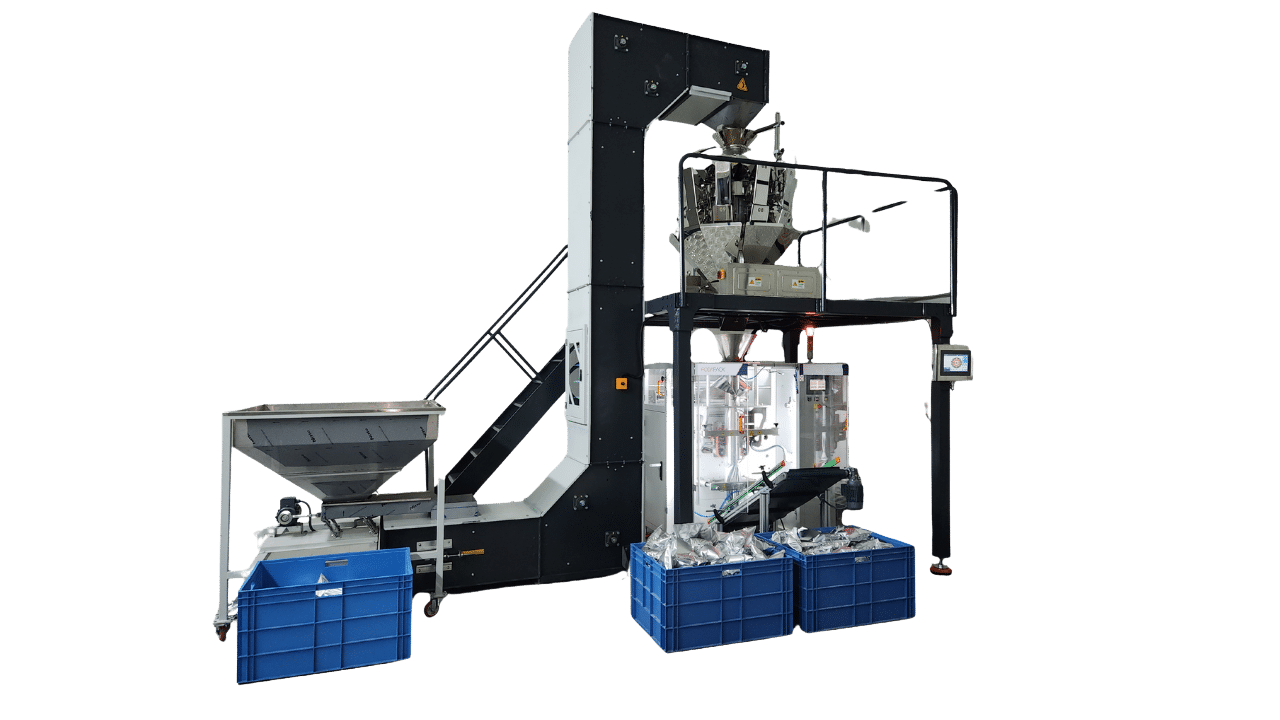
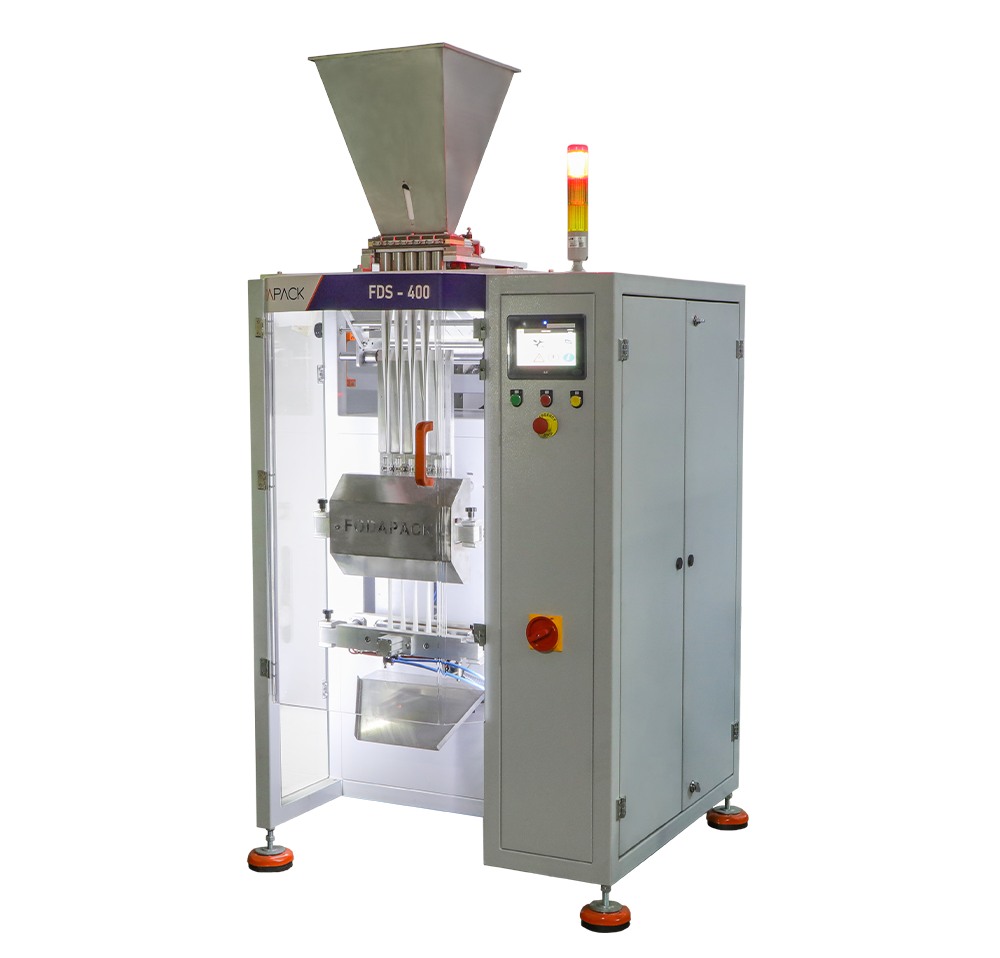
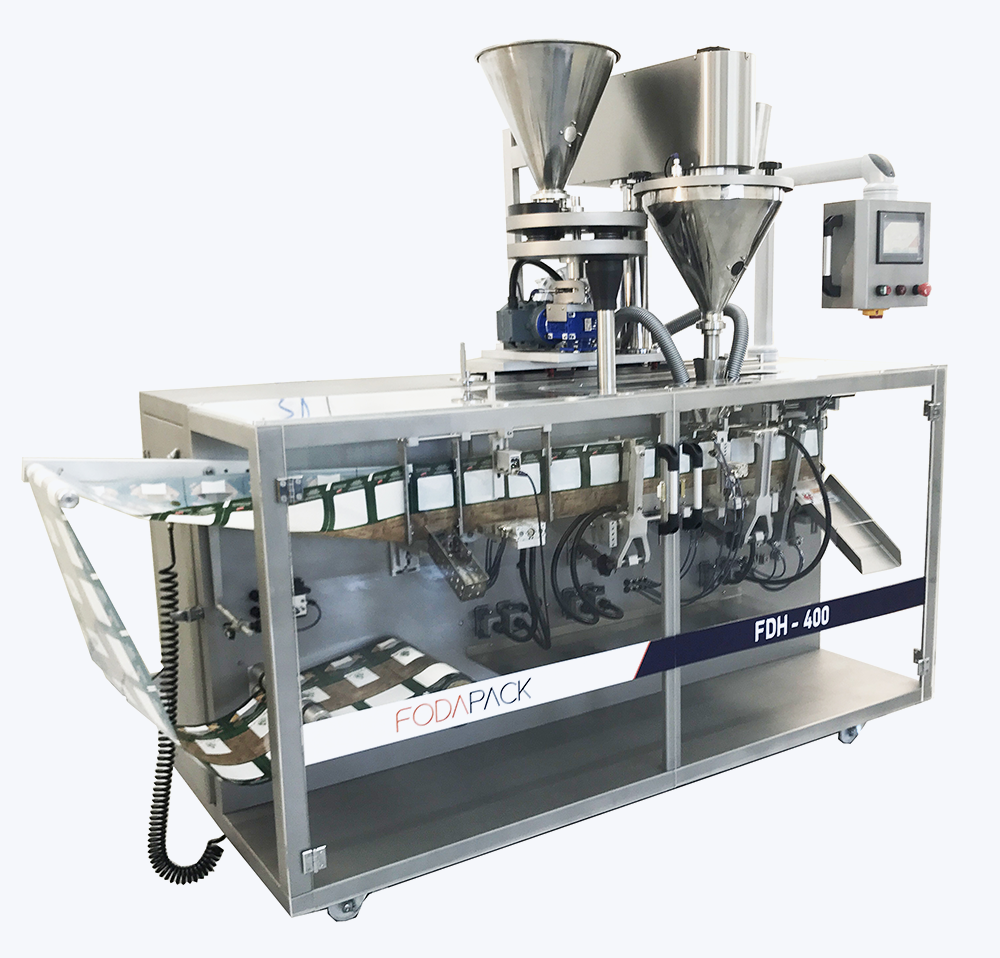
Choosing the best Coffee Bean Packaging Machine in 2026 depends on your beans, bag sizes, and daily production—not just the fastest number on a sales sheet. A small roastery filling 250-gram pouches has different needs from a factory packing larger retail volumes. Freshly roasted beans also release carbon dioxide, so valve compatibility, gentle product handling, and a dependable heat seal deserve close attention. Small details matter.
This guide compares common machine types, weighing systems, filling accuracy, operating speed, and changeover time. It also considers practical features such as bag support, cleaning access, and how easily operators can adjust settings for different formats. Ask suppliers to test the machine with your own beans and packaging materials; published capacity may not reflect real production conditions. Check warranty terms and access to spare parts, too. These points can affect downtime long after installation.
There is no perfect machine. A highly automated line may reduce manual work, but it can cost more and require specialist maintenance. A simpler model may suit a growing business, yet slow down when orders rise. Even a careful comparison has limits: roast profile, bean size, and operator experience can change results. The goal is not to find one universal winner, but to identify a machine that protects product quality and fits your actual workflow. Some uncertainty remains. That is worth admitting.
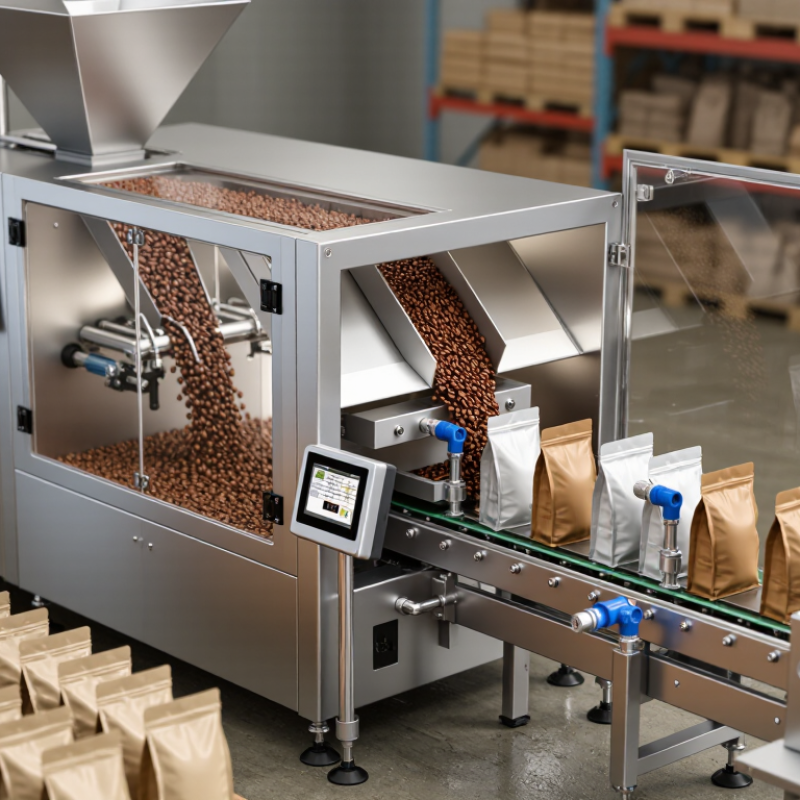
Define the 2026 Market Need: NCA Reports 66% of U.S. Adults Drink Coffee Daily
The National Coffee Association reports that 66% of U.S. adults drink coffee daily. That figure points to a large, steady audience, but it does not reveal which bag size or format people prefer. Daily habits still create a clear packaging challenge: roasted beans need protection from air, moisture, and handling. Small seal flaws matter.
For 2026, the best coffee bean packaging machine is the one that fits a roaster’s actual output and product range. Look for consistent weighing, reliable heat seals, and changeovers that do not consume half a shift. A one-way degassing valve may suit freshly roasted beans, while clear date coding helps buyers judge freshness. Useful features. Still, extra automation is not automatically better if operators struggle to clean or maintain the equipment.
The NCA statistic describes coffee consumption, not packaging-machine demand, so it should guide planning rather than dictate a purchase. Compare machines using real beans and the bags you expect to sell. Check fill accuracy across several runs, inspect seals, and ask how quickly common parts can be serviced. A faster line can look impressive in a demonstration. It may be less useful when a small team faces frequent product changes or inconsistent bag supply. The overlooked detail may be the simplest one: whether the machine works smoothly on an ordinary Tuesday.
Compare VFFS, Premade-Pouch, and Valve-Bag Machine Designs
What Is the Best Coffee Bean Packaging Machine in 2026?
VFFS machines form bags from a film roll, fill them, and seal them in one continuous process. They suit steady production runs and can reduce handling between steps. Standard setups often make pillow or gusset bags; adding a degassing valve may require extra equipment. Check the film structure and sealing area before choosing. A beautiful sample bag is not proof of a reliable production run.
Premade-pouch machines fill bags that arrive already shaped. They offer flexibility across stand-up, flat-bottom, and zipper pouches, depending on the machine and pouch design. This can work well for frequent product or format changes, though pouch loading may limit speed. Watch a changeover closely. A few minutes per switch can add up.
Valve-bag machines are built to fill bags fitted with one-way valves, which release gas from freshly roasted beans while limiting air entry. They may be the direct choice when valve bags are central to your packaging plan. Compare fill accuracy, dust control, bag clamping, and how easily operators can clean the filling area. The best fit depends on bag style, output, and changeover needs—not a headline speed alone. I would still test your own beans and bags; fine details can change how smoothly the line runs.
Match Rated Bags per Minute to Bag Size, SKU Mix, and Production Volume
The best coffee bean packaging machine is not simply the one with the highest rated bags per minute. Match its tested speed to your bag size, closure, and SKU mix. A 250-gram flat-bottom bag may run differently from a one-kilogram pouch with a zipper and degassing valve. Ask suppliers to test your actual bags and beans; published speed alone can hide changeover time and rejected seals.
Plan from good bags per shift, then account for cleaning, refills, and format changes. For example, 3,000 saleable bags in an eight-hour shift means 6.25 good bags per scheduled minute. At 70% effective uptime, the line needs roughly 9 rated bags per minute to meet that target. Treat this as a planning estimate, not a guarantee. Speed is not capacity.
SKU planning matters. Frequent changes between bag sizes can reduce output even when the machine runs quickly. The National Coffee Association’s 2024 National Coffee Data Trends report found that 67% of U.S. adults drank coffee in the past day, while the International Coffee Organization estimated 2023/24 global consumption at about 177 million 60-kilogram bags. These figures signal a large, varied market, not a production-speed benchmark. A tidy spreadsheet still misses real stoppages. Track changeover minutes and saleable output across several shifts, then choose a rated speed with modest headroom.
What Is the Best Coffee Bean Packaging Machine in 2026? — Match Rated Bags per Minute to Bag Size, SKU Mix, and Production Volume
Planning estimates for whole-bean coffee. Shift output assumes an 8-hour shift and 80% operating efficiency; actual rates vary with product, bag construction, filling accuracy, and changeovers.
| Production profile |
Typical bag size and format |
SKU mix |
Indicative rated speed |
Practical planning speed |
Estimated bags per 8-hour shift |
Best-fit machine setup |
| Small batch / specialty |
100–250 g; premade stand-up or flat-bottom pouch |
Many SKUs; frequent changeovers |
20–40 bags/min |
16–32 bags/min |
6,100–12,300 |
Flexible premade-pouch filler with quick size adjustment and recipe storage |
| Growing roastery |
250–500 g; premade pouch, often with a one-way degassing valve |
Several core SKUs; moderate changeovers |
30–60 bags/min |
24–48 bags/min |
9,200–18,400 |
Premade-pouch system; confirm pouch opening, valve position, and zipper handling |
| Mid-volume production |
250–1,000 g; premade stand-up or flat-bottom pouch |
A few high-volume SKUs; longer runs |
50–100 bags/min |
40–80 bags/min |
15,400–30,700 |
Multi-lane or faster premade-pouch line, subject to bag dimensions and sealing time |
| High-volume, standard bags |
100–500 g; rollstock pillow or gusseted bag |
One or two dominant SKUs; long production runs |
100–200 bags/min |
80–160 bags/min |
30,700–61,400 |
Vertical form-fill-seal line; check whether valve application is needed and included |
| Large-format or food-service |
1–5 kg; premade pouch or larger rollstock bag |
Limited SKUs; weight and bag handling are priorities |
8–25 bags/min |
6–20 bags/min |
2,300–7,700 |
Heavy-duty filler with an appropriately sized weighing system and supported bag clamp |
Use rated speed as a comparison point, not a guaranteed output. Ask for a product test using the intended coffee, target weight, bag material, valve, zipper, and seal specification. For mixed-SKU shifts, allow additional time for changeovers, cleaning, and start-up checks.
Assess Freshness Controls: Degassing Valves, Nitrogen Flush, and Oxygen Levels
What Is the Best Coffee Bean Packaging Machine in 2026?
Freshness depends on more than a one-way valve. Roasted beans release carbon dioxide after packing, and pressure can swell a pouch or stress its seal. A degassing valve lets gas escape while limiting air entry. But it cannot remove oxygen already trapped in the bag. For that, assess the machine’s nitrogen-flush performance and verify residual oxygen with a headspace analyzer. A practical commissioning target is below 2% residual oxygen; treat it as a validation goal, not a universal guarantee. Measure freshly sealed packs and again after storage. The reading can shift as beans continue to degas.
The USDA Foreign Agricultural Service’s 2024 Coffee: World Markets and Trade report estimated 2024/25 global production at 174.9 million 60-kilogram bags. At that scale, small packaging losses can matter. Still, throughput should not outrank freshness controls. Ask suppliers for test results using your actual roast, grind size, fill weight, and pouch material. I would not trust the machine display alone. Check seals, valve placement, and oxygen readings from multiple bags. One awkward detail: darker roasts often release gas faster, so a setting that works for one batch may fail on another. Run trials after changing roast profiles, and record the results. A valve is not a freshness plan.
Coffee Packaging Freshness: Residual Oxygen After Sealing
Lower residual oxygen can help slow oxidation. A one-way degassing valve releases carbon dioxide; it does not remove oxygen from the package.
Illustrative values: air contains about 20.9% oxygen; the other figures show example outcomes or targets, not guaranteed machine performance. Actual results depend on the product, package, filling process, and measurement method. Nitrogen flushing with a degassing valve is commonly used to reduce oxygen while allowing carbon dioxide to escape.
Check Food-Contact Compliance, Changeover Time, and Total Cost of Ownership
What Is the Best Coffee Bean Packaging Machine in 2026?
The best coffee bean packaging machine is the one that fits your product, pouch format, and production pace. Check that product-contact surfaces and seals meet the food-contact requirements applicable to your market. Ask for material specifications and supplier declarations, then have qualified staff review them. A polished brochure is not proof. Request a sample run using your actual beans and packaging film.
Changeover time can quietly reduce output. Time a switch between pouch sizes, including film threading, settings, and first acceptable packs. A machine that changes over quickly may help a roastery running several small batches each day. Still, ask operators to repeat the test; one smooth demonstration may not reflect a busy shift.
Tips: Compare total cost of ownership over a realistic period. Include purchase price, installation, training, spare parts, cleaning time, energy, and expected downtime. Ask which components need routine replacement and how quickly support is available. Put estimates in writing. The spreadsheet may miss a few costs, so leave room for uncertainty.
Conclusion
Choosing the best Coffee Bean Packaging Machine in 2026 starts with understanding demand: with 66% of U.S. adults drinking coffee daily, producers need packaging that protects freshness while keeping output consistent. The right system depends on the product range and operating goals. Vertical form-fill-seal machines may suit high-volume runs, while premade-pouch and valve-bag systems can offer flexibility for varied formats and roasted beans that need to release gas.
Compare rated bags per minute with actual bag sizes, SKU variety, and production volume rather than relying on headline speed alone. Also assess freshness controls, including degassing valves, nitrogen flushing, and the oxygen levels the process can maintain. Food-contact suitability, straightforward changeovers, and total cost of ownership matter just as much as initial capacity. A balanced evaluation helps identify equipment that fits current production needs and can adapt as demand or product mix changes.